Yahuah's Farm
Angelica (Official)
Angelica (Official)
Couldn't load pickup availability
🌿 Angelica (Angelica archangelica) — Organic Seeds
🌱 Seed Quality Promise
All seeds sold by Yahuah’s Farm are 100% organic, non-GMO, and never chemically treated or coated.
We do not sell pelleted, dyed, chemically enhanced, or synthetic-treated seeds.
What you plant should be as pure as the medicine it becomes.
About Angelica
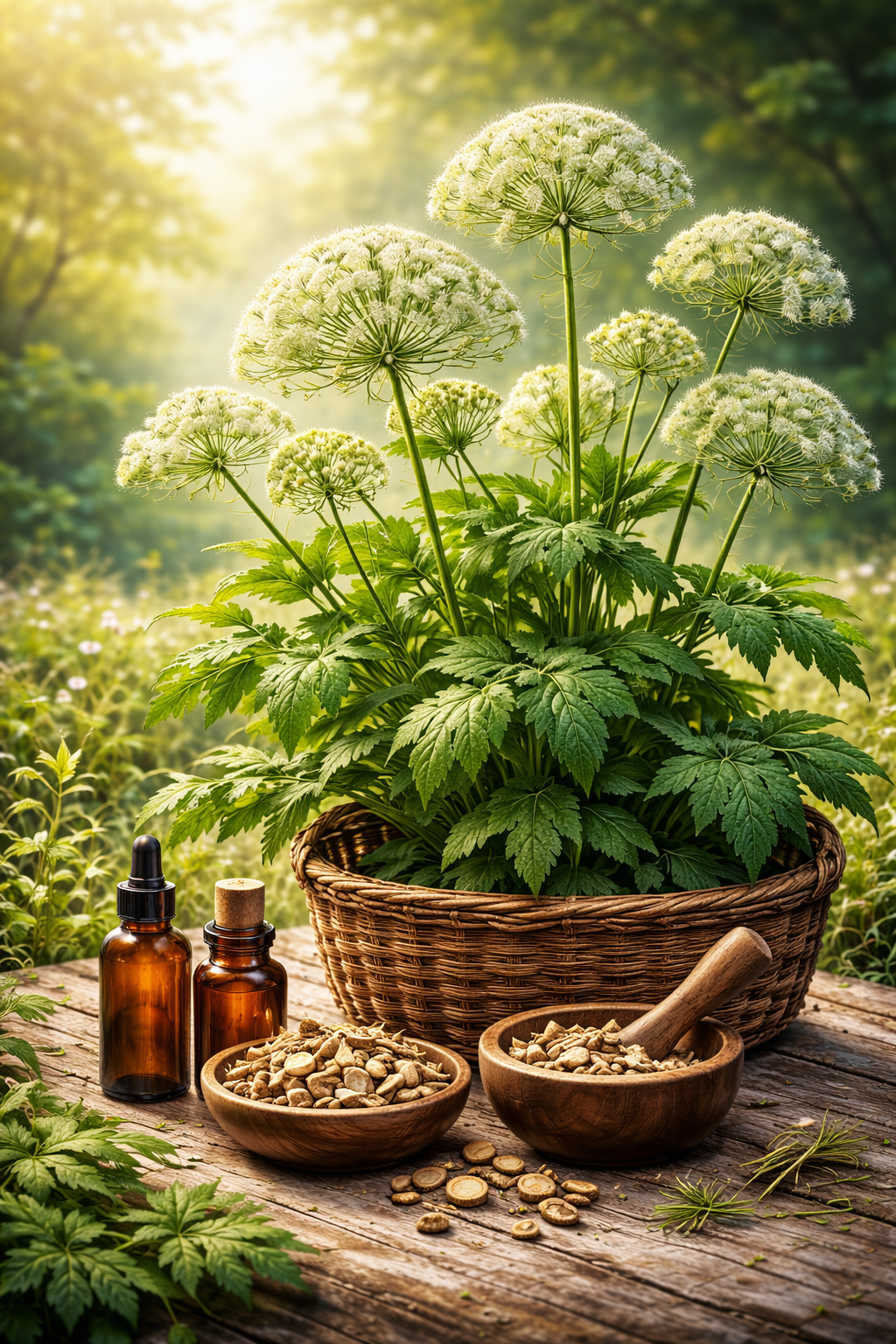
Angelica is a majestic, aromatic biennial herb long treasured across Europe and Asia for its medicinal roots, stems, leaves, and seeds. Known for its tall, umbrella-like flowers and sweet, musky fragrance, Angelica has been used for centuries as a digestive tonic, respiratory supporter, circulatory herb, and overall strengthening plant.
This is a true legacy herb — one that once grew in monastery gardens, apothecaries, and healing farms, valued not only for its medicine but for its beauty and presence in the garden.
Traditional & Herbal Uses
Angelica has been traditionally used as:
• A digestive tonic
• A warming circulatory herb
• A respiratory supporter
• A bitter-sweet aromatic
• A general strengthening plant
• A calming nervine
• A seasonal wellness herb
• A flavoring herb in teas, cordials, and traditional recipes
Every part of the plant has been used historically — especially the root, which is highly aromatic and resinous.
Plant Characteristics
Botanical Name: Angelica archangelica
Common Name: Angelica, Garden Angelica
Life Cycle: Biennial (sometimes short-lived perennial)
Growth Habit: Upright, tall, branching
Mature Height: 4–6 feet
Mature Width: 2–3 feet
Flower Type: Large greenish-white umbels
Attracts: Pollinators, beneficial insects
Angelica is a dramatic and beautiful plant that becomes a focal point in any medicinal or cottage-style garden.
Growing Angelica from Seed
Angelica seed is unique and requires specific conditions to germinate well. Freshness and proper technique are important.
Germination Type
Angelica seeds need cold stratification to break dormancy.
This mimics winter conditions and tells the seed when to sprout.
How to Germinate Angelica Seeds
Method 1: Natural Stratification (Easiest)
-
Sow seeds outdoors in fall or early winter.
-
Lightly press seeds into the soil — do not bury deeply.
-
Allow winter temperatures to naturally stratify the seeds.
-
Seeds will sprout in spring.
Method 2: Indoor Stratification
-
Place seeds in a damp paper towel or soil medium.
-
Seal in a bag or container.
-
Refrigerate for 4–6 weeks.
-
After chilling, surface sow into seed trays.
-
Keep moist and cool.
Light Requirements
Angelica seeds need light to germinate.
Press into soil but do not cover.
Germination Time
• 14–30 days
• Can be irregular and staggered
• Patience is important
Ideal Growing Conditions
USDA Zones
Zones 4–9
Angelica thrives in cooler climates and struggles in extreme heat.
Sun
• Partial shade is ideal
• Tolerates full sun in cool climates
• Protect from harsh afternoon sun in hot regions
Soil
• Rich
• Moist
• Well-draining
• High organic matter
Angelica loves fertile soil. Compost-rich beds are ideal.
Water
Angelica prefers consistent moisture.
• Do not allow soil to dry completely
• Mulch helps retain moisture
• Avoid waterlogging
Spacing
• Space plants 24–36 inches apart
• Needs room for its large root system and canopy
Growth Timeline
Year 1:
• Leaf growth
• Root development
• No flowering
Year 2:
• Tall flowering stalk
• Umbel blooms
• Seed production
• Plant typically completes its life cycle
Harvesting
Roots
Traditionally harvested in the first year or early second year before flowering.
Leaves & Stems
Harvest anytime during the growing season.
Seeds
Harvest when umbels dry and turn brown.
Seed Saving
Angelica readily self-seeds.
To save seed:
-
Allow flower heads to dry on the plant.
-
Cut and hang upside down in a paper bag.
-
Shake out seeds once fully dry.
-
Store cool, dark, and dry.
Why Grow Angelica?
• A true medicinal legacy herb
• Tall, striking garden presence
• Highly aromatic
• Pollinator friendly
• Multi-use plant (root, leaf, stem, seed)
• Rare in modern gardens
• Deep historical importance
Share