Yahuah's Farm
ANNA KIWI
ANNA KIWI
Couldn't load pickup availability
Anna Kiwi (Actinidia arguta 'Anna')
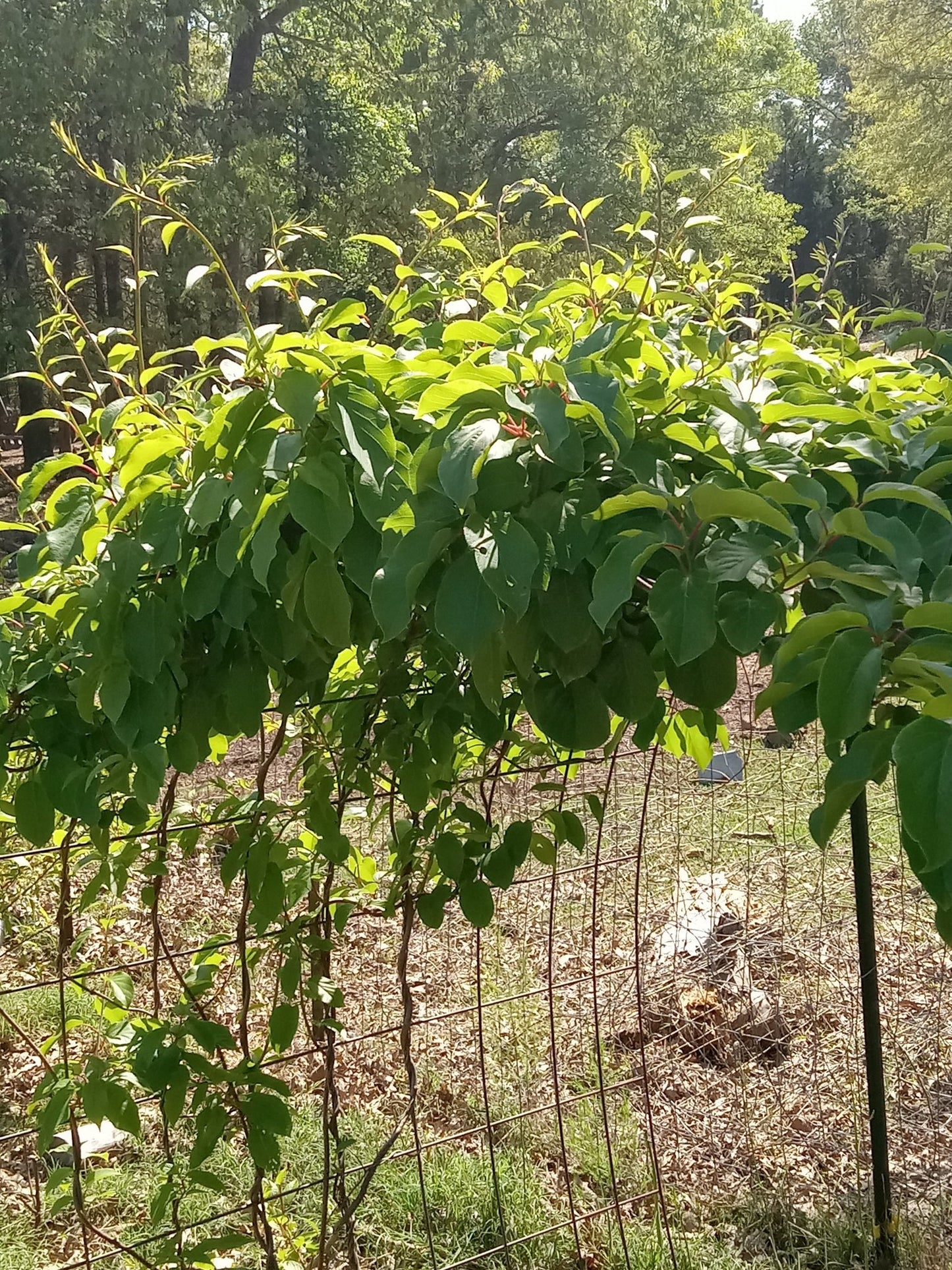
Anna Kiwi is a cold-hardy, vigorous variety of the hardy kiwi (also known as baby kiwi or kiwi berry), ideal for USDA Zones 4–9. Unlike the fuzzy supermarket kiwis, Anna produces smooth-skinned, grape-sized fruit that can be eaten whole—no peeling required. This female cultivar must be paired with a male pollinator, such as Meader or another compatible hardy kiwi, to produce fruit.
Growth Habit & Seasonal Interest
-
Vine Type: Fast-growing deciduous vine; can reach 15–25 feet in a single season with proper support.
-
Foliage: Dense green foliage that creates a lush screen; turns yellow in autumn.
-
Flowers: Small, fragrant white flowers bloom in late spring.
-
Fruit: Smooth, green fruit ripens in late summer to early fall with sweet, tropical flavor—often described as a mix between kiwi and pineapple.
Site Preferences
-
Light: Full sun for best fruiting; tolerates partial shade but may reduce yield.
-
Soil: Prefers rich, loamy, well-drained soil with good organic matter; pH 5.5–7.0.
-
Moisture: Consistent watering is important, especially during establishment and fruit development. Mulch to retain moisture and suppress weeds.
Pests & Diseases (Organic Management)
-
Generally pest-resistant. Watch for Japanese beetles or aphids in some areas. Neem oil or insecticidal soap can be used if needed.
-
Good air circulation and proper pruning help prevent fungal issues.
Benefits in the Garden
-
Edible Landscaping: Beautiful, productive vine that doubles as a privacy screen or arbor cover.
-
High Yields: Once established, Anna can produce dozens of pounds of fruit per season.
-
Cold Hardy: One of the most cold-tolerant kiwis available—perfect for Zone 7 growers.
-
Low Maintenance: Minimal pest problems and no need for synthetic fertilizers.
-
Pollinator Friendly: Spring flowers attract bees and beneficial insects.
How to Grow Anna Kiwi
-
Planting: Plant in spring after danger of frost. Use a sturdy trellis, arbor, or fence for vertical support. Space female and male plants 10–15 feet apart.
-
Soil Building: Mix aged compost into the planting hole. Mulch 2–3 inches deep with straw, leaf mold, or shredded bark.
-
Watering: Water deeply once or twice a week depending on rainfall; do not let roots dry out during fruiting.
-
Feeding: Top-dress with compost in early spring; side-dress with worm castings or compost tea mid-season to boost growth.
-
Pruning: Prune in late winter to shape and remove weak or tangled growth. Summer pruning can also help direct energy into fruit production.
-
Harvesting: Fruit ripens late August through October. Pick when soft and sweet—fruit will not ripen once off the vine if picked early.
Anna Kiwi is a beautiful and bountiful addition to any organic garden—offering lush growth, flavorful fruit, and long-term productivity with minimal input.
Share