Yahuah's Farm
Aquatic Milkweed / White Milkweed
Aquatic Milkweed / White Milkweed
Couldn't load pickup availability
Aquatic Milkweed / White Milkweed
Asclepias perennis
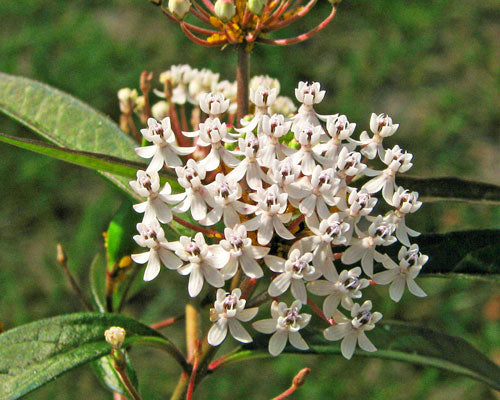
Aquatic Milkweed, also known as White Milkweed, is a beautiful native milkweed species valued for its clusters of delicate white to pale pink flowers and its importance as a host plant for monarch butterflies. This is a moisture-loving milkweed that naturally grows in wet meadows, creek edges, ditches, low areas, and other places where soil stays consistently damp. For anyone wanting to support pollinators, butterflies, and native plant life, Asclepias perennis is a wonderful addition.
Unlike some taller, rougher milkweed species, Aquatic Milkweed has a softer, cleaner appearance. It typically grows upright with narrow green leaves and produces rounded clusters of small flowers that attract butterflies, bees, and other beneficial insects. The flowers are not only beautiful, but also highly useful in a pollinator garden because they provide nectar while also supporting monarch reproduction.
The greatest value of this plant is its role in the life cycle of monarch butterflies. Monarch caterpillars depend on milkweed plants as their food source, and female monarchs seek out milkweed to lay their eggs. By planting Aquatic Milkweed, you are helping provide both nectar for adult pollinators and a host plant for caterpillars.
Aquatic Milkweed is especially useful for areas of the garden that stay moist. It can be planted near ponds, creeks, rain gardens, drainage areas, low beds, or places where many other plants may struggle from too much moisture. It prefers full sun to part sun and does best in soil that stays evenly moist, though it should not be completely dried out while establishing.
This plant is not grown as an edible plant. Like other milkweeds, it contains natural compounds that can be toxic if eaten improperly, and it should not be consumed by people, pets, or livestock. Its purpose is best appreciated as a native pollinator plant, butterfly host plant, and beneficial insect support species.
Once established, Aquatic Milkweed can be a dependable warm-season perennial in suitable conditions. It may die back in winter and return from the root system when warm weather comes back. Growth may be slower at first as the plant establishes its roots, but with steady moisture and good sunlight, it can become a valuable long-term part of a native or pollinator planting.
For best growth, plant in rich to average soil that stays consistently moist. Water regularly until established, especially during hot weather. Avoid letting the plant dry out completely during its first season. Mulch can help conserve moisture and protect the root zone, but do not bury the crown too deeply.
Shipping & Arrival Care
Your Aquatic Milkweed may look tired when it arrives in the mail. This is normal. Plants can become stressed from being boxed, shipped, and kept in the dark during transit. Some leaf yellowing, wilting, or minor stem stress can happen during shipping and does not mean the plant is dead.
Open the package right away when your plant arrives. Carefully remove the plant and check the soil moisture. If the soil feels dry, water gently and thoroughly. If the soil is already moist, wait before watering again. Because this plant enjoys moisture, do not allow it to dry out completely after arrival, but also do not leave it sitting in stagnant water inside the shipping pot.
Place the plant in full shade or bright indirect light for the first 3 days after arrival. Do not place it directly into full sun right out of the box. Direct sun too soon can burn the leaves and increase transplant shock. The shade period gives the plant time to recover from shipping stress.
After 3 days in shade, slowly begin transitioning the plant into more light. Start with morning sun only, then gradually increase sun exposure over several days. Avoid hot afternoon sun at first until the plant has fully perked back up and adjusted.
Once the plant has recovered, it can be planted into the ground or into a larger container. Choose a location with full sun to part sun and consistently moist soil. This is a great plant for rain gardens, pond edges, creekside areas, low garden spots, or beds that stay evenly watered. Water well after planting and keep the soil moist while it establishes.
Do not let the plant dry out during the first few weeks after planting. New transplants need steady moisture until their roots begin growing into the surrounding soil. If planting in a container, use a pot with drainage and keep the soil evenly moist. Containers dry faster than ground soil, so check moisture often in hot weather.
If the plant wilts after planting, keep it shaded from harsh afternoon sun and continue steady watering without flooding it. It should begin recovering as the roots settle in. Avoid fertilizing heavily right away; let the plant adjust first. After it begins pushing new growth, compost or a gentle natural fertilizer can be used if needed.
Aquatic Milkweed is a beautiful and purposeful native plant for anyone wanting to support monarch butterflies, pollinators, and beneficial insects while also adding a soft, clean flowering plant to moist garden spaces.
Share