Yahuah's Farm
Ashwagandha
Ashwagandha
Couldn't load pickup availability
Ashwagandha
Ashwagandha is a powerful and highly valued medicinal herb that has been used for generations in traditional herbal systems. Also known as “Indian Ginseng” or “Winter Cherry,” Ashwagandha is best known as an adaptogenic herb, meaning it has traditionally been used to help the body handle stress, support energy, promote calmness, and encourage overall balance.
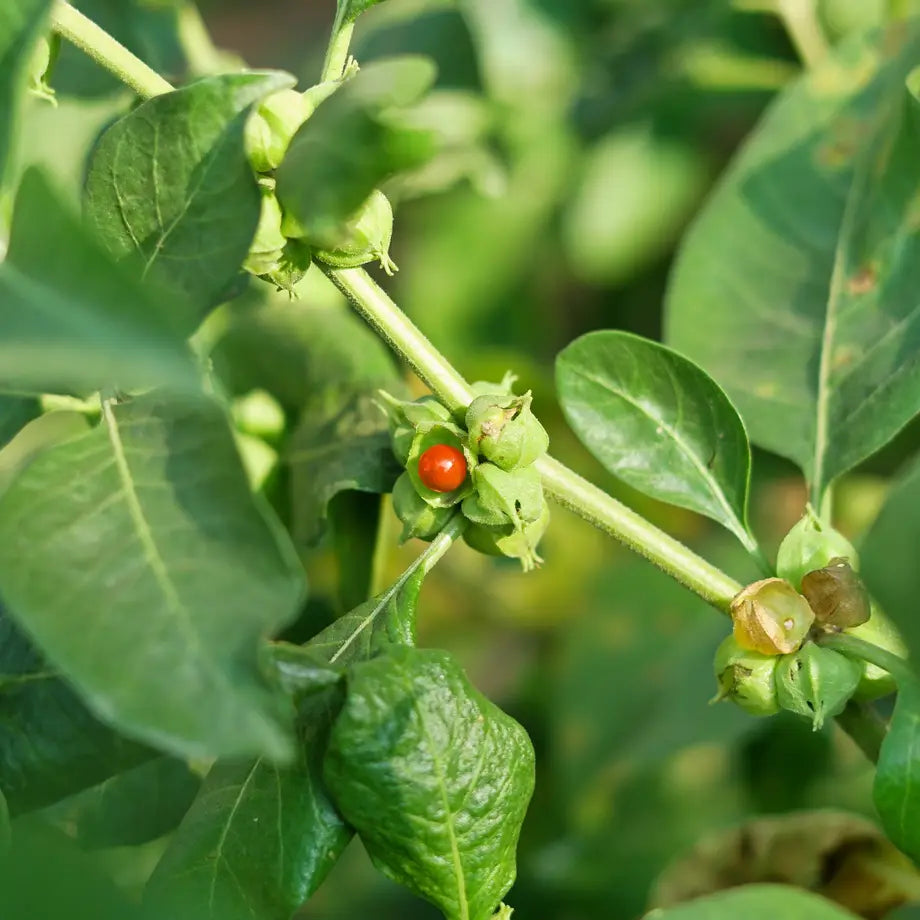
This is a wonderful plant for the homestead medicinal garden because it is both useful and easy to grow in the warm season. Ashwagandha produces small greenish flowers followed by red berry-like fruits inside papery husks. The root is the main medicinal part used, though the plant itself is also beautiful and interesting to grow.
Medicinal Properties & Traditional Uses
Ashwagandha root has traditionally been used to support the nervous system, stress response, energy levels, sleep quality, hormone balance, endurance, and general vitality. It is considered a strengthening herb and is often used when the body feels worn down, tired, overworked, or depleted.
Traditionally, Ashwagandha has been used for:
Stress support
Calming the nervous system
Adrenal support
Energy and stamina
Sleep support
Mental clarity
Mood support
Hormone and reproductive support
Muscle strength and recovery
General vitality and resilience
Ashwagandha is commonly prepared as a tea, decoction, tincture, powder, capsule, or infused into milk-based preparations. The root is usually harvested after the plant has matured and the growing season begins to end.
How to Care for Your Plant After Shipping
When your Ashwagandha arrives in the mail, open the package as soon as possible. Live plants may look tired, wilted, or stressed after shipping, especially after being in a dark box for a few days. This is normal and does not mean the plant is dead.
Carefully remove the plant from the package and check the soil moisture. If the soil is dry, water it gently. If the soil is already moist, do not overwater it. Ashwagandha does not like soggy soil.
Place the plant in a shaded, protected area for about 2 to 3 days after arrival. A covered porch, shaded greenhouse bench, or spot under a tree works well. Do not place it straight into full sun the same day it arrives. Let it recover from shipping stress first.
After a few days, slowly introduce it to more sunlight before planting it in its final location.
Planting Instructions
Ashwagandha loves warmth, sun, and well-draining soil. Plant it after danger of frost has passed and the weather has warmed. Choose a location that receives full sun if possible. It will grow best with 6 or more hours of sunlight per day.
Plant it in loose, well-drained soil. Ashwagandha does not like wet feet, heavy soggy soil, or standing water. If your soil is clay-heavy, mix in compost, aged mulch, sand, or other organic matter to improve drainage.
Dig a hole slightly larger than the root ball. Place the plant so the soil level in the pot matches the soil level in the ground. Backfill gently, press the soil around the roots, and water it in well.
For the first week or two, keep the soil lightly moist while the plant settles in. Once established, Ashwagandha is fairly drought tolerant and prefers to dry slightly between waterings.
Ongoing Care
Ashwagandha is a warm-season medicinal plant and grows best in hot weather. It does not need heavy feeding. Too much rich fertilizer can encourage leafy growth but may reduce strong root development. A moderate amount of compost is usually enough.
Water when the soil becomes dry, but avoid keeping the plant constantly wet. Good drainage is very important.
In colder zones, Ashwagandha is usually grown as an annual. It grows through the warm season, then the roots are harvested in fall before hard frost. In warmer climates, it may behave more like a short-lived perennial, but in Arkansas and similar Zone 7 areas, it is best treated as a warm-season medicinal annual.
Harvesting for Medicinal Use
The root is the main part used medicinally. For the strongest root harvest, allow the plant to grow through the full warm season. Roots are usually harvested in fall when the plant begins to slow down, yellow, or die back.
To harvest, gently dig the plant, shake off loose soil, wash the roots well, then chop and dry them for later use. The dried root can be used for teas, decoctions, tinctures, powders, or other herbal preparations.
The red berries are not the part commonly used for medicine. They are mainly for seed saving. Use caution and proper research before using any part of the plant.
Growing Summary
Ashwagandha prefers full sun, warm weather, and well-drained soil. It does best when not overwatered and does not need heavy fertilizer. In Zone 7, it is best grown as a warm-season annual and harvested for its root in the fall.
This is an excellent plant for anyone building a medicinal garden, herbal apothecary, or homestead wellness garden. It is a strong, practical, and highly respected herb with a long history of traditional use.
Share