Yahuah's Farm
Ashwagandha (African Ecotype)
Ashwagandha (African Ecotype)
Couldn't load pickup availability
🌿 Ashwagandha (Withania somnifera) — African Ecotype — Organic Seeds
Common Names: Ashwagandha, Winter Cherry, Indian Ginseng
🌱 Seed Quality Promise
All seeds sold by Yahuah’s Farm are 100% organic, non-GMO, and never chemically treated or coated.
We do not sell pelleted, dyed, chemically enhanced, or synthetic-treated seeds.
What you plant should be as pure as the medicine it becomes.
About Ashwagandha (African Ecotype)
Ashwagandha is a warm-season medicinal herb traditionally valued for its deep, nourishing root and its long history of use as a strengthening, balancing, and resilience-building plant. The African ecotype is especially prized for its heat tolerance, vigorous growth, and strong root development, making it well-suited for warmer climates and longer growing seasons.
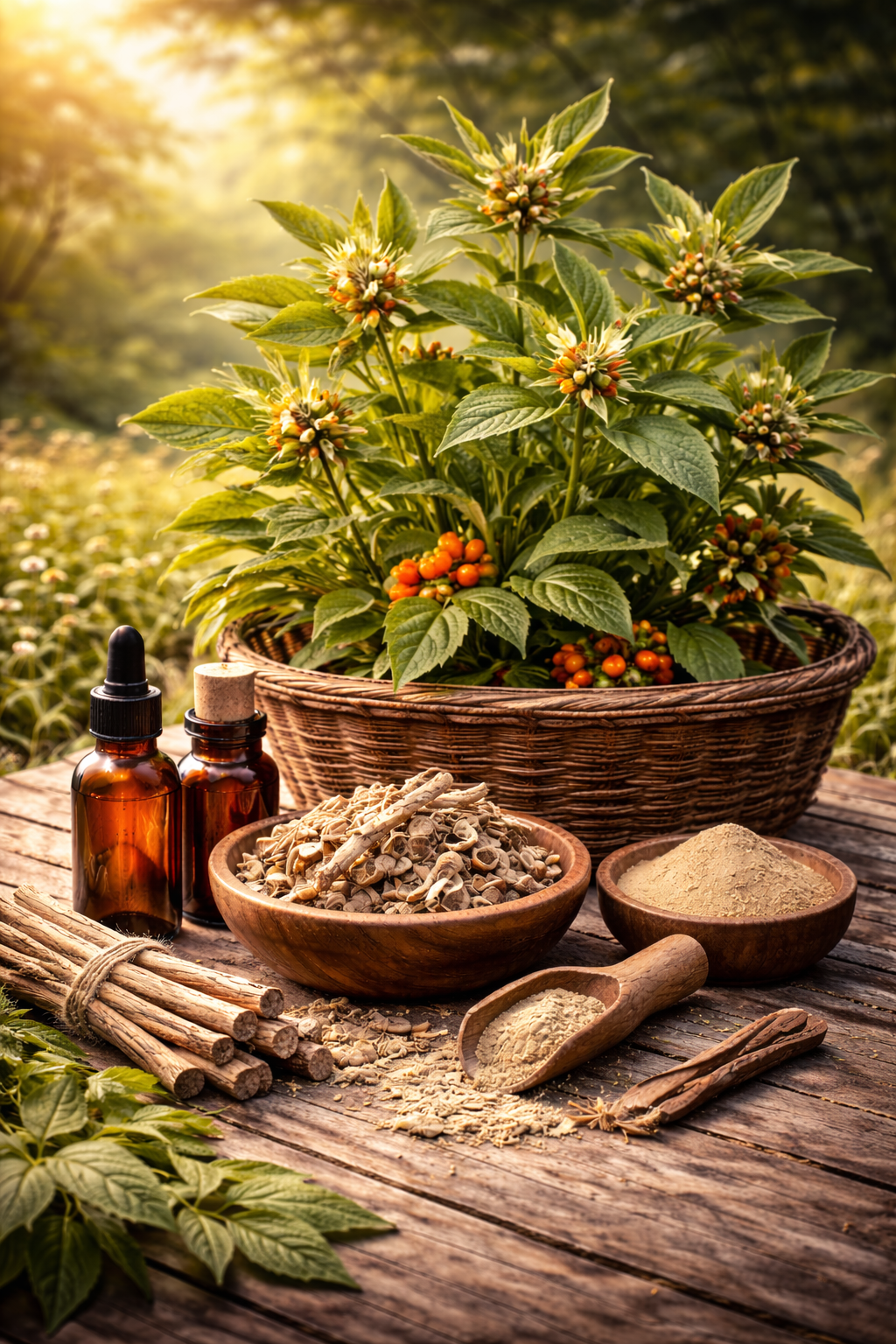
This is a true root medicine — grown with patience, harvested with intention, and treasured for its depth of character. The plant produces soft green leaves, small star-shaped flowers, and bright red berries enclosed in papery husks.
Traditional & Herbal Uses
Ashwagandha has been traditionally used as:
• A strengthening root tonic
• A grounding, stabilizing herb
• A traditional vitality plant
• A nourishing adaptogenic-style herb
• A restorative root
• A warming botanical
• A traditional longevity herb
• A resilience-supporting plant
The root is the primary medicinal part, though leaves and berries have also been used traditionally in some systems.
Plant Characteristics
Botanical Name: Withania somnifera
Common Name: Ashwagandha
Ecotype: African
Life Cycle: Perennial in warm climates; grown as an annual in cold regions
Growth Habit: Bushy, branching
Mature Height: 18–36 inches
Mature Width: 18–24 inches
Flower Type: Small greenish-yellow
Fruit: Red berries enclosed in husks
Attracts: Pollinators
Ashwagandha has a gentle, natural look and fits beautifully into medicinal gardens and permaculture beds.
Growing Ashwagandha from Seed
Ashwagandha is a warm-season plant that thrives in heat, sun, and well-draining soil. It is relatively easy to grow when given the right conditions.
How to Germinate Ashwagandha Seeds
Indoor Starting (Recommended in Short Seasons)
-
Start seeds 6–8 weeks before last frost.
-
Lightly press seeds into the soil.
-
Cover with a very thin layer of soil.
-
Keep warm and consistently moist.
-
Place in bright light.
Outdoor Direct Sowing
-
Sow only after danger of frost has passed.
-
Soil must be warm.
-
Keep moist until established.
Light Requirements
Seeds germinate best with light exposure.
Do not bury deeply.
Germination Time
• 10–21 days
• Can be staggered
Ideal Growing Conditions
USDA Zones
Zones 7–11 (perennial in warm regions; annual elsewhere)
Sun
• Full sun preferred
• At least 6–8 hours of direct sunlight
Soil
• Well-draining
• Sandy or loamy
• Low to moderate fertility
• Slightly alkaline to neutral
Avoid heavy, waterlogged, or overly rich soils.
Water
• Moderate water
• Drought tolerant once established
• Avoid soggy soil
Ashwagandha prefers drier conditions than most herbs.
Spacing
• Space plants 18–24 inches apart
• Needs room for root development
Growth Timeline
Weeks 1–4:
• Seedling establishment
Months 2–4:
• Vegetative growth
• Branching
Months 4–6:
• Flowering
• Berry formation
• Root bulking
Harvesting
Roots
Harvest after 120–180 days, once plant matures and berries begin forming.
-
Gently loosen soil.
-
Pull entire plant.
-
Wash roots.
-
Slice and dry thoroughly.
Leaves
Can be harvested lightly throughout the season.
Seed Saving
-
Allow berries to fully ripen to red.
-
Harvest and dry.
-
Crush berries gently to release seeds.
-
Store cool, dark, and dry.
Why Grow Ashwagandha?
• One of the most famous medicinal roots in the world
• Heat tolerant
• Drought tolerant
• Excellent for warm climates
• Easy to grow
• Strong root development
• Perfect for medicinal gardens
• Beautiful, subtle presence
• Long storage root
Share