Yahuah's Farm
Aurora Honeyberry
Aurora Honeyberry
Couldn't load pickup availability
Aurora Honeyberry
Lonicera caerulea ‘Aurora’
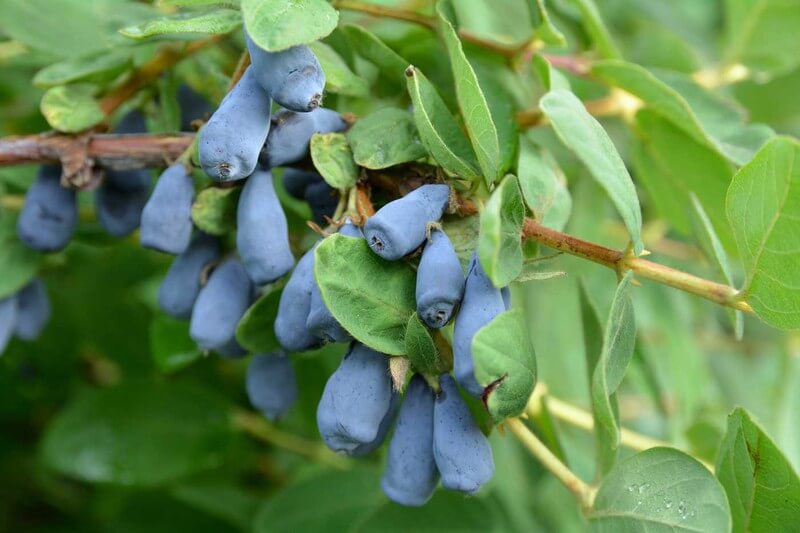
Aurora Honeyberry is one of the most exciting early-season berries you can grow. Also known as Haskap, this hardy fruiting shrub produces beautiful deep-blue berries with a sweet-tart flavor that many describe as a mix between blueberry, raspberry, and grape. Aurora is especially loved because its berries are larger and sweeter than many older honeyberry varieties, with a unique pointed pear-like shape. It was introduced through the University of Saskatchewan breeding program and is known for being productive, cold hardy, and a strong choice for home growers.
Honeyberries are one of the first fruits of the season, often ripening before many blueberries. The berries can be eaten fresh, frozen, made into jams, syrups, pies, juices, wine, or added to smoothies and baked goods. They are rich, flavorful, and treasured by gardeners because they bring fruit early in the year when most berry plants are still just getting started.
Aurora grows as an upright fruiting shrub, commonly reaching around 5–7 feet tall with good care. It prefers full sun to part shade and well-drained soil that stays evenly moist. Honeyberries are very cold hardy and can handle harsh winters, but they also grow well in many home orchards, food forests, and homestead berry rows.
Aurora does best with a compatible honeyberry planted nearby for pollination. For best fruit production, plant it with another variety that blooms at the same time, such as Honey Bee, Borealis, Tundra, or Indigo Gem. The University of Saskatchewan notes that Aurora and Honey Bee are very productive together and are good cross-pollination partners.
Shipped Bare Root
This plant is shipped bare root, meaning it will arrive dormant without soil around the roots. This is normal and is one of the best ways to ship hardy fruiting plants safely. When your plant arrives, open the package right away and check the roots. The roots should be kept moist, not dried out.
If you cannot plant immediately, keep the roots wrapped in damp paper towels, damp peat, or damp potting mix and store the plant in a cool, shaded location for a short time. Do not leave the roots exposed to sun, wind, or heat.
Before Planting
Before planting, soak the bare roots in clean water for 8–24 hours to rehydrate the plant. Do not soak for several days, as roots still need oxygen. Plant as soon as possible, ideally within a few days of arrival. Bare-root planting guides commonly recommend soaking before planting and getting plants into the ground quickly.
How to Plant Aurora Honeyberry
Choose a spot with full sun to part shade. Full sun usually gives the best fruit production, but in hotter areas, a little afternoon shade can help reduce stress. Honeyberries like fertile, well-drained soil with steady moisture. They do not like sitting in waterlogged ground.
Dig a hole wide enough to spread the roots naturally without bending them tightly. Place the plant so the crown sits at about the same level it was growing before. Backfill with loose soil, gently firm around the roots, and water deeply to remove air pockets. Add mulch around the base to help hold moisture, protect the roots, and reduce weeds. Keep mulch a few inches away from the stem so the plant can breathe.
Space honeyberries about 4–6 feet apart for a berry row or hedge, giving each plant room to grow and produce.
Watering and Care
After planting, water deeply and keep the soil evenly moist while the plant establishes. Honeyberries have fairly shallow roots, so consistent moisture is important, especially during the first couple of years and during fruit development. A good rule is about 1 inch of water per week, more during hot, dry weather if the soil is drying out.
Mulching is highly recommended. Use wood chips, straw, leaves, or another natural mulch to help keep the root zone cool and moist. This is especially helpful in Arkansas summers.
Do not heavily fertilize at planting. A light amount of compost or gentle organic fertilizer is enough. Too much strong fertilizer can burn young roots or push weak growth before the plant is established.
Pruning
Honeyberries do not need heavy pruning when young. For the first few years, focus on helping the plant establish a strong root system. Remove only broken, dead, or damaged branches. Once mature, thin out older wood as needed to allow light and airflow through the plant. This helps keep the bush healthy and productive.
Harvest
Aurora Honeyberries turn deep blue before they are fully ripe, so do not rush the harvest. Let the berries hang a little longer after they turn blue so the flavor can fully sweeten. A ripe honeyberry should come off the plant easily and have a rich sweet-tart flavor.
Why Grow Aurora Honeyberry?
Aurora is a wonderful choice for homesteads, edible landscapes, berry rows, and backyard fruit growers. It is hardy, productive, beautiful, and gives you one of the earliest berry harvests of the season. With the right pollination partner and steady moisture, Aurora can become a long-term fruiting shrub that blesses your garden year after year.
Bare-root Aurora Honeyberry plants are shipped dormant and ready for planting. For best fruit production, plant with another compatible honeyberry variety nearby.
Share