Yahuah's Farm
Blood Root
Blood Root
Couldn't load pickup availability
Bloodroot
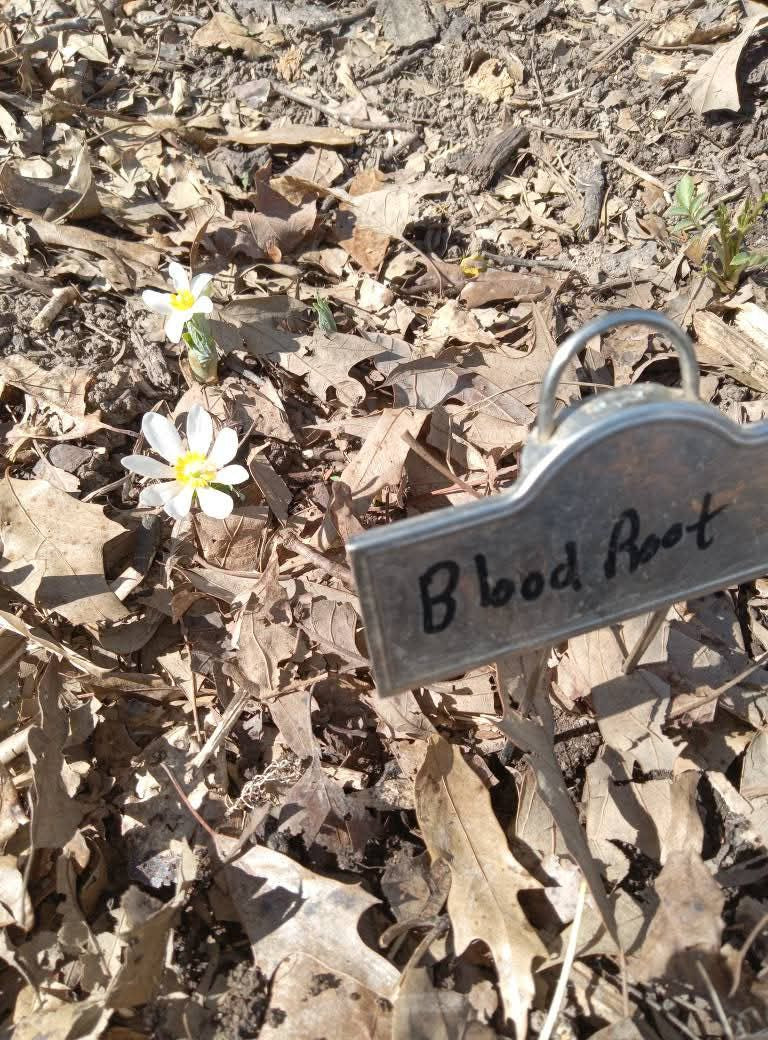
Bloodroot is a unique woodland perennial native to North America and highly valued by those who grow traditional medicinal plants. It is known for its beautiful early spring flowers, deeply lobed leaves, and bright reddish-orange sap found inside the root. This plant has a long history of traditional use, but it is also a plant that must be respected because it is very strong and should be handled with care.
Bloodroot is not a common garden herb like mint, basil, or oregano. It is a slow-growing woodland plant that prefers shade, rich soil, leaf mulch, and a forest-like environment. Once established, it can return year after year and slowly form a beautiful patch in the right conditions.
This plant is especially loved by woodland gardeners, native plant growers, medicinal plant collectors, and homesteaders who want to preserve old traditional plants. Bloodroot is both beautiful and powerful, making it one of the more important woodland medicinals to grow with patience and stewardship.
Medicinal and Traditional Uses
Bloodroot has traditionally been used in herbal history for skin applications, salves, washes, and topical preparations. The root contains strong plant compounds and produces a reddish-orange sap that has been recognized for generations. Because of its strength, Bloodroot is not a casual daily-use herb and should not be treated like a food plant.
Traditionally, Bloodroot has been connected with topical skin use, old-fashioned salve making, and external herbal preparations. It has also been studied for plant compounds that show antimicrobial and other biological activity. However, Bloodroot should be used with great caution, especially because it can be irritating and harmful if misused.
Bloodroot is best grown as a serious medicinal plant for knowledgeable herbal use, not as a general kitchen herb. It should not be taken internally unless under the guidance of a qualified professional. Keep away from children and pets.
The root is the main part traditionally used. The sap can stain skin, clothing, tools, and surfaces.
How Your Plant Will Arrive
Your Bloodroot will be shipped as a bare-root or dry-root plant. This means it may not arrive looking like a full green potted plant. Depending on the time of year, it may arrive dormant, with little or no top growth.
It may look like only a root when it arrives, but that root is alive and needs to be planted. Bloodroot stores its life and energy in the rhizome/root system, and when planted in the right shaded, moist, woodland-style conditions, it can wake up and begin growing.
Bare-root Bloodroot may look like a small root or rhizome section with buds, growing points, or small fibrous roots attached. This is completely normal. Do not throw it away thinking it is dead just because it does not have leaves. The life of the plant is in the root.
When your plant arrives, open the package right away. If the roots feel dry, soak them in clean water for about 1 to 2 hours before planting. Do not soak for days. The goal is only to rehydrate the root before planting.
Until planted, keep the roots moist, cool, and shaded. Do not leave Bloodroot sitting in direct sun, strong wind, or heat. Bare-root woodland plants can dry out quickly if exposed.
If you cannot plant the same day, keep the roots wrapped in slightly damp paper towel, damp peat, or damp soil and place them somewhere cool and shaded for a short time. Plant as soon as possible for the best chance of success.
Planting Instructions
Bloodroot is a woodland plant and should be planted in shade or part shade. It does not want hot full sun. The best location is under trees, along a shaded fence line, in a woodland garden, on the north or east side of a structure, or in a protected shade bed.
Plant Bloodroot in rich, loose, well-draining soil with plenty of organic matter. It prefers soil that feels like a forest floor — soft, leafy, moist, and full of decomposed natural material. Compost, leaf mold, aged wood chips, and well-rotted mulch can help create the right growing environment.
Plant the root shallowly, about 1 to 2 inches deep. If the root has a visible bud or growing point, place that bud facing upward. If you are unsure which side is up, lay the root gently on its side and cover it lightly. The plant will find its way.
Water well after planting to settle the soil around the root. After planting, cover the area with a light layer of leaf mulch or aged wood mulch. This helps hold moisture, protect the root, and mimic the woodland environment Bloodroot prefers.
First Care After Shipping
After planting, keep Bloodroot completely protected from direct sun. This is especially important after shipping. Do not place a newly shipped bare-root Bloodroot plant in hot sun.
Keep the soil evenly moist while the plant settles in, but do not keep it soggy. Bloodroot likes woodland moisture, but it does not like standing water or heavy wet soil.
Do not fertilize heavily. Bloodroot does best with natural woodland-style feeding from compost, leaf mold, and decomposing mulch. Strong fertilizer is not needed and may stress the plant.
Be patient. Bloodroot can be slow to wake up, especially if shipped dormant. It may take time before top growth appears. In some seasons, especially after dormancy, it may wait until the proper conditions return before showing strong growth above ground.
Long-Term Care
Bloodroot grows best in a cool, shaded, woodland-style environment. It prefers filtered light, rich soil, steady moisture, and protection from harsh sun and drying winds.
Keep the planting area mulched with leaves, aged wood chips, or natural woodland mulch. This helps keep the soil cool and moist while slowly feeding the plant over time.
Water during dry spells, especially during the first year. Once established, Bloodroot can handle normal woodland conditions, but it should not be allowed to dry out for long periods while young.
Bloodroot is slow-growing and should be allowed to establish before being disturbed. Over time, it can slowly spread and form a patch. Do not overharvest young plants. Let the plant multiply and strengthen before considering any root harvest.
Harvesting
Bloodroot root is the main part traditionally used, but it should only be harvested from mature, established plants. This can take several years. Because Bloodroot is slow-growing, it should never be harvested heavily from young plantings.
For long-term sustainability, allow plants to multiply and replant sections when dividing. A healthy Bloodroot patch should be managed carefully so it can continue growing for years.
Always handle Bloodroot with care. The sap can irritate skin and stain surfaces. Gloves are recommended when handling cut roots or sap.
Cold Hardiness
Bloodroot is a hardy woodland perennial and is well suited for many temperate climates. It should do well in Zone 7 when planted in the right shaded location with rich soil and moisture.
During winter, Bloodroot may die back completely to the ground and return in spring. This is normal. A layer of leaf mulch helps protect the root through winter and keeps the soil healthy.
In Arkansas and similar areas, the most important protection is from hot sun, drought, poor soil, and drying conditions.
Best Uses
Bloodroot is excellent for woodland gardens, medicinal gardens, native plant gardens, shaded borders, forest gardens, and homestead apothecary plantings. It is a valuable plant for those who want to grow traditional woodland medicinals while also helping preserve important native plants.
This is a plant for patient growers. Bloodroot is not grown for instant results. It is grown for long-term value, stewardship, beauty, and traditional herbal knowledge.
Care Summary
Plant in shade or part shade. Do not plant in hot full sun. Use rich, loose, well-draining woodland soil with plenty of organic matter. Keep moist but not soggy. Mulch with leaves or aged wood chips. Protect bare-root plants from direct sun after shipping. Remember, even if it arrives looking like only a root, it is alive and needs to be planted. Be patient, as Bloodroot is slow-growing. Allow plants to establish for several years before harvesting roots. Handle with care, as the sap is strong and can irritate or stain.
Share