Yahuah's Farm
Blue Arctic Willow
Blue Arctic Willow
Couldn't load pickup availability
Blue Arctic Willow
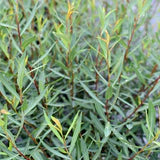
Blue Arctic Willow is a beautiful, cold-hardy shrub willow known for its narrow blue-green foliage, graceful stems, soft texture, and strong usefulness in the landscape and homestead. This willow is valued for its ornamental beauty, fast growth, wildlife value, pollinator support, and ability to grow in areas where many other plants may struggle.
Blue Arctic Willow is commonly grown as a deciduous shrub. It is not usually grown as a massive shade tree like some willows. Instead, it forms a manageable shrub that can be used for borders, screens, windbreaks, wet areas, erosion control, natural fencing, pollinator plantings, and cut stems.
This is one of those plants that offers beauty and function at the same time. The blue-toned leaves give it a soft, attractive look, while the strong willow growth makes it useful for soil holding, habitat, cuttings, living projects, and long-term homestead plantings.
Homestead and Practical Uses
Blue Arctic Willow offers many uses around the farm, garden, and homestead.
It can be grown for ornamental beauty, blue-green foliage, privacy screening, windbreaks, living fences, erosion control, pond edges, wet-soil planting, wildlife habitat, pollinator support, cut stems, coppiced rods, rooting hormone water, natural trellises, rustic garden structures, shelterbelts, and landscape borders.
Willows are famous for rooting easily from cuttings. Young willow stems can often be rooted in water or moist soil, making willow one of the easiest woody plants to propagate. Willow branches also contain natural rooting compounds, and many gardeners make “willow water” by soaking fresh young willow twigs in water and using that water to help encourage rooting in other plant cuttings.
Blue Arctic Willow can also be used in areas with moisture problems. It can be planted near ponds, drainage areas, low spots, ditches, wet borders, and places where the soil stays more moist. Its roots help hold soil in place, making it useful for erosion control and bank stabilization.
Pollinator and Wildlife Value
Willows are very valuable early-season plants for pollinators. In spring, willow catkins can provide pollen and nectar when many other plants have not started blooming yet. This makes Blue Arctic Willow useful for bees and other early pollinators.
The dense growth can also provide shelter and habitat for small birds, wildlife, and beneficial insects. When planted in rows or groups, it can create a living windbreak, privacy screen, habitat edge, or protective border.
Craft, Cut Stem, and Living Willow Uses
Blue Arctic Willow can be coppiced or pruned to encourage fresh young stems. These stems may be used for cut branches, rustic crafts, natural garden stakes, small trellises, weaving projects, living fences, and living willow structures.
Coppicing means cutting the plant back during dormancy so it sends up new shoots the next growing season. This helps produce younger, more flexible stems and also keeps the shrub at a manageable size.
Fresh willow rods can be used for living willow projects if planted while dormant and kept moist. These projects may include living fences, arches, screens, tunnels, borders, or natural garden structures.
Traditional Willow Uses
Willow has a long history of traditional use. Willow bark has been used in herbal traditions, especially with white willow and other medicinal willow species, for discomfort, inflammation response, and general wellness. Blue Arctic Willow is mainly grown as an ornamental, wildlife, pollinator, and homestead willow, but it still belongs to the larger willow family that has long been valued by herbalists and homesteaders.
Willow should be used with wisdom. People who are allergic to aspirin, on blood thinners, pregnant, nursing, or dealing with medical conditions should not use willow internally without guidance from a qualified professional.
At Yahuah’s Farm, we value Blue Arctic Willow mainly as a live useful plant for homestead projects, pollinators, wet areas, cut stems, living willow work, wildlife habitat, and long-term landscape value.
How Your Plant Will Arrive
Your Blue Arctic Willow may be shipped as a live plant, rooted cutting, bare-root plant, dry-root plant, or dormant cutting depending on the season and shipping method. After traveling through the mail, it may look tired, wilted, trimmed back, dormant, or smaller than expected. This is normal for shipped plants.
If it arrives as a bare-root plant, rooted stem, or dormant cutting, it may not look like a full green potted plant. Even if it looks like only a stick, stem, cutting, or root, it is alive and needs to be planted. Willows store life in their stems, buds, and roots, and with proper moisture they can wake up and begin growing.
When your plant arrives, open the package right away. If the roots feel dry, soak the roots in clean water for about 1 to 2 hours before planting. If it arrives as an unrooted dormant cutting, place the bottom end in water for several hours before planting into moist soil.
Do not leave the plant sitting in direct sun, strong wind, or heat before planting. Shipped plants can dry out quickly if exposed.
If you cannot plant the same day, keep the roots or cutting moist and shaded. Wrap roots in damp paper towel, damp peat, or damp soil and place the plant somewhere cool and protected. Plant as soon as possible for the best chance of success.
First Care After Shipping
After planting, keep your Blue Arctic Willow in shade, bright indirect light, or gentle morning sun for the first few days. Do not place a newly shipped or stressed plant straight into harsh afternoon sun. It needs time to recover from shipping and adjust to its new location.
Keep the soil consistently moist while the plant establishes. Willow needs more moisture than many herbs and fruit plants, especially when newly planted. Do not let the roots dry out.
Once the plant begins to perk up or show new growth, gradually increase sunlight until it is growing in its permanent location.
Do not fertilize heavily right away. Let the plant settle and begin rooting first. Once active growth begins, compost or a gentle natural fertilizer can be used if needed.
Planting Instructions
Plant Blue Arctic Willow in full sun to part sun. Full sun usually gives the strongest growth, best color, and fullest shape. It can tolerate part sun, especially in hot climates.
Willow prefers moist soil and can handle areas that stay wetter than many other plants. It still benefits from soil that has some drainage, but it does not mind moisture the way dryland herbs do.
Dig a hole wide enough for the roots to spread naturally. Place the plant at the same depth it was previously growing, then gently backfill with soil. Water deeply after planting.
If planting a dormant cutting, plant the cutting with the correct end down, placing several inches into moist soil and leaving buds above the soil line. Firm the soil around it and keep it watered while roots form.
Mulch around the base to help hold moisture and reduce weeds. Keep mulch pulled back slightly from the stem.
Choose the planting location carefully. Willow roots search for water and should not be planted directly beside septic systems, water lines, foundations, drain fields, or underground pipes.
Long-Term Care
Blue Arctic Willow is a hardy, fast-growing shrub willow once established. It grows best with regular moisture, sun, and room to develop.
Water during dry spells, especially during the first year. Even established willows appreciate moisture, and the best growth usually happens where water is steady.
This willow can be left to grow naturally as a soft, graceful shrub, or it can be coppiced for fresh new stems. For coppicing, cut the plant back during winter dormancy, usually close to the ground. In spring, it will send up fresh new shoots.
Coppicing every 1 to 3 years can help produce younger stems and keep the plant smaller and easier to manage. If you want a fuller ornamental shrub or privacy screen, prune only as needed to shape it.
Blue Arctic Willow can also be planted in rows for a natural screen, hedge, windbreak, or wildlife border. Space plants according to how dense you want the planting to become.
Cold Hardiness
Blue Arctic Willow is very cold hardy and is generally well suited for colder regions. It should grow well in Zone 7 and can handle much colder climates than many ornamental shrubs.
It is deciduous, meaning it drops its leaves in winter and returns in spring. During winter, the plant may look like bare sticks. This is normal. The stems and roots are still alive, and new growth should return when spring conditions arrive.
A light mulch around young plants can help protect the roots during the first winter and hold moisture.
Harvesting Willow Rods
Harvest rods during dormancy after the leaves have dropped, usually in late fall or winter. Cut cleanly with sharp pruners. Young rods are usually the most flexible and useful for weaving, tying, craft work, cut stems, and living willow projects.
Fresh willow rods can be used for living projects if planted soon while still dormant. Dried rods may be used for crafts, though they often need soaking before bending.
For willow water, cut young fresh twigs into small pieces, soak them in water, and use that water for plant cuttings. This is a traditional gardening practice used to help encourage rooting.
Best Uses
Blue Arctic Willow is excellent for wet areas, pond edges, homestead borders, privacy screens, windbreaks, pollinator gardens, wildlife habitat, living fences, coppice patches, erosion control, cut stems, natural trellises, rustic crafts, willow water, and living willow structures.
It is a beautiful and practical plant for anyone wanting something that is more than ornamental. Blue Arctic Willow brings soft blue-green foliage, fast growth, early pollinator support, useful stems, wildlife cover, and long-term homestead value.
Care Summary
Plant in full sun to part sun. Keep moist while establishing. Willow likes more water than many plants and does well in damp areas. Protect newly shipped plants from harsh direct sun for the first few days. Remember, even if it arrives looking like only a stick, cutting, stem, or root, it is alive and needs to be planted. Do not let it dry out. Blue Arctic Willow can be grown as an ornamental shrub, pollinator plant, wildlife plant, wet-area plant, privacy screen, windbreak, living fence material, craft willow, erosion-control plant, and coppiced rod producer. Avoid planting directly beside pipes, septic systems, foundations, or drain lines.
Share