Yahuah's Farm
Blue Vervain
Blue Vervain
Couldn't load pickup availability
Blue Vervain
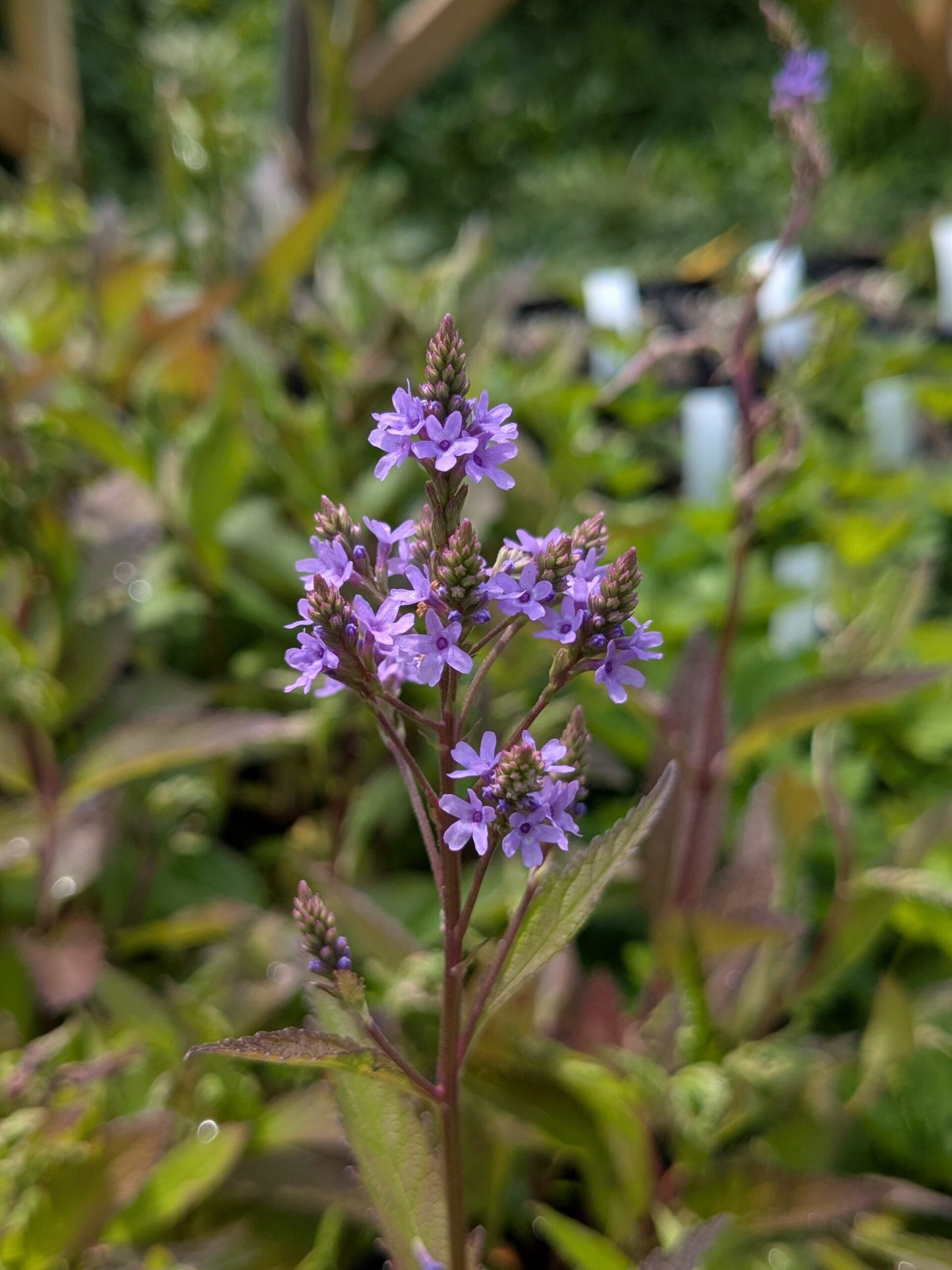
Blue Vervain is a beautiful and highly respected medicinal perennial with tall, slender flower spikes covered in small blue-purple blooms. It has a wild, graceful look and fits wonderfully into medicinal gardens, pollinator gardens, naturalized beds, and homestead herb patches. Once established, Blue Vervain can return year after year and become a dependable plant in the home apothecary garden.
This is one of those herbs that may not look flashy at first, but it has a strong history in traditional herbalism. It is especially valued as a bitter, calming, nerve-supporting herb and has traditionally been used in teas, tinctures, and herbal blends.
Medicinal Properties & Traditional Uses
Blue Vervain has traditionally been used as a nervine herb, meaning it has been used to support the nervous system. It is often chosen when the body feels tense, overwhelmed, restless, or worn down from stress. It is also known as a bitter herb, which means it has traditionally been used to support digestion and liver/gallbladder function by encouraging healthy digestive secretions.
Traditionally, Blue Vervain has been used to support:
Nervous system balance
Stress and tension support
Calmness and relaxation
Restful sleep blends
Digestive support
Bitter tonic use
Liver and gallbladder support
Healthy inflammatory response
Head and neck tension support
Women’s cycle support in traditional herbalism
General cleansing and wellness blends
Blue Vervain is commonly prepared as a tincture, tea, glycerite, or combined with other calming herbs such as skullcap, passionflower, lemon balm, motherwort, chamomile, holy basil, and valerian.
Because Blue Vervain is naturally bitter and strong tasting, many people prefer it in tincture form or blended with better-tasting herbs.
How to Care for Your Plant After Shipping
When your Blue Vervain arrives in the mail, open the package as soon as possible. The plant may look wilted, tired, or stressed from being in a dark box during shipping. This is normal for live plants and does not mean the plant is dead.
Carefully remove the plant from the package and check the soil moisture. If the soil is dry, water it gently. If the soil is already moist, do not overwater it.
Place the plant in a shaded, protected area for about 2 to 3 days after arrival. A covered porch, shaded greenhouse bench, or shaded spot under a tree works well. Do not put it directly into hot full sun the same day it arrives. Let it recover from shipping stress first.
After a few days, slowly introduce it to more sunlight before planting it in its final location.
Planting Instructions
Blue Vervain grows best in full sun to part sun. It can handle a range of garden conditions, but it especially appreciates soil that stays moderately moist while still draining well.
Choose a spot with good sunlight and enough room for the plant to grow tall. Blue Vervain can reach several feet high when mature, especially in rich soil or moist areas.
Dig a hole slightly larger than the root ball. Place the plant so the soil level in the pot matches the soil level in the ground. Backfill gently, press the soil around the roots, and water it in well.
For the first couple of weeks, keep the soil evenly moist while the plant gets established. Once established, it becomes much tougher and easier to maintain.
Ongoing Care
Blue Vervain is a hardy perennial and should return from the roots each spring. It may die back in winter, which is normal. Do not assume the plant is dead when the top growth disappears after frost.
Water during dry spells, especially during the first year. While Blue Vervain can tolerate average garden soil, it usually grows best with consistent moisture. Mulching around the base can help hold moisture, protect the roots, and reduce weeds.
This plant does not require heavy fertilizer. A little compost or aged organic matter is usually enough. Too much fertilizer may cause weak, floppy growth.
Blue Vervain is also valuable for pollinators. Its small blue-purple flowers attract bees, butterflies, and beneficial insects, making it a great addition to pollinator-friendly medicinal gardens.
Harvesting for Medicinal Use
The aerial parts are used medicinally, meaning the leaves, stems, and flowers. Harvest when the plant is actively growing and beginning to flower, as this is often when herbalists prefer to gather it.
Cut the upper portions of the plant, leaving enough growth behind so the plant can continue to recover. Dry the herb in a shaded, warm, well-ventilated area. Once completely dry, store it in an airtight container away from heat, light, and moisture.
Blue Vervain can be used for:
Tea
Tincture
Glycerite
Bitters blends
Nervous system support blends
Sleep and calming formulas
Digestive support formulas
Because it is bitter, a little goes a long way in tea blends.
Growing Summary
Blue Vervain prefers full sun to part sun, moderate moisture, and well-drained soil. It is a hardy perennial that returns year after year, grows tall flower spikes, supports pollinators, and provides a valuable traditional medicinal herb for the home apothecary.
This is a great plant for anyone building a medicinal garden, pollinator garden, herbal tea garden, or homestead wellness space.
Disclaimer: This plant and information are offered for educational and traditional use purposes only. This product is not intended to diagnose, treat, cure, or prevent any disease. Always research herbs carefully and consult a qualified healthcare provider before using herbs medicinally, especially if pregnant, nursing, taking medications, using sedatives, managing blood pressure concerns, or dealing with a medical condition.
Share