Yahuah's Farm
Castor Bean Plant
Castor Bean Plant
Couldn't load pickup availability
Castor Bean
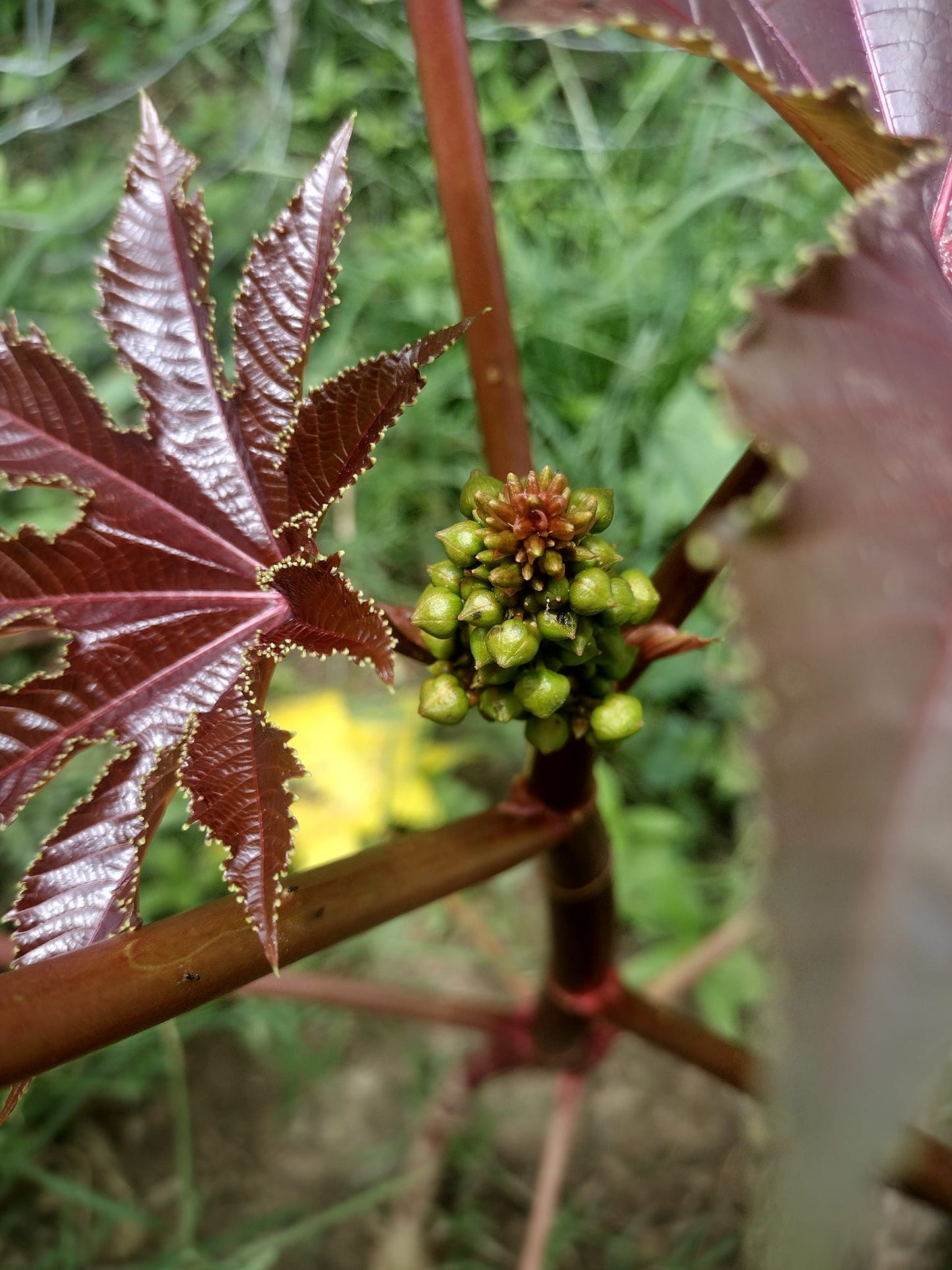
Castor Bean is a bold, fast-growing plant known for its large tropical-looking leaves, strong upright growth, and striking presence in the garden. Even though it is commonly called “bean,” this plant is not a food bean and should never be treated like an edible crop. Castor Bean is grown for its beauty, traditional homestead uses, ornamental value, and the famous castor oil that comes from the seeds after proper commercial processing.
This is one of the most dramatic plants a homestead can grow. In warm weather, Castor Bean can grow quickly and become a large statement plant with huge leaves that bring a tropical look to the garden. Depending on growing conditions, it can reach several feet tall in one season and may become even larger in warm climates with a long growing season.
Castor Bean is valued as an ornamental plant, a garden border plant, a tropical-style landscape plant, and a useful plant for those who understand its history and strength. It is beautiful, powerful, and practical, but it must be respected.
Important Safety Note
Castor Bean is a poisonous plant if misused. The seeds are highly toxic and should never be eaten by people, pets, or livestock. Keep the seeds and plant parts away from children and animals. Do not use Castor Bean internally.
The castor oil commonly sold in stores is made through proper processing that removes the dangerous components. Homemade processing of Castor Bean seeds is not recommended.
At Yahuah’s Farm, we grow Castor Bean as a beautiful ornamental and traditional homestead plant, not as a food plant. Please handle it with wisdom and keep it planted where children and animals will not eat the seeds.
Traditional and Homestead Uses
Castor Bean has a long history of use around the world. The plant is most famous for castor oil, which is pressed from the seeds through proper processing. Castor oil has been traditionally used externally in skin care, hair care, massage oils, packs, salves, and other topical preparations.
The plant itself has also been grown as an ornamental, privacy plant, tropical-looking garden feature, and large seasonal backdrop in the landscape. Its big leaves can create shade, structure, and beauty in garden beds.
Some gardeners also grow Castor Bean near gardens or borders because of its strong scent and presence, and because it has been traditionally associated with helping discourage certain pests. However, it should always be placed with safety in mind.
How Your Plant Will Arrive
Your Castor Bean may be shipped as a young plant, rooted plant, or bare-root/dry-root plant depending on the season and shipping method. After traveling through the mail, it may look tired, wilted, dry, small, or stressed. This is normal for shipped plants.
If it arrives as a bare-root or dry-root plant, it may not look like a full green potted plant. Even if it looks like only a root or rooted stem, it is alive and needs to be planted. The life of the plant is in the stem and root system, and with proper care it can recover and begin growing.
When your plant arrives, open the package right away. If the roots feel dry, soak only the roots in clean water for about 30 minutes to 1 hour before planting. Do not soak the whole plant for days. The goal is only to rehydrate the roots before planting.
Until planted, keep the roots moist and keep the plant out of direct sun, strong wind, and extreme heat. Shipped plants should not be placed straight into hot afternoon sun when they first arrive.
If you cannot plant the same day, keep the roots wrapped in slightly damp paper towel, damp peat, or damp soil and place the plant somewhere cool and shaded for a short time. Plant as soon as possible for the best chance of success.
First Care After Shipping
After planting, keep your Castor Bean in shade, bright indirect light, or gentle morning sun for the first few days. Do not place a newly shipped or stressed plant straight into harsh afternoon sun. It needs time to recover from shipping and adjust to its new location.
Keep the soil lightly moist while the plant settles in, but do not keep it soggy. Castor Bean grows fast once established, but newly shipped roots need steady moisture at first.
Do not fertilize heavily right away. Let the plant settle and begin growing first. Once new growth appears, compost or a gentle natural fertilizer can be used if needed.
After the plant begins to perk up and show new growth, gradually increase sunlight until it is growing in its permanent location.
Planting Instructions
Plant Castor Bean in full sun for the strongest growth. It loves warmth, sunlight, rich soil, and room to grow. It can tolerate part sun, but full sun usually produces the biggest, strongest plants.
Choose a location with well-draining soil. Castor Bean enjoys moisture and fertility, but it should not sit in soggy ground. Mix compost into the planting area if the soil is poor.
Dig a hole wide enough for the roots to spread naturally. Place the plant at the same depth it was previously growing, then gently backfill with soil. Water well after planting to help settle the soil around the roots.
Give Castor Bean plenty of space. This is not a tiny herb. It can grow large quickly in warm weather, so plant it where it will not crowd small plants.
Because of the toxic seeds, choose the planting location carefully. Avoid planting where children, pets, poultry, goats, cattle, or other animals may eat the seeds.
Long-Term Care
Castor Bean grows best in full sun, warm temperatures, rich soil, and steady moisture. Once established, it can grow very quickly and may become one of the largest plants in the garden.
Water during dry spells, especially during hot weather. Mulching around the base can help hold moisture and keep the roots comfortable.
Compost or a gentle natural fertilizer can be used during the growing season to encourage strong growth. Avoid overfeeding with harsh fertilizer, especially when the plant is young.
In areas with frost, Castor Bean is usually grown as a warm-season annual. In warmer climates without freezing winters, it may live longer and grow much larger.
If you do not want seeds to form, cut off flower heads before they mature. This can also help reduce the risk of seeds dropping where children or animals may find them.
Harvesting and Handling
Castor Bean leaves may be harvested for certain traditional external uses, but they should not be eaten. The seeds should be handled with extreme caution and should never be consumed.
Wear gloves when handling seeds or cutting mature plants if you have sensitive skin. Always wash hands after handling. Keep harvested material clearly labeled and away from children and animals.
Do not attempt homemade castor oil production from the seeds. Store-bought castor oil is commercially processed and is not the same as raw seeds.
Cold Hardiness
Castor Bean is a heat-loving plant. In Zone 7 and similar climates, it is usually grown as a warm-season annual because frost will kill the top growth.
Plant outdoors after danger of frost has passed and the soil has warmed. Castor Bean does not like cold soil or freezing weather.
In warm climates, it may grow much larger and may act more like a perennial where winters stay frost-free. In Arkansas and other Zone 7 areas, expect it to grow fast during the warm season and die back when freezing weather arrives.
Best Uses
Castor Bean is excellent for ornamental gardens, tropical-style landscapes, privacy plantings, garden backdrops, homestead plantings, and educational medicinal gardens. It brings height, beauty, and dramatic foliage wherever it is planted.
It is especially useful for growers who want a fast-growing, bold, tropical-looking plant that can make a strong visual impact in one season.
Care Summary
Plant in full sun with rich, well-draining soil. Protect from harsh direct sun for the first few days after shipping. Keep lightly moist while establishing, but do not overwater. Remember, even if it arrives looking like only a root or rooted stem, it is alive and needs to be planted. Castor Bean loves heat, sun, fertility, and room to grow. Use caution with this plant, as the seeds are highly toxic and should never be eaten by people, pets, or livestock.
Share