Yahuah's Farm
Consort Black Currant
Consort Black Currant
Couldn't load pickup availability
Consort Black Currant
Bare-Root Fruiting Plant
Consort Black Currant is a hardy, productive fruiting shrub that every edible garden and homestead should have. This plant produces clusters of deep black berries with a bold, rich, tart flavor that is excellent for jams, jellies, syrups, sauces, baking, juice, homemade drinks, and preserving. The fruit has an old-fashioned flavor that stands out from common berries — strong, tangy, and deeply fruity.
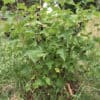
Consort Black Currant grows as an attractive shrub, usually reaching around 3–4 feet tall and wide. It is a great choice for small spaces, edible landscaping, food forests, berry gardens, and homestead plantings. This variety is considered self-fertile, meaning one plant can produce fruit, though planting more than one can often increase your harvest.
The berries are one of the biggest reasons this plant is so valuable. Black currants are naturally rich in vitamin C and dark plant pigments called anthocyanins, which give the berries their deep color. They are a very useful fruit for anyone wanting to grow more of their own food, make homemade preserves, and add more nutrient-rich berries to the homestead.
In the kitchen, Consort Black Currants can be used fresh if you enjoy a tart berry, but they really shine when cooked down. They make amazing jams, syrups, sauces, pie fillings, baked goods, fruit leather, teas, and homemade fruit drinks. Their strong flavor also pairs well with sweeter fruits like apples, pears, strawberries, raspberries, and blueberries.
This is a great plant for homesteaders, gardeners, food growers, and anyone wanting a dependable perennial fruit shrub that can produce year after year. Once established, currants are fairly easy to grow, take up little space, and bring both beauty and usefulness to the garden.
Available now at Yahuah’s Farm.
Shipping Notice:
These Consort Black Currants are shipped bare root, meaning they will arrive without a pot or soil. Bare-root shipping helps keep the plant lighter, cleaner, and more affordable to ship. Because the roots are exposed during shipping, the plant may look slightly stressed when it arrives, but this is normal.
When it arrives, it may look like a stick with roots — this does not mean it is dead. Bare-root plants often look simple when shipped, but once planted and cared for properly, they wake up and begin growing.
Bare Root Planting Instructions:
When your Consort Black Currant arrives, open the package right away. Do not leave it sitting in a hot mailbox, vehicle, porch, or sealed box. If the roots look dry, soak them in clean water for 2–4 hours before planting.
Choose a planting location with full sun to part shade. In hot southern climates like Arkansas, currants often appreciate some afternoon shade, especially during the hottest part of summer. They prefer fertile, well-draining soil that stays evenly moist but does not stay soggy.
Dig a hole wide enough to spread the roots out naturally. Place the plant so the roots are fully covered and the crown is at or just slightly below soil level. Backfill with loose soil, gently firm it around the roots, and water it in well.
After planting, place mulch around the base to help hold moisture and keep weeds down, but do not pile mulch directly against the stem. Keep the soil evenly moist while the plant gets established. Bare-root plants need consistent moisture during the first few weeks, but they should not sit in waterlogged soil.
If planting more than one currant, space them about 3–4 feet apart. Good spacing and airflow help keep the plants healthier, especially in humid areas.
Do not panic if the plant takes a little time to leaf out. Bare-root plants often need time to adjust, root in, and wake up after shipping. With proper care, Consort Black Currant can become a beautiful, useful, long-lasting fruiting shrub for the garden, food forest, or homestead.
Share