Yahuah's Farm
COMFREY SEEDS
COMFREY SEEDS
Couldn't load pickup availability
🌱 Seed Quality Promise
All seeds sold by Yahuah’s Farm are 100% organic, non-GMO, and never chemically treated or coated.
We do not sell pelleted, dyed, chemically enhanced, or synthetic-treated seeds.
What you plant should be as pure as the medicine it becomes.
About Comfrey
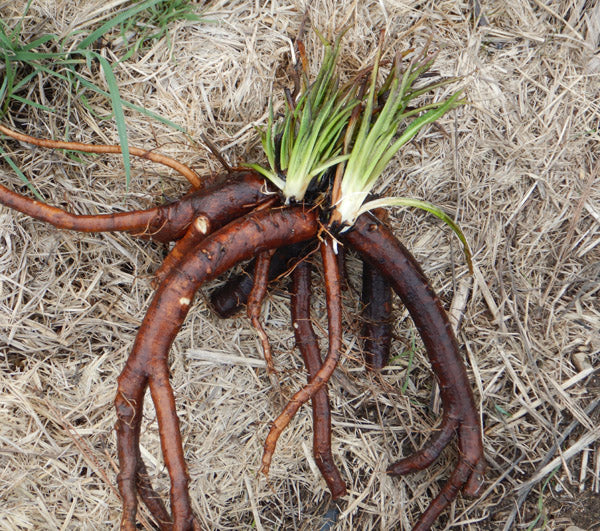
Comfrey is one of the most famous medicinal and regenerative plants in the world. Known for its deep taproots, fast-growing leaves, and nutrient-dense foliage, comfrey has been grown for centuries as both a healing herb and a soil-building powerhouse.
This plant is a true homestead workhorse — producing large, lush leaves that can be cut multiple times per season while continuously improving the soil around it. Once established, comfrey is extremely long-lived and low-maintenance.
Traditional & Herbal Uses
Comfrey has been traditionally used as:
• A classic topical herb
• A traditional skin-supporting plant
• A soothing botanical
• A salve and poultice herb
• A regenerative plant
• A wound-care garden plant
• A comforting herb
• A traditional first-aid plant
The leaves and roots have historically been used, especially in topical preparations.
Plant Characteristics
Botanical Name: Symphytum officinale
Common Name: Comfrey
Life Cycle: Perennial
Growth Habit: Clumping, spreading
Mature Height: 2–4 feet
Mature Width: 2–3 feet
Flower Color: Purple, pink, or cream
Bloom Time: Late spring through summer
Attracts: Bees, beneficial insects
Comfrey is incredibly lush, bold, and productive.
Growing Comfrey from Seed
Comfrey is easy to grow once established, but patience is important in the beginning.
How to Germinate Comfrey Seeds
Comfrey seeds benefit from cold stratification for best germination.
Method 1: Natural Stratification (Easiest)
-
Sow seeds outdoors in fall.
-
Press lightly into soil.
-
Allow winter cold to naturally stratify seeds.
-
Germination occurs in spring.
Method 2: Indoor Stratification
-
Place seeds in moist medium.
-
Refrigerate for 4–6 weeks.
-
Surface sow after chilling.
-
Keep moist and cool.
Light Requirements
Seeds need light to germinate.
Do not bury deeply.
Germination Time
• 14–30 days
• May be staggered
Ideal Growing Conditions
USDA Zones
Zones 3–9
Sun
• Full sun to partial shade
• Tolerates shade well
Soil
• Rich
• Deep
• Moist but well-draining
• High organic matter
Water
• Moderate to high moisture
• Drought tolerant once established
Spacing
• Space plants 24–36 inches apart
• Large root systems require room
Growth Timeline
Year 1:
• Leaf growth
• Root establishment
Year 2 and Beyond:
• Full-size plant
• Heavy leaf production
• Multiple harvests per year
Harvesting
Leaves
Harvest several times per season.
• Cut leaves when 12–18 inches tall
• Leave crown intact
• Regrows rapidly
Roots
Traditionally harvested from mature plants.
Seed Saving
-
Allow flowers to mature and dry.
-
Collect seed clusters.
-
Separate seeds.
-
Store cool, dark, and dry.
Why Grow Comfrey?
• Legendary medicinal herb
• Extremely productive
• Perennial and long-lived
• Improves soil health
• Excellent compost activator
• Pollinator friendly
• Low maintenance
• Great for permaculture
• Powerful homestead plant
Share