Yahuah's Farm
Echinacea Purpurea
Echinacea Purpurea
Couldn't load pickup availability
Purple Echinacea
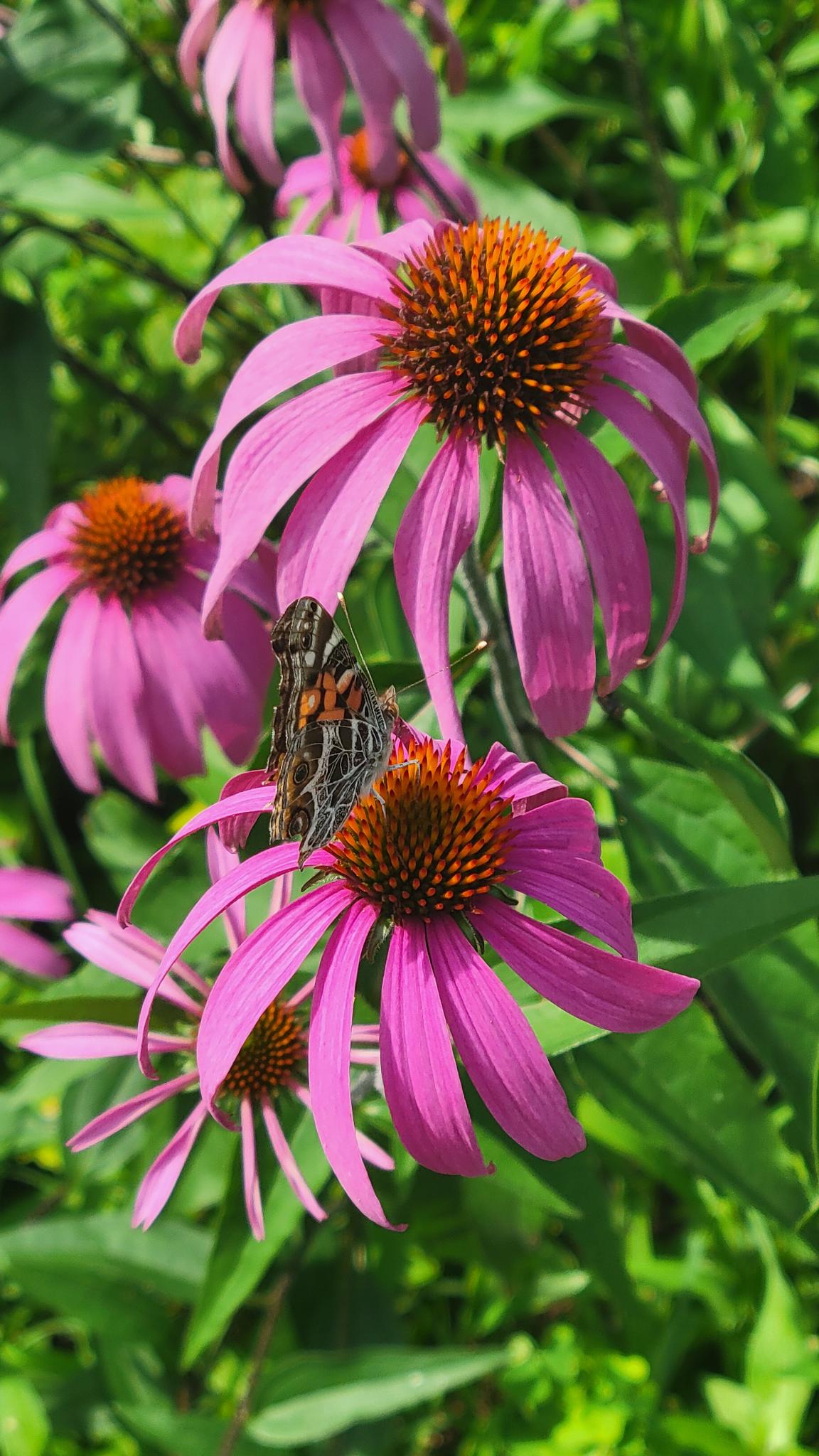
Purple Echinacea is one of the most recognized and loved medicinal perennials in the herb garden. Known for its bold purple daisy-like flowers and strong central cone, this plant is not only beautiful, but also highly valued in traditional herbalism. It is a hardy perennial that returns year after year, bringing color, pollinators, and usefulness to the homestead garden.
Echinacea has a long history of traditional use for immune support, especially during cold and seasonal wellness times. The root, leaf, and flower have all been used in herbal preparations, with the root often considered the strongest part of the plant medicinally. Traditionally, echinacea has been used to support the body’s natural defenses, throat comfort, lymphatic movement, and overall immune response. Many herbalists use it in teas, tinctures, glycerites, and immune-support blends.
Beyond its medicinal value, Purple Echinacea is also a wonderful pollinator plant. Bees, butterflies, and other beneficial insects are drawn to the flowers, making it a great addition to medicinal gardens, cottage gardens, pollinator beds, food forests, and homestead landscapes. Once established, it is drought tolerant, low maintenance, and very dependable.
This is a great plant for anyone wanting a beautiful flower that also has a practical medicinal purpose.
How to Care for Your Plant After Shipping
When your Purple Echinacea arrives in the mail, open the package as soon as possible. The plant may look tired, wilted, or slightly stressed from shipping, and that is normal. Shipping can be hard on live plants, especially if they have been in a dark box for a few days.
Remove the plant carefully and check the soil moisture. If the soil is dry, water it gently and deeply. If it is already moist, do not soak it again. Place the plant in a shaded, protected area for about 2 to 3 days before putting it into full sun. This gives the plant time to recover from shipping stress before being exposed to direct sunlight.
Do not plant it immediately in the hot sun the same day it arrives. Let it rest first. A covered porch, shaded greenhouse bench, or area under a tree works well during this recovery period.
Planting Instructions
After your echinacea has had a few days to recover, it can be planted in the ground or moved into a larger pot. Choose a location with full sun to part sun. Purple Echinacea blooms best with at least 6 hours of sunlight per day.
Plant it in well-draining soil. Echinacea does not like to sit in soggy, waterlogged ground. If your soil is heavy clay, mix in compost, aged mulch, or other organic matter to help loosen the soil and improve drainage.
Dig a hole slightly larger than the root ball. Place the plant so the top of the soil in the pot is level with the ground. Backfill gently, press the soil around the roots, and water well after planting.
For the first couple of weeks, keep the soil evenly moist while the plant gets established. After it begins growing strong, echinacea becomes much more drought tolerant and does not need constant watering.
Ongoing Care
Purple Echinacea is a hardy perennial and is easy to care for once established. It will die back in winter and return from the roots in spring. Do not think the plant is dead when the top growth disappears in the cold months. That is part of its natural cycle.
Water during dry spells, especially during the first year. Once established, it can handle drier conditions better than many garden plants. Avoid overwatering, as too much moisture can cause root issues.
You can remove spent flowers to encourage more blooms, or you can leave the seed heads standing for birds and natural reseeding. The dried cones are also beautiful in fall and winter gardens.
Purple Echinacea grows well in herb gardens, flower beds, pollinator gardens, raised beds, and naturalized areas. It pairs beautifully with yarrow, bee balm, mountain mint, black-eyed Susan, lavender, and other medicinal or pollinator-friendly plants.
Harvesting for Medicinal Use
Leaves and flowers can be harvested during the growing season once the plant is well established. For root harvest, it is best to wait until the plant is at least 2 to 3 years old so it has had time to develop a strong root system.
The flowers and leaves are commonly dried for tea or infused into tinctures. The root is traditionally harvested in fall, cleaned, chopped, dried, and used for stronger medicinal preparations.
Do not overharvest young plants. Let your echinacea grow strong first so it can keep coming back year after year.
Growing Summary
Purple Echinacea prefers full sun, well-drained soil, and moderate watering while young. Once established, it is hardy, drought tolerant, and very easy to maintain. It is both ornamental and medicinal, making it one of the best plants for a practical homestead herb garden.
Medicinal Uses Traditionally Associated with Echinacea
Purple Echinacea has traditionally been used for:
Immune system support
Seasonal wellness support
Cold and flu season support
Throat comfort
Lymphatic support
General inflammation support
Wound wash preparations
Skin-soothing herbal uses
Pollinator and garden health support
Purple Echinacea is a beautiful, useful, and dependable perennial that belongs in every medicinal garden. It brings beauty to the landscape, food for pollinators, and traditional herbal value for the home apothecary.
Share