Yahuah's Farm
Hazelnut Tree
Hazelnut Tree
Couldn't load pickup availability
Hazelnut Tree
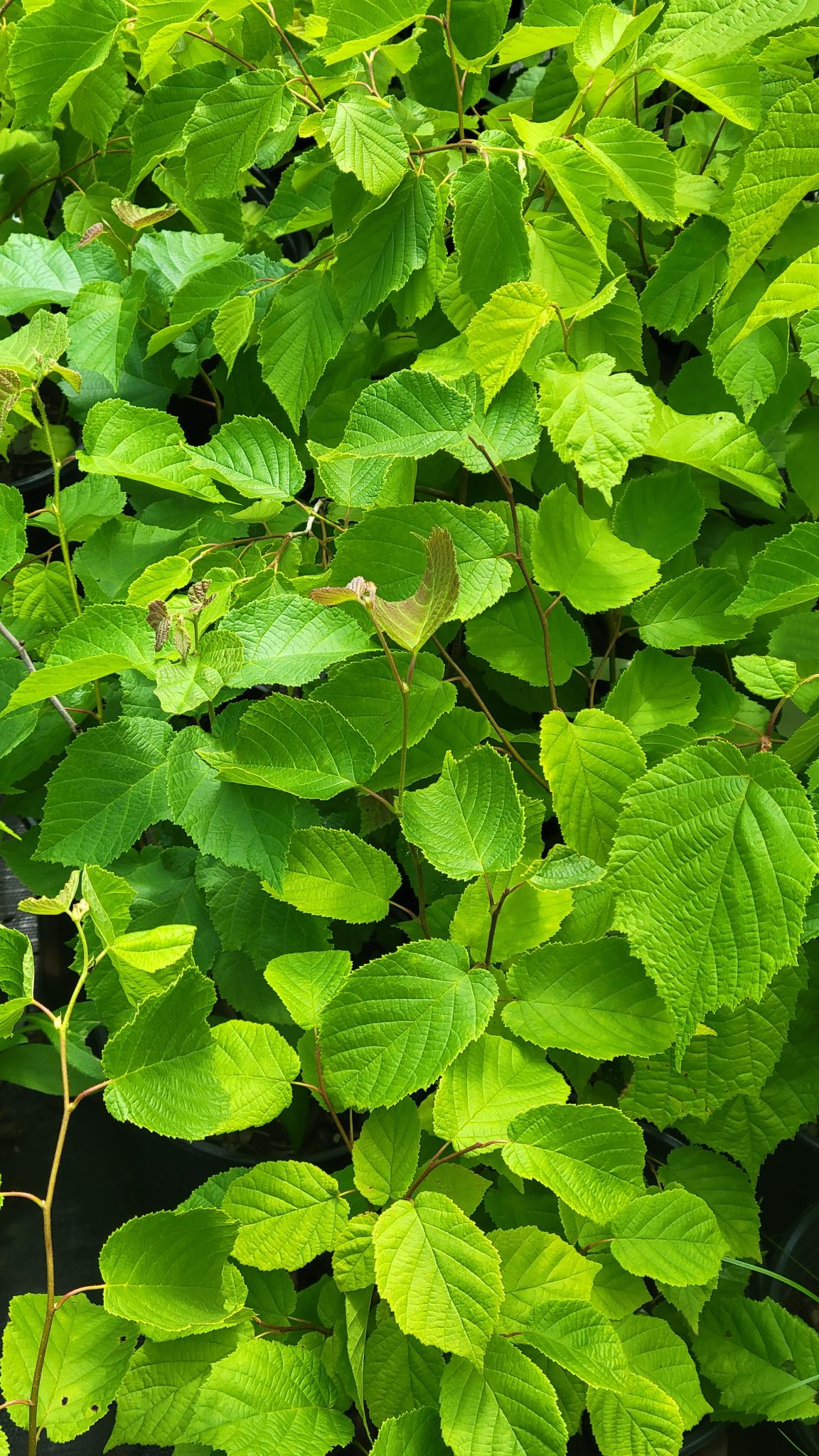
Hazelnut is a valuable nut-producing shrub or small tree known for its edible nuts, wildlife value, pollinator support, and usefulness in homestead plantings. It is one of the best long-term perennial food plants for anyone wanting to grow more food on their land and build a productive landscape that gives back year after year.
Hazelnuts are also called filberts. The nuts are rich, flavorful, and useful for fresh eating, roasting, baking, nut butters, desserts, trail mixes, granola, homemade flour, and long-term food storage. Once established, hazelnut plants can become a dependable food source for both people and wildlife.
Hazelnut is especially useful because it does not have to grow into a massive tree to be productive. Many hazelnuts grow more like a large shrub or small multi-stemmed tree, making them easier to fit into homesteads, food forests, edible hedgerows, orchard edges, and wildlife plantings.
This is a plant with more than one purpose. It can feed the family, feed wildlife, create cover, support pollination, form a living hedge, and become part of a long-term survival food system.
Edible Uses
Hazelnuts are edible nuts that can be harvested, dried, cracked, roasted, and used in many different foods. They have a rich, nutty flavor and can be eaten plain, roasted, salted, ground, or added to recipes.
Hazelnuts can be used for nut butter, baked goods, breads, cookies, cakes, granola, trail mix, chocolate recipes, homemade spreads, nut milk, flour, and oil. When dried and stored properly, they can also become a valuable shelf-stable food.
The nuts are usually harvested when they mature and begin to drop from the husks. They should be dried well before long-term storage. Once dry, the shells can help protect the nutmeat inside until ready to use.
Pollination Note
For best nut production, hazelnuts usually need more than one plant for cross-pollination. Planting at least 2 different hazelnut plants is strongly recommended for better nut set. Planting 3 or more gives even better chances of strong pollination and heavier future harvests.
Hazelnuts are wind-pollinated. They produce male catkins and female flowers, and pollen is moved by wind rather than bees. Planting multiple hazelnuts near each other helps improve pollination and nut production.
A single hazelnut plant may grow beautifully, but it may not produce a strong nut crop by itself. For anyone wanting fruiting and food production, plant more than one.
Homestead and Practical Uses
Hazelnut offers many uses around the farm and homestead.
It can be grown for edible nuts, wildlife food, hedgerows, privacy screens, windbreaks, orchard edges, food forest layers, erosion control, living fences, coppice wood, pollinator support, bird habitat, and long-term survival food production.
Hazelnut plants can also be used in permaculture-style systems because they fit well under or near larger trees and along edges. They can be grown as a shrub layer in a food forest or planted in rows as a productive hedge.
The branches can provide cover for birds and small wildlife. The nuts feed squirrels, deer, birds, and other animals, making hazelnut a strong wildlife plant as well as a human food plant.
How Your Tree Will Arrive
Your Hazelnut may be shipped as a young tree, rooted seedling, bare-root tree, or dry-root tree depending on the season and shipping method. After traveling through the mail, it may look tired, wilted, trimmed back, dormant, or smaller than expected. This is normal for shipped trees.
If it arrives as a bare-root or dry-root tree, it may not look like a full green potted tree. Even if it looks like only a stem and roots, it is alive and needs to be planted. The life of the plant is in the roots, stem, and buds, and with proper care it can recover and begin growing.
When your Hazelnut arrives, open the package right away. If the roots feel dry, soak only the roots in clean water for about 1 to 3 hours before planting. Do not soak the whole tree for days. The goal is only to rehydrate the roots before planting.
Until planted, keep the roots moist and keep the plant out of direct sun, strong wind, and extreme heat. Shipped trees should not be placed straight into hot afternoon sun when they first arrive.
If you cannot plant the same day, keep the roots wrapped in slightly damp paper towel, damp peat, or damp soil and place the tree somewhere cool, shaded, and protected for a short time. Plant as soon as possible for the best chance of success.
First Care After Shipping
After planting, protect your Hazelnut from harsh direct sun, drying wind, and extreme heat for the first few days if possible. A newly shipped tree needs time to adjust after being in a box.
Keep the soil evenly moist while the plant establishes. Do not let the roots dry out during the first growing season. At the same time, do not keep the plant sitting in standing water.
Do not fertilize heavily right away. Let the roots settle first. Once new growth appears and the plant is actively growing, compost or a gentle natural fertilizer can be used if needed.
If leaves wilt, dry, or drop after shipping, do not panic. This can happen with shipped trees. Keep caring for the roots and stem. If the stem and buds are alive, the plant may push new growth when conditions are right.
Planting Instructions
Plant Hazelnut in full sun to part sun. Full sun gives the best nut production, but hazelnuts can also tolerate some partial shade.
Choose a location with well-draining soil. Hazelnuts like moisture while establishing, but they do not want to sit in soggy, waterlogged ground. Compost can be mixed into the planting area if the soil is poor.
Dig a hole wide enough for the roots to spread naturally. Do not force the roots into a tight hole. Place the plant so the root crown is at soil level. Do not bury the stem too deep. Gently backfill with soil and water deeply after planting.
Mulch around the base to help hold moisture, reduce weeds, and protect the soil. Keep mulch pulled back a few inches from the stem so it does not stay wet against the bark.
If planting multiple hazelnuts for nut production, plant them close enough for good wind pollination but far enough apart for mature growth. A spacing of about 8 to 15 feet apart is commonly used depending on how you want to manage them.
Long-Term Care
Hazelnut is a hardy, long-lived plant once established. During the first few years, water during dry spells to help the roots grow strong. Deep watering is better than frequent shallow watering.
Keep grass and weeds pulled back from the base, especially while young. Mulch helps reduce competition and keeps the root zone protected.
Hazelnuts can be grown as a multi-stemmed shrub or trained more like a small tree. If you want a shrub form, allow several strong stems to grow from the base. If you want a tree form, select one main trunk and remove extra suckers.
Prune during dormancy to remove damaged, crossing, weak, or crowded branches. Good airflow and sunlight help keep the plant healthier and improve production.
Hazelnuts may sucker from the base. This is normal. Suckers can be removed if you want a cleaner tree shape, or allowed if you want a thicker hedge or shrub form.
Cold Hardiness
Hazelnuts are cold-hardy and well suited for many temperate climates. They should grow well in Zone 7 and can also handle colder areas depending on variety.
In winter, Hazelnut goes dormant and drops its leaves. This is normal. The roots, stems, and buds remain alive, and new growth returns in spring.
Young plants may benefit from mulch around the root zone during their first winter, especially after being newly planted.
Nut Production and Harvest
Hazelnuts usually take a few years to begin producing nuts. Young plants should be allowed to focus on root and branch growth before expecting heavy harvests.
The nuts form inside husks and mature in late summer to fall, depending on the variety and climate. They are usually ready when the husks begin to dry and the nuts loosen or drop.
After harvest, dry the nuts in a warm, dry, well-ventilated area before storage. Once properly dried, they can be stored in the shell for later use.
For best production, plant at least 2 different hazelnut plants, with 3 or more being even better.
Best Uses
Hazelnut is excellent for homesteads, food forests, edible hedgerows, orchard edges, wildlife plantings, windbreaks, privacy screens, survival gardens, nut production, and long-term perennial food systems.
It is especially useful for growers who want a plant that provides food, habitat, beauty, and long-term value without needing to become a giant tree.
Care Summary
Plant in full sun to part sun with well-draining soil. Protect from harsh direct sun and drying wind for the first few days after shipping. Keep roots moist while establishing, but do not keep the soil waterlogged. Remember, even if it arrives looking like only a stem and roots, it is alive and needs to be planted. Plant at least 2 Hazelnut plants for pollination, with 3 or more recommended for better nut production. Mulch well, water during dry spells, protect young plants from animals, and allow time for the plant to mature into a productive nut-bearing shrub or small tree.
Share