Yahuah's Farm
Holy Basil / Tulsi
Holy Basil / Tulsi
Couldn't load pickup availability
Holy Basil / Tulsi
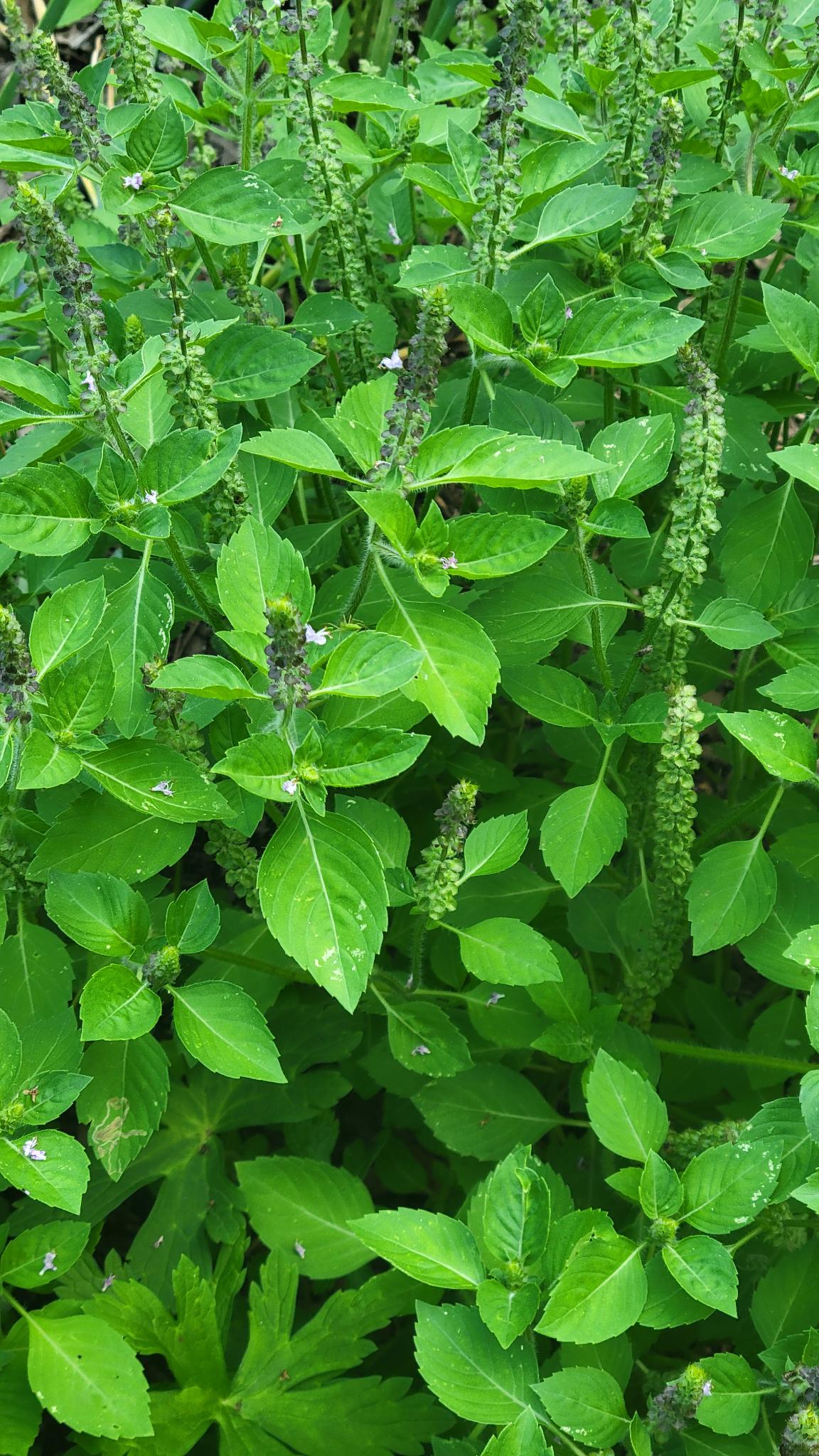
Holy Basil, also known as Tulsi, is one of the most treasured medicinal herbs in the world. It is a beautiful, aromatic, warm-season herb with a rich clove-like scent and a long history of traditional use for stress support, respiratory wellness, digestion, immune support, and overall balance.
This is a wonderful plant for the homestead herb garden because it is useful, fragrant, pollinator-friendly, and easy to grow. Holy Basil can be used fresh or dried, and it makes a wonderful tea, tincture, infused honey, glycerite, herbal steam, or addition to wellness blends.
Medicinal Properties & Traditional Uses
Holy Basil is best known as an adaptogenic herb, meaning it has traditionally been used to help the body respond to stress and restore balance. It is often used when someone feels worn down, anxious, mentally tired, or physically depleted.
Traditionally, Holy Basil has been used to support:
Stress response
Calmness and relaxation
Mental clarity and focus
Immune system support
Respiratory comfort
Digestive support
Healthy inflammation response
Blood sugar balance support
Energy without overstimulation
Overall resilience and vitality
Holy Basil is especially loved as a daily tea herb. It has a warm, slightly spicy, sweet, clove-like flavor that blends well with lemon balm, ginger, cinnamon, rose hips, nettles, moringa, peppermint, and hibiscus.
How to Care for Your Plant After Shipping
When your Holy Basil arrives in the mail, open the package as soon as possible. Live plants may look tired, wilted, or stressed from shipping, especially after being in a dark box for a few days. This is normal.
Carefully remove the plant from the package and check the soil moisture. If the soil is dry, water it gently. If the soil is already moist, do not soak it again. Holy Basil likes moisture, but it does not like sitting in soggy soil.
Place the plant in a shaded, protected area for about 2 to 3 days after arrival. A covered porch, shaded greenhouse bench, or area under a tree works well. Do not put it straight into hot full sun the same day it arrives. Let it recover first.
After a few days, slowly introduce it to more sunlight before planting it in its final location.
Planting Instructions
Holy Basil grows best in warm weather after all danger of frost has passed. Choose a sunny location with good drainage. It will grow best with 6 or more hours of sunlight per day, though it can tolerate some afternoon shade in very hot weather.
Plant it in loose, fertile, well-drained soil. Adding compost or aged organic matter will help it grow strong and produce more leaves for harvest.
Dig a hole slightly larger than the root ball. Place the plant so the soil level in the pot matches the soil level in the ground. Backfill gently, press the soil around the roots, and water it in well.
For the first week or two, keep the soil evenly moist while the plant gets established. Once it starts growing well, water when the top of the soil begins to dry.
Ongoing Care
Holy Basil is a warm-season annual in most areas, including Zone 7. It grows quickly in heat and can become a beautiful bushy plant with regular harvesting.
Pinch or cut the growing tips often to encourage branching. The more you harvest, the fuller the plant becomes. If you allow it to flower, bees and pollinators will love it, but the leaves may become slightly stronger in flavor. You can still harvest it after flowering, but for the best leaf production, keep it trimmed.
Holy Basil may reseed itself if allowed to flower and go to seed. This makes it a wonderful self-renewing herb in the garden when conditions are right.
Water regularly during dry spells, especially if grown in containers. Avoid letting potted plants dry out completely in summer heat.
Harvesting for Medicinal Use
Leaves and flowering tops are the main parts used. Harvest once the plant is growing strong and has enough leaves to spare.
Cut stems above a set of leaves to encourage new growth. The leaves can be used fresh or dried for later use. To dry, bundle small stems and hang them in a warm, shaded, well-ventilated place, or use a dehydrator on low heat.
Holy Basil can be used for:
Tea
Tincture
Glycerite
Infused honey
Herbal vinegar
Herbal steam
Bath blends
Immune and stress support blends
For tea, use the dried leaves and flowering tops. For tinctures and glycerites, fresh or dried herb can be used depending on your recipe.
Growing Summary
Holy Basil prefers warm weather, full sun to part sun, fertile well-drained soil, and regular harvesting. In Zone 7, it is usually grown as a warm-season annual, but it may reseed if allowed to mature. It is easy to grow, beautiful in the garden, loved by pollinators, and one of the most useful herbs for the home apothecary.
This is a must-have plant for anyone building a medicinal garden, tea garden, pollinator garden, or homestead wellness space.
Disclaimer: This plant and information are offered for educational and traditional use purposes only. This product is not intended to diagnose, treat, cure, or prevent any disease. Always research herbs carefully and consult a qualified healthcare provider before using herbs medicinally, especially if pregnant, nursing, taking medications, managing blood sugar concerns, using blood thinners, or dealing with a medical condition.
Share