Yahuah's Farm
Horehound
Horehound
Couldn't load pickup availability
Horehound
Horehound is an old-fashioned medicinal herb with a long history of use, especially for the lungs, throat, coughs, mucus, and digestion. This is one of those plants that has been used for generations in teas, syrups, lozenges, cough drops, and traditional herbal remedies. It may not be the flashiest plant in the garden, but it is one of the most useful herbs a homestead can grow.
Horehound is best known as a respiratory herb. Traditionally, it has been used to help support the body during coughs, chest congestion, throat irritation, mucus buildup, and seasonal respiratory discomfort. It has a naturally bitter, aromatic taste and has been commonly used in homemade cough syrups and old-time horehound candy.
This plant is also valued as a digestive bitter. Bitter herbs have long been used before meals to help stimulate digestion, support appetite, and encourage the body’s natural digestive process. Horehound’s bitterness is part of what makes it useful. It is not a sweet-tasting herb by itself, but that bitterness is where much of its traditional value comes from.
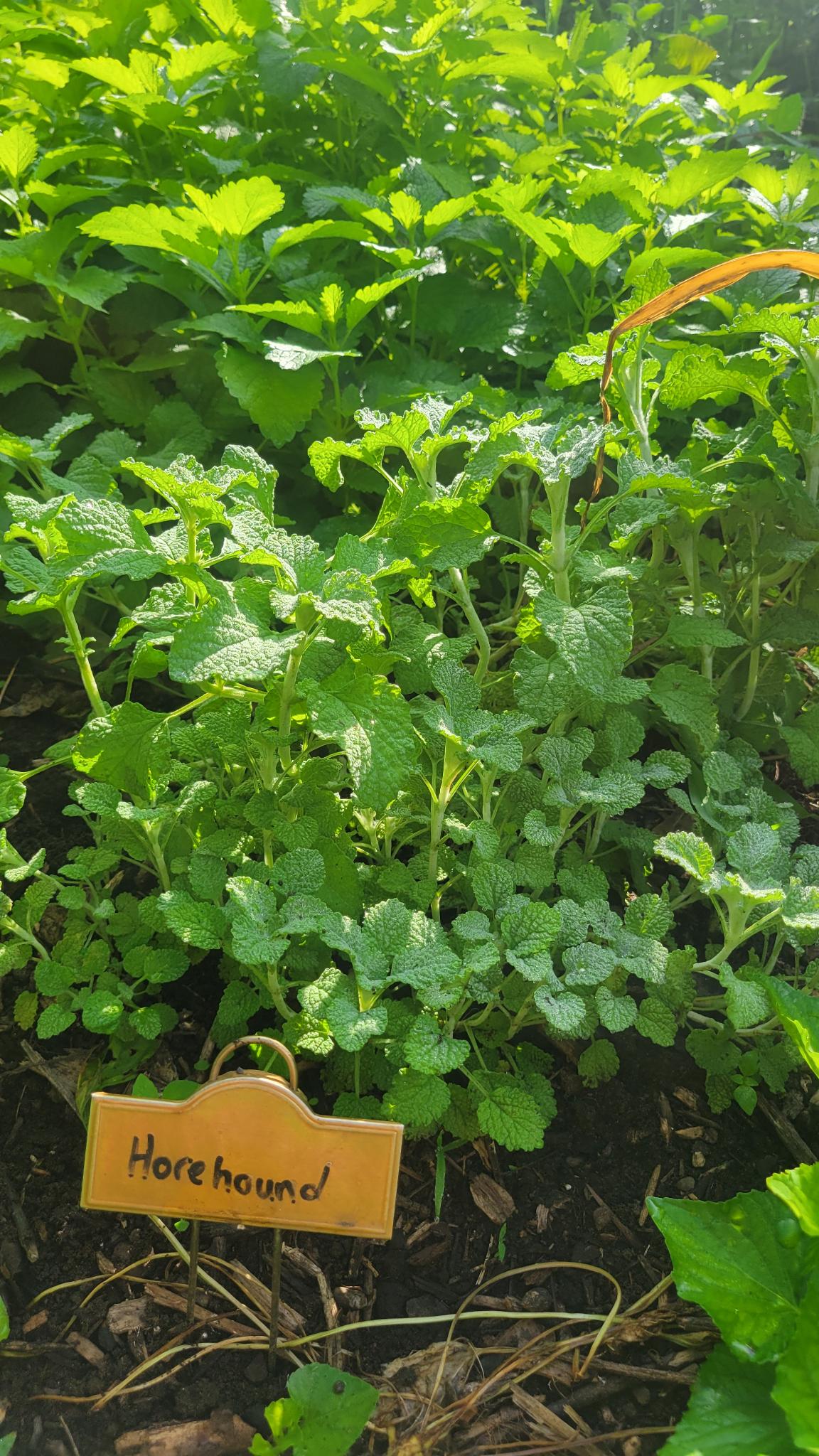
Horehound is a member of the mint family, but it does not taste like peppermint or spearmint. It has a stronger, more bitter, earthy flavor. The leaves are gray-green, slightly fuzzy, and have a rugged, old-world look. It is a hardy perennial herb in many climates and can come back year after year once established.
Medicinal and Traditional Uses
Horehound has traditionally been used to support:
Coughs
Mucus and chest congestion
Throat irritation
Seasonal respiratory discomfort
Lung and bronchial support
Digestive weakness
Poor appetite
Gas and bloating
Sluggish digestion
Homemade cough syrups
Herbal teas
Herbal lozenges and cough drops
The leaves and flowering tops are the parts most commonly used. They can be harvested, dried, and stored for later use in teas, syrups, tinctures, infused honey, or old-fashioned horehound candy.
How Your Plant Will Arrive
Your Horehound plant may be shipped as a bare-root or dry-root plant. This means it may not arrive looking like a full green potted plant. It may look small, dormant, wilted, or dry from shipping, and that is normal for plants that have traveled through the mail.
When your plant arrives, open the package right away. If the roots feel dry, soak them in clean water for about 1 to 3 hours before planting. Do not soak the plant for days. The goal is simply to rehydrate the roots before planting.
Until planted, keep the roots moist and keep the plant out of direct sun, strong wind, and heat. Bare-root plants can dry out quickly if left exposed.
Planting Instructions
Plant Horehound in well-draining soil. This herb does not like soggy ground. It prefers soil that drains well and can handle poorer soil better than many garden plants.
Choose a location with full sun to part sun. Full sun gives the strongest growth, but in very hot climates, a little afternoon shade can help reduce stress while the plant is young.
Dig a hole wide enough for the roots to spread naturally. Place the plant at the same depth it was previously growing, then gently backfill with soil. Water well after planting to help settle the roots.
Mulch lightly around the plant to help hold moisture while it establishes, but do not bury the crown or pile mulch tightly against the stem.
First Care After Shipping
After planting, keep Horehound out of harsh direct sun for the first few days. Morning sun or bright indirect light is best while the plant recovers from shipping. Do not place a newly shipped bare-root plant straight into hot afternoon sun.
Keep the soil lightly moist while the plant wakes up and begins growing. Do not overwater. Horehound is more tolerant of dry conditions once established than it is of wet, heavy soil.
Once you see new growth, gradually move the plant into stronger light. After it has adjusted, Horehound can handle full sun and normal outdoor conditions.
Do not fertilize heavily right away. Let the roots settle first. Once active growth begins, compost or a gentle natural fertilizer can be used if needed.
Long-Term Care
Horehound is a tough, hardy herb once established. It prefers full sun, well-drained soil, and moderate watering. After the plant is established, it does not need rich soil or constant attention.
Water during dry spells, especially during the first year, but avoid keeping the soil soggy. Too much water can cause root problems.
Horehound can be pruned or cut back to encourage bushier growth. Harvest leaves and flowering tops during the growing season. For drying, cut healthy stems, bundle them loosely, and hang them in a warm, dry, shaded area with good airflow. Once fully dry, strip the leaves and store them in an airtight container away from heat and sunlight.
Horehound may self-seed if allowed to flower and go to seed. If you do not want extra plants, cut back the flowers before seed drops. If you want it to spread naturally, allow some flowers to mature.
Harvesting
Harvest Horehound leaves and flowering tops when the plant is actively growing. The best time is usually before or during early bloom when the plant is strong and aromatic.
Use fresh or dry for later. Dried Horehound is commonly used in teas, cough syrups, tinctures, infused honey, and homemade lozenges.
Cold Hardiness
Horehound is a hardy perennial in many regions and is generally well suited for Zones 4–8. In Zone 7, it should return year after year once established. During the first winter, a light mulch around the root zone can help protect young plants.
Best Uses
Horehound is excellent for medicinal gardens, homesteads, survival gardens, cottage gardens, pollinator gardens, and anyone wanting to grow traditional herbs at home. It is especially valuable for those building a home apothecary focused on respiratory and digestive support.
Care Summary
Plant in full sun to part sun. Use well-draining soil. Protect from harsh direct sun for the first few days after shipping. Keep lightly moist while establishing, but do not overwater. Once established, Horehound is hardy, drought tolerant, and easy to grow. Harvest leaves and flowering tops for teas, syrups, tinctures, infused honey, cough drops, and traditional herbal preparations.
Share