Yahuah's Farm
Lemon Grass
Lemon Grass
Couldn't load pickup availability
Lemongrass
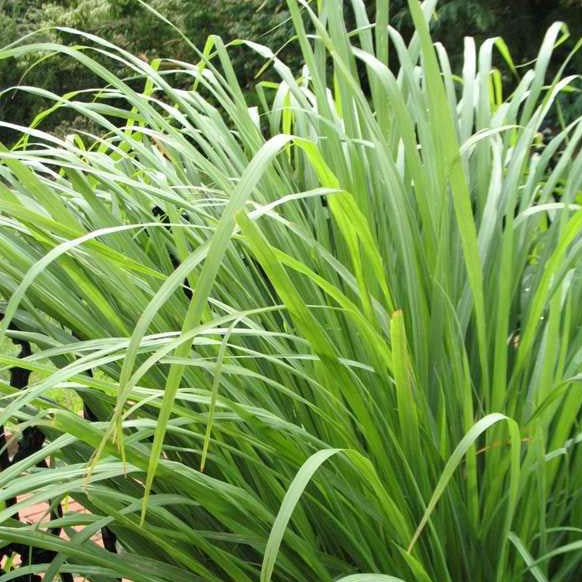
Lemongrass is a beautiful, fragrant, fast-growing herb known for its strong lemon scent, tall grassy leaves, and many uses in the kitchen, herbal traditions, teas, natural body care, and homestead products. It is one of those plants that is both useful and beautiful, making it a wonderful addition to herb gardens, edible landscapes, patios, greenhouses, and container gardens.
Lemongrass grows in thick clumps with long green blades that release a bright lemon fragrance when crushed or cut. It is commonly used in teas, soups, broths, stir-fries, sauces, marinades, herbal blends, and natural products. The lower stalks are especially valued for cooking, while the leaves are often used for teas, infusions, and aromatic preparations.
This plant loves heat, sun, and moisture. In warm climates, Lemongrass can grow into a large perennial clump. In colder climates, it is often grown as a warm-season herb or container plant that can be protected during winter.
Culinary and Traditional Uses
Lemongrass is widely used as both a culinary herb and a traditional wellness herb. Its bright lemon flavor works well in teas, soups, rice dishes, curries, broths, chicken, fish, vegetables, sauces, and herbal drinks. It can be used fresh, dried, chopped, steeped, or infused.
Traditionally, Lemongrass has been valued for digestion, relaxation, circulation, seasonal wellness, and general comfort. It has been used in teas after meals, calming herbal blends, steam preparations, infused oils, soaps, salves, sprays, and natural body care products.
Lemongrass is also loved for its strong aroma. Around the homestead, it is commonly grown near porches, patios, walkways, outdoor sitting areas, and gardens because of its fresh lemon scent.
How Your Plant Will Arrive
Your Lemongrass may be shipped as a young plant, rooted division, bare-root plant, or dry-root plant depending on the season and shipping method. After traveling through the mail, it may look tired, wilted, dry, trimmed back, or smaller than expected. This is normal for shipped plants.
If it arrives as a bare-root or dry-root plant, it may not look like a full green potted plant. Even if it looks like only a rooted clump, crown, or trimmed stem, it is alive and needs to be planted. The life of the plant is in the crown and root system, and with proper care it can recover and begin growing.
When your plant arrives, open the package right away. If the roots feel dry, soak only the roots in clean water for about 30 minutes to 1 hour before planting. Do not soak the whole plant for days. The goal is only to rehydrate the roots before planting.
Until planted, keep the roots moist and keep the plant out of direct sun, strong wind, and extreme heat. Shipped plants should not be placed straight into hot afternoon sun when they first arrive.
If you cannot plant the same day, keep the roots wrapped in slightly damp paper towel, damp peat, or damp soil and place the plant somewhere cool, shaded, and protected for a short time. Plant as soon as possible for the best chance of success.
First Care After Shipping
After planting, keep your Lemongrass in shade, bright indirect light, or gentle morning sun for the first few days. Do not place a newly shipped or stressed plant straight into harsh afternoon sun. It needs time to recover from shipping and adjust to its new location.
Keep the soil lightly moist while the plant settles in, but do not keep it soggy. Lemongrass likes moisture, but it still needs good drainage. Wet, heavy soil can stress the roots.
Do not fertilize heavily right away. Let the plant settle and begin growing first. Once new growth appears, compost or a gentle natural fertilizer can be used.
After the plant begins to perk up and show new growth, gradually increase sunlight until it is growing in its permanent location.
Planting Instructions
Plant Lemongrass in rich, well-draining soil. It loves warmth, moisture, fertility, and full sun. For best growth, choose a location that receives at least 6 hours of sunlight per day.
If planting in the ground, space plants where they have room to form a full clump. Lemongrass can become large during the growing season, especially in warm weather.
If growing in a container, use a pot with drainage holes and a good-quality potting mix. A larger pot is better because Lemongrass grows quickly and forms a thick root system. Container growing is a great option in colder climates because the plant can be moved into protection before winter.
Plant at the same depth it was previously growing. Do not bury the crown too deep. Firm the soil gently around the roots and water well after planting.
Long-Term Care
Lemongrass grows best in full sun, warm temperatures, rich soil, and steady moisture. Water regularly during hot weather, especially while the plant is actively growing. The soil should stay evenly moist but not waterlogged.
Feed during the growing season with compost, worm castings, or a gentle natural fertilizer. Lemongrass is a fast grower and appreciates good nutrition.
Trim leaves as needed for use. Regular cutting can encourage fresh new growth. If the plant becomes too large, it can be divided and replanted.
In the garden, Lemongrass can become a beautiful tall clump that adds movement, fragrance, and usefulness. In containers, it can be kept smaller by harvesting and dividing when needed.
Cold Hardiness
Lemongrass is a tropical grass and does not tolerate hard freezes. In warm climates, it can grow as a perennial. In Zone 7 and colder areas, it should be treated as a warm-season herb, container plant, or greenhouse plant.
In Arkansas and similar climates, Lemongrass can grow very well during the warm season, but it needs winter protection. Before freezing weather, move container plants into a greenhouse, sunroom, bright window, or protected indoor area.
If grown in the ground, Lemongrass may die back after frost. In some protected spots with heavy mulch, the crown may survive mild winters, but it should not be counted on in hard freezes. For the safest results, grow it in a pot or dig and divide part of the clump before winter.
Harvesting
Harvest Lemongrass once the plant is actively growing and has enough leaves to spare. The leaves can be cut for tea, drying, herbal blends, and aromatic use. The thicker lower stalks can be used for cooking.
To harvest leaves, cut blades a few inches above the base. To harvest stalks for cooking, cut or pull a mature stalk from the outside of the clump. Use fresh or dry for later.
To dry Lemongrass, cut the leaves into shorter pieces and dry them in a warm, shaded, well-ventilated area. Once fully dry, store in an airtight container away from heat, moisture, and direct sunlight.
Best Uses
Lemongrass is excellent for herb gardens, tea gardens, culinary gardens, medicinal gardens, patios, greenhouse growing, container gardens, natural body care products, and homestead use. It is useful for teas, soups, broths, sauces, stir-fries, herbal blends, infused oils, soaps, salves, sprays, and natural aromatic products.
It is also a wonderful plant for those wanting to grow more useful herbs at home instead of depending on store-bought ingredients.
Care Summary
Plant in full sun with rich, well-draining soil. Protect from harsh direct sun for the first few days after shipping. Keep lightly moist while establishing, but do not overwater. Remember, even if it arrives looking like only a rooted clump, crown, or trimmed stem, it is alive and needs to be planted. Lemongrass loves heat, sun, moisture, and fertility. In Zone 7 and colder areas, grow in a container or protect before freezing weather.
Share