Yahuah's Farm
LSU TIGER FIGS
LSU TIGER FIGS
Couldn't load pickup availability
LSU Tiger Fig (Ficus carica ‘LSU Tiger’)
A standout variety from Louisiana State University’s fig breeding program, LSU Tiger produces strikingly beautiful fruit and reliable crops in USDA Zone 7 (with winter protection). This semi‑vigorous tree typically reaches 8–12 feet tall in the ground (or stays around 4–6 feet in a large container), making it ideal for both garden beds and patio planters.
Fruit Characteristics & Flavor
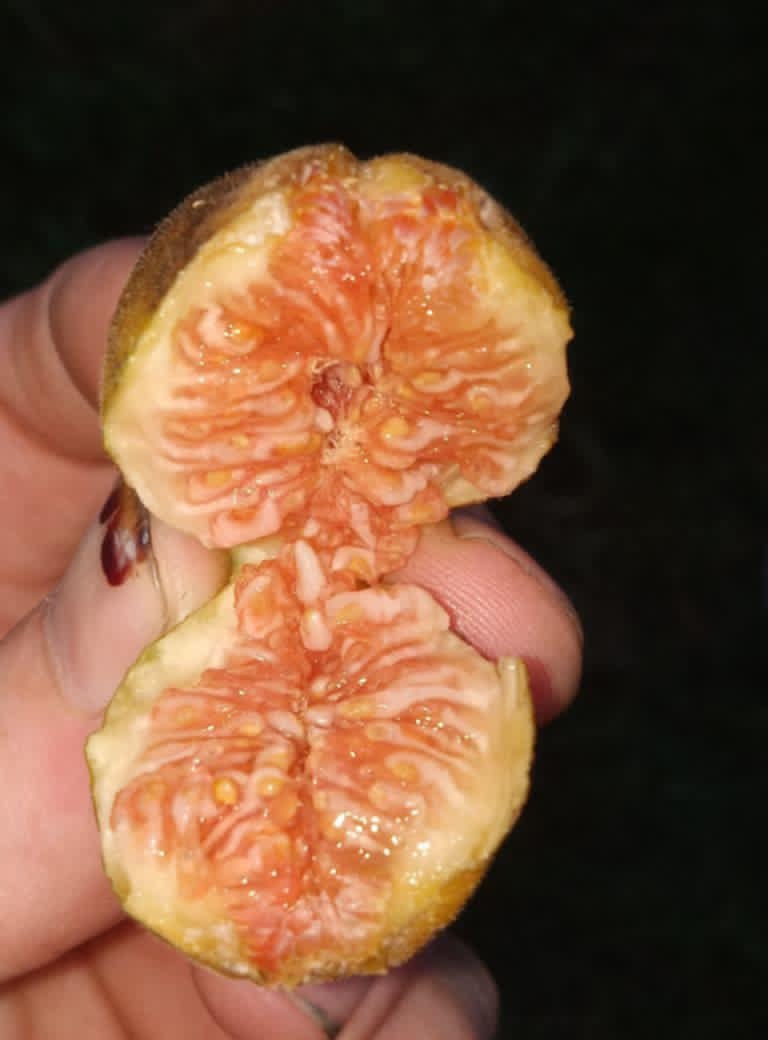
Each medium‑to‑large fig boasts a yellow‑green exterior streaked with brownish‐purple “tiger” stripes, giving it a truly ornamental appeal. Inside, the soft, amber‑orange flesh is exceptionally sweet, with rich honey and berry undertones. Fruits ripen in two waves—early summer and late summer—offering a delicious, tender crop each season.
Growth Habits & Hardiness
LSU Tiger exhibits moderately vigorous growth and forms a dense, bushy canopy with large, three‑lobed leaves. It tolerates brief dips to 10 °F when dormant, but for Zone 7 climates (like Arkansas), mulch or burlap wrap over the winter will ensure top performance year after year.
Soil, Water & Sun Requirements
Plant in well‑drained, fertile soil amended with organic matter; a slightly acidic to neutral pH (6.0–7.0) is optimal. Provide full sun (6–8 hours daily) for best fruit coloration and sugar development. Water deeply but infrequently—allow the top 2 inches of soil to dry between waterings—to encourage strong root systems and reduce split fruit.
Pest & Disease Resistance
LSU Tiger shows good resistance to common fig diseases like rust and fig mosaic. Watch for scale insects and slugs; regular inspections and prompt, organic treatments (horticultural oil for scale, diatomaceous earth for slugs) will keep your tree healthy.
Culinary Uses & Nutritional Benefits
Enjoy fresh off the branch, or transform your harvest into luscious jams, preserves, or dehydrated snacks. Figs are a natural source of dietary fiber, potassium, calcium, and antioxidants, supporting digestive health and heart function.
How to Grow LSU Tiger Fig
-
Planting: In spring, set bare‑root or containerized trees at soil level, spacing 8–10 feet apart or placing a single specimen in a 15–20 gallon container filled with quality potting mix.
-
Fertilizing: Apply a balanced fertilizer (e.g., 8‑8‑8 NPK) in early spring before growth begins and again in midsummer, following label rates.
-
Pruning: After harvest, remove dead or crowded branches to improve airflow. For container trees, trim back to maintain desired size.
-
Winter Protection: In colder areas of Zone 7, mulch heavily around the root zone and wrap the canopy with breathable burlap. For containers, move trees to an unheated garage or cloche.
-
Harvesting: Harvest figs when they bend at the neck, feel soft, and droop slightly on the stem. Check daily during peak ripening to enjoy them at peak sweetness.
Bring the exotic beauty and delectable taste of LSU Tiger figs to your website—perfect for gardeners, urban growers, and fig enthusiasts alike!
Share