Yahuah's Farm
Murasaki Japanese Sweet Potato Slips
Murasaki Japanese Sweet Potato Slips
Couldn't load pickup availability
Murasaki Japanese Sweet Potato Slips
Ipomoea batatas
Murasaki Japanese Sweet Potato is a highly valued sweet potato variety known for its beautiful purple skin, creamy white flesh, excellent flavor, and strong garden performance. It is one of the best sweet potatoes for those who want a reliable, productive crop with outstanding eating quality. The roots are sweet, smooth, and rich-tasting when cooked, making them excellent for baking, roasting, frying, mashing, soups, and homestead storage.
This variety is often loved for its drier, chestnut-like texture compared to many orange-fleshed sweet potatoes. When baked or roasted, Murasaki develops a rich sweetness and firm, creamy texture that makes it one of the best eating sweet potatoes available. It is a great choice for families wanting a dependable food crop that stores well and provides a large harvest from a small amount of space.
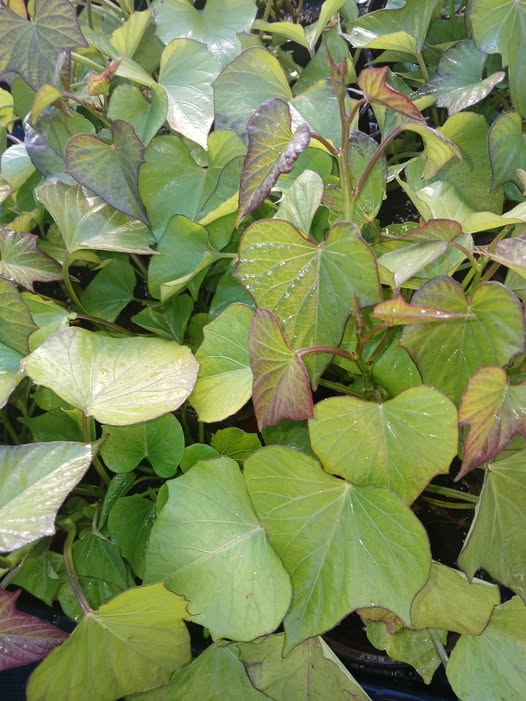
Murasaki is also valuable because the entire growing season can provide food, not just the roots at harvest time. Sweet potato vines produce edible leaves and tender tips that can be harvested throughout the warm season. The young leaves and vine tips can be cooked like spinach, added to stir-fries, soups, eggs, rice dishes, broths, or sautéed as greens. This makes sweet potatoes one of the most useful crops in the garden because they can provide both summer greens and fall roots.
Sweet potato leaves are valued as a nutritious leafy green. Like many dark greens, they may provide vitamins, minerals, antioxidants, fiber, and beneficial plant compounds. They are commonly recognized for nutrients such as vitamin C, vitamin K, beta-carotene, iron, calcium, magnesium, potassium, and polyphenol antioxidants, depending on soil quality and growing conditions. This makes Murasaki not only a root crop, but also a season-long leafy food source.
Murasaki Japanese Sweet Potatoes grow best in warm weather, loose well-draining soil, and full sun. They need heat to thrive and should be planted only after the soil has warmed and all danger of frost has passed. Sweet potatoes do not like cold soil. For best production, plant slips into loose, fertile soil with good drainage and steady moisture while they establish. Once rooted and growing, they are fairly tough and can handle summer heat well.
Give plants plenty of room to vine. Sweet potatoes can be grown in garden beds, raised beds, large containers, grow bags, or rows. Loose soil helps the roots size up properly. Avoid heavy nitrogen feeding, which can produce lots of vine growth but fewer large roots. Compost, aged manure, minerals, and balanced soil fertility are better than pushing too much nitrogen.
Harvest the roots before frost, once they have had a full warm growing season to size up. After harvest, sweet potatoes should be cured in a warm, humid place to improve sweetness and storage quality. Proper curing helps the skins toughen and improves the flavor over time.
Shipping & Arrival Care for Sweet Potato Slips
These are shipped as sweet potato slips, not fully rooted potted plants. Slips are young vine starts grown from sweet potato roots. They may arrive with little to no roots, and that is normal. Sweet potato slips are meant to root quickly once planted in warm, moist conditions.
Your slips may look tired, wilted, or limp when they arrive in the mail. This is normal. They have been boxed, shipped, and kept away from light during transit. Do not place them directly into full sun when they arrive.
Open the package right away when your slips arrive. Carefully remove the slips and check their condition. If the stems look dry or wilted, place the bottom ends of the slips in a cup of clean water for several hours, or overnight if needed. Keep the leaves above the water and only place the lower stem ends in water. This helps them rehydrate before planting.
For the first 3 days after arrival, keep the slips in shade or bright indirect light only. Do not place them in direct sun right away. Direct sun too soon can burn the leaves, dry the stems, and cause transplant shock. Shade recovery is very important after shipping.
After the slips have had time to rehydrate and recover, plant them into warm soil. Plant the lower portion of the stem several inches deep, leaving the top leaves above the soil. Sweet potatoes root from the buried stem nodes, so planting part of the stem under the soil helps the slip establish stronger roots.
Water well after planting and keep the soil evenly moist while the slips are rooting. Do not let the soil dry out during the first week. The slips may wilt some after planting, especially during warm weather, but they usually recover once roots begin forming. Keep them protected from harsh afternoon sun for the first few days after planting, then slowly transition them into full sun.
Once established and actively growing, Murasaki Sweet Potatoes prefer full sun, warm temperatures, and steady moisture. They do not like cold, wet soil, and they should not be planted outside until nights are warm and frost danger has fully passed. If weather is still cool, keep slips protected until planting conditions improve.
Murasaki Japanese Sweet Potato is a productive, flavorful, dual-purpose food crop that provides edible greens during the growing season and delicious storage roots at harvest. It is one of the best crops for gardeners who want beauty, nutrition, flavor, and serious food production from one plant.
Share