Yahuah's Farm
Passionflower
Passionflower
Couldn't load pickup availability
Passionflower
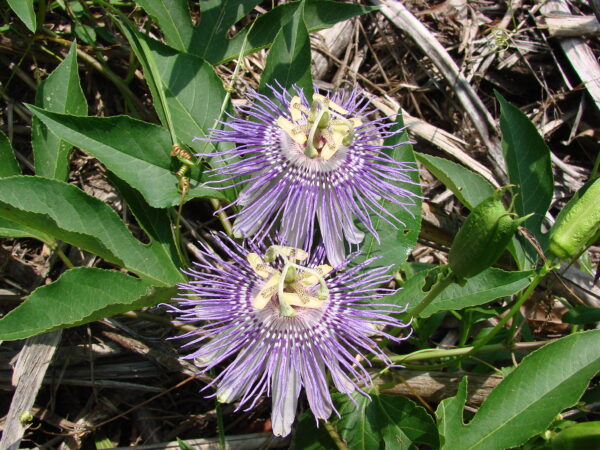
Passionflower is a beautiful climbing vine with some of the most unique flowers you can grow in the medicinal garden. It is valued for its beauty, its usefulness, its pollinator support, and its long history in traditional herbalism. Passionflower is especially known as a calming herb and is commonly grown for teas, tinctures, glycerites, and nighttime wellness blends.
This plant is a wonderful choice for homesteads, herb gardens, fence lines, trellises, arbors, pollinator gardens, and naturalized areas where it has room to climb and spread. Once established, Passionflower can be a strong, dependable perennial in many areas, including Zone 7.
Medicinal Properties & Traditional Uses
Passionflower has traditionally been used as a calming nervous system herb. It is often used when the body is tense, restless, overstimulated, or struggling to settle down. The leaves, vines, and flowers are the parts most commonly used in herbal preparations.
Traditionally, Passionflower has been used to support:
Restful sleep
Calmness and relaxation
Stress response
Nervous system support
Restlessness
Tension
Mild anxious feelings
Mood balance
Muscle relaxation
Nighttime herbal blends
Passionflower is commonly prepared as a tea, tincture, glycerite, or infused into calming herbal formulas. It blends well with lemon balm, skullcap, chamomile, lavender, motherwort, holy basil, valerian, and hops.
Besides its medicinal use, Passionflower is also a great pollinator plant. Its flowers attract bees, butterflies, and beneficial insects, and it is also connected to gulf fritillary butterflies as a host plant.
How to Care for Your Plant After Shipping
When your Passionflower arrives in the mail, open the package as soon as possible. Live plants may look wilted, tired, or stressed after shipping, especially after being in a dark box. This is normal and does not mean the plant is dead.
Carefully remove the plant from the package and check the soil moisture. If the soil is dry, water it gently. If the soil is already moist, do not soak it again. Passionflower likes moisture while getting established, but it does not like sitting in soggy soil.
Place the plant in a shaded, protected area for about 2 to 3 days after arrival. A covered porch, shaded greenhouse bench, or shaded spot under a tree works well. Do not put it straight into hot full sun the same day it arrives. Let it recover from shipping stress first.
After a few days, slowly introduce it to more sunlight before planting it in its final location.
Planting Instructions
Passionflower grows best in full sun to part sun. In hot climates, it can benefit from a little afternoon shade, but it will usually flower best with plenty of sunlight.
Choose a location with well-drained soil and something for the vine to climb. A trellis, fence, cattle panel, arbor, or garden structure works well. Passionflower is a climbing vine and will naturally want support as it grows.
Dig a hole slightly larger than the root ball. Place the plant so the soil level in the pot matches the soil level in the ground. Backfill gently, press the soil around the roots, and water it in well.
For the first couple of weeks, keep the soil evenly moist while the plant gets established. Once established, Passionflower becomes much tougher and can handle normal garden conditions well.
Ongoing Care
Passionflower is a vigorous vine once it gets settled. It may spread by underground runners, depending on the variety and growing conditions. This can be helpful if you want a strong perennial patch, but it is good to plant it where it has room to grow.
Water during dry spells, especially during the first year. Mulching around the base can help hold moisture, protect the roots, and reduce weeds.
Passionflower may die back in winter and return from the roots in spring. Do not assume it is dead if the top growth disappears after frost. In Zone 7, many hardy Passionflower types return from the root system when warm weather comes back.
You can prune vines as needed to control growth, shape the plant, or harvest for medicine. If grown on a trellis or fence, guide the vines as they grow.
Harvesting for Medicinal Use
The aerial parts are used medicinally, meaning the leaves, vines, tendrils, and flowers. Harvest when the plant is actively growing and healthy, ideally when it is beginning to flower or flowering.
Cut sections of vine, then dry them in a shaded, warm, well-ventilated area. Once fully dry, store in an airtight container away from heat, light, and moisture.
Passionflower can be used for:
Tea
Tincture
Glycerite
Sleep blends
Calming blends
Herbal baths
Relaxation formulas
For tea, Passionflower is often steeped covered to help preserve its delicate properties. It pairs especially well with lemon balm and chamomile for a gentle evening tea.
Growing Summary
Passionflower prefers full sun to part sun, well-drained soil, regular moisture while young, and a trellis or fence to climb. Once established, it can be hardy, vigorous, and low maintenance. It is a beautiful medicinal vine that supports pollinators, brings stunning flowers, and provides a useful calming herb for the home apothecary.
This is a wonderful plant for anyone wanting to grow their own medicinal tea garden, calming herb garden, pollinator space, or homestead wellness garden.
Disclaimer: This plant and information are offered for educational and traditional use purposes only. This product is not intended to diagnose, treat, cure, or prevent any disease. Always research herbs carefully and consult a qualified healthcare provider before using herbs medicinally, especially if pregnant, nursing, taking sedatives, using anxiety or sleep medications, taking blood pressure medications, or managing a medical condition.
Share