Yahuah's Farm
Rungia Mushroom Plant
Rungia Mushroom Plant
Couldn't load pickup availability
Rungia Mushroom Plant
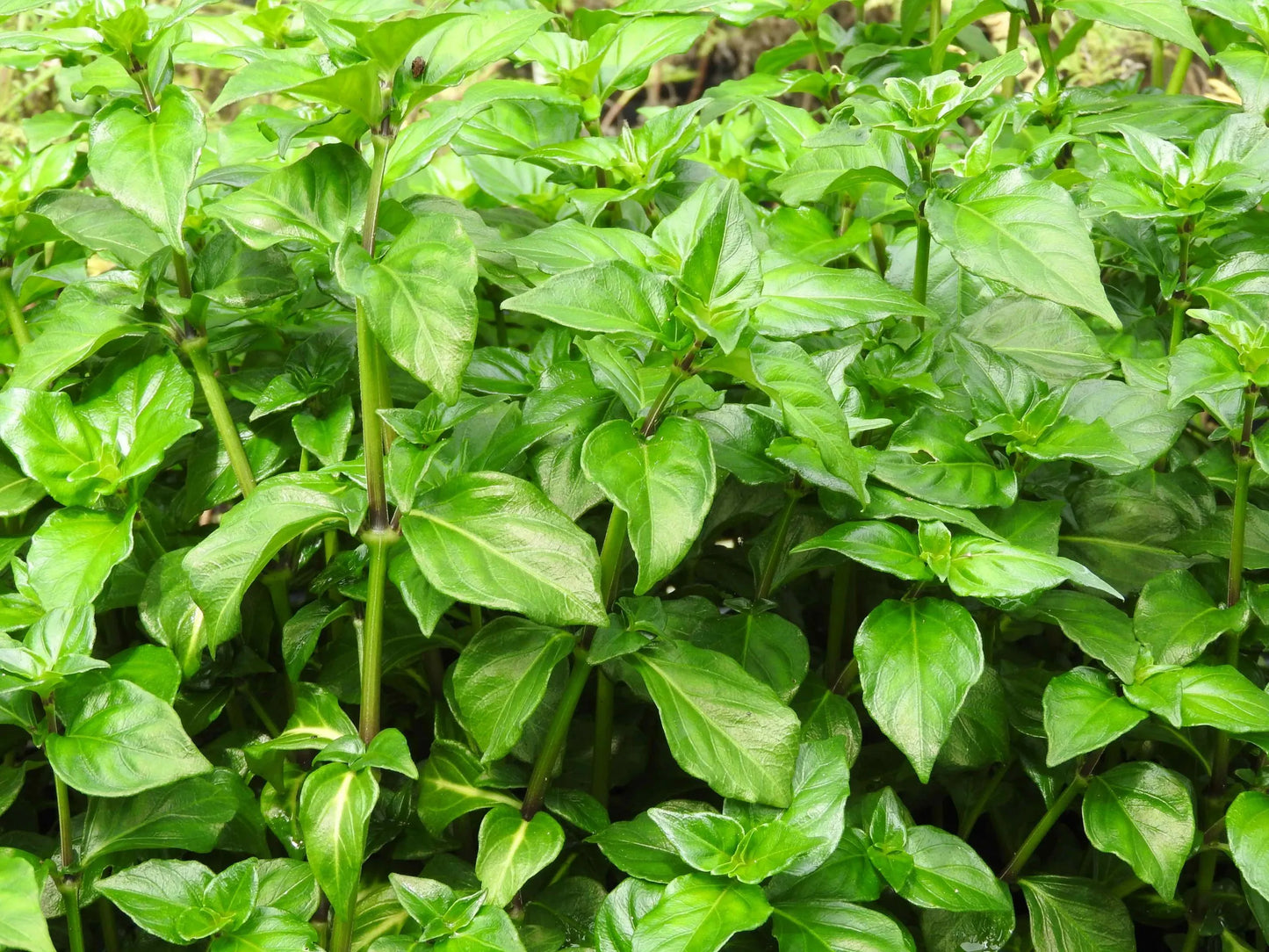
Rungia, commonly called Mushroom Plant, is a unique edible green known for its rich, savory flavor that many people describe as mushroom-like. This is a wonderful plant for anyone wanting something different in the garden, kitchen, greenhouse, or homestead food system.
The leaves are the main part used, and they can be eaten fresh or cooked. Mushroom Plant is especially useful because it provides tender greens with a deeper flavor than many common leafy herbs. It is a great plant for stir-fries, soups, eggs, rice dishes, sautés, salads, wraps, broths, and savory herbal cooking.
This is a great choice for the homestead because it is both useful and uncommon. It can be grown as a warm-season outdoor plant or kept in a pot and overwintered indoors or in a greenhouse.
Edible & Traditional Uses
Mushroom Plant is best known as an edible herb and leafy green. The leaves have a mild savory taste that becomes stronger when cooked. It is often used as a food plant more than a medicinal plant, but like many leafy greens, it brings nutritional value to the garden and table.
Traditionally and practically, Mushroom Plant has been used as:
A fresh salad green
A cooked leafy vegetable
A savory herb for soups and stews
A stir-fry green
A flavoring herb for rice and noodle dishes
A container plant for year-round harvesting
A greenhouse herb
A unique market garden specialty crop
A perennial food plant in warm climates
The leaves are tender and can be harvested regularly once the plant is growing well. Young leaves are best for fresh eating, while older leaves are excellent cooked.
Medicinal & Nutritional Value
Mushroom Plant is primarily grown as an edible green, but it is still valuable as a nourishing plant. Like many dark leafy greens, it may contribute minerals, chlorophyll, antioxidants, and plant-based nutrients to the diet.
It has traditionally been appreciated for:
General nourishment
Leafy green nutrition
Digestive-friendly cooked greens
Mineral-rich garden food
Fresh green food during the growing season
Supporting a diverse, plant-rich diet
This is not usually considered a strong medicinal herb like echinacea, ashwagandha, or blue vervain. Its strength is as a highly useful edible plant that can help bring more homegrown greens into the kitchen.
How to Care for Your Plant After Shipping
When your Rungia Mushroom Plant arrives in the mail, open the package as soon as possible. The plant may look wilted, tired, or stressed after shipping, especially after being in a dark box. This is normal and does not mean the plant is dead.
Carefully remove the plant from the package and check the soil moisture. If the soil is dry, water it gently. If the soil is already moist, do not soak it again.
Place the plant in a shaded, protected area for about 2 to 3 days after arrival. A covered porch, shaded greenhouse bench, or shaded spot under a tree works well. Do not place it straight into hot full sun the same day it arrives. Let it recover from shipping stress first.
After a few days, slowly introduce it to brighter light before planting or repotting.
Planting Instructions
Mushroom Plant prefers warm weather, rich soil, regular moisture, and protection from frost. It can be grown in the ground during the warm season, but in Zone 7 it is best treated as a tender perennial or container plant that can be brought indoors or into a greenhouse before cold weather.
Choose a location with morning sun and afternoon shade, or bright filtered light. In very hot weather, Mushroom Plant usually appreciates some protection from harsh afternoon sun.
Plant it in fertile, well-drained soil with plenty of compost or organic matter. It likes moisture better than dry conditions, but it should not sit in soggy soil.
Dig a hole slightly larger than the root ball. Place the plant so the soil level in the pot matches the soil level in the ground. Backfill gently, press the soil around the roots, and water it in well.
For the first couple of weeks, keep the soil evenly moist while the plant gets established.
Ongoing Care
Mushroom Plant grows best with regular watering and warm temperatures. Keep the soil lightly moist, especially during hot weather. Mulching around the plant can help hold moisture and protect the roots.
This plant responds well to regular harvesting. Pinching or cutting the growing tips encourages it to branch out and become fuller. The more it branches, the more leaves it can produce.
Mushroom Plant is not frost hardy in cold areas. Before frost, it should be moved indoors, placed in a greenhouse, or kept as a potted plant in a warm protected area. In winter, give it bright light and reduce watering slightly, but do not let it completely dry out.
If grown in a pot, use a good-quality potting mix and make sure the container drains well. It can be grown on a porch, patio, greenhouse bench, or sunny window area.
Harvesting for Kitchen Use
Harvest leaves once the plant is growing strong and has enough growth to spare. Pick individual leaves or cut stem tips to encourage branching.
The leaves can be used fresh or cooked. Fresh leaves have a mild mushroom-like flavor and are good in small amounts in salads or wraps. Cooking brings out more of the savory flavor, making it excellent for:
Stir-fries
Soups
Stews
Egg dishes
Rice dishes
Pasta
Broth
Vegetable sautés
Savory herb mixes
For best flavor and tenderness, harvest young leaves regularly.
Growing Summary
Rungia Mushroom Plant prefers warm weather, fertile soil, regular moisture, and bright light with some afternoon shade in hot climates. It is a tender perennial, meaning it should be protected from frost in Zone 7. It grows well in containers and can be overwintered indoors or in a greenhouse.
This is a wonderful edible plant for anyone wanting a unique, savory, homegrown green that can be harvested again and again through the growing season.
Share