Yahuah's Farm
Andrographis
Andrographis
Couldn't load pickup availability
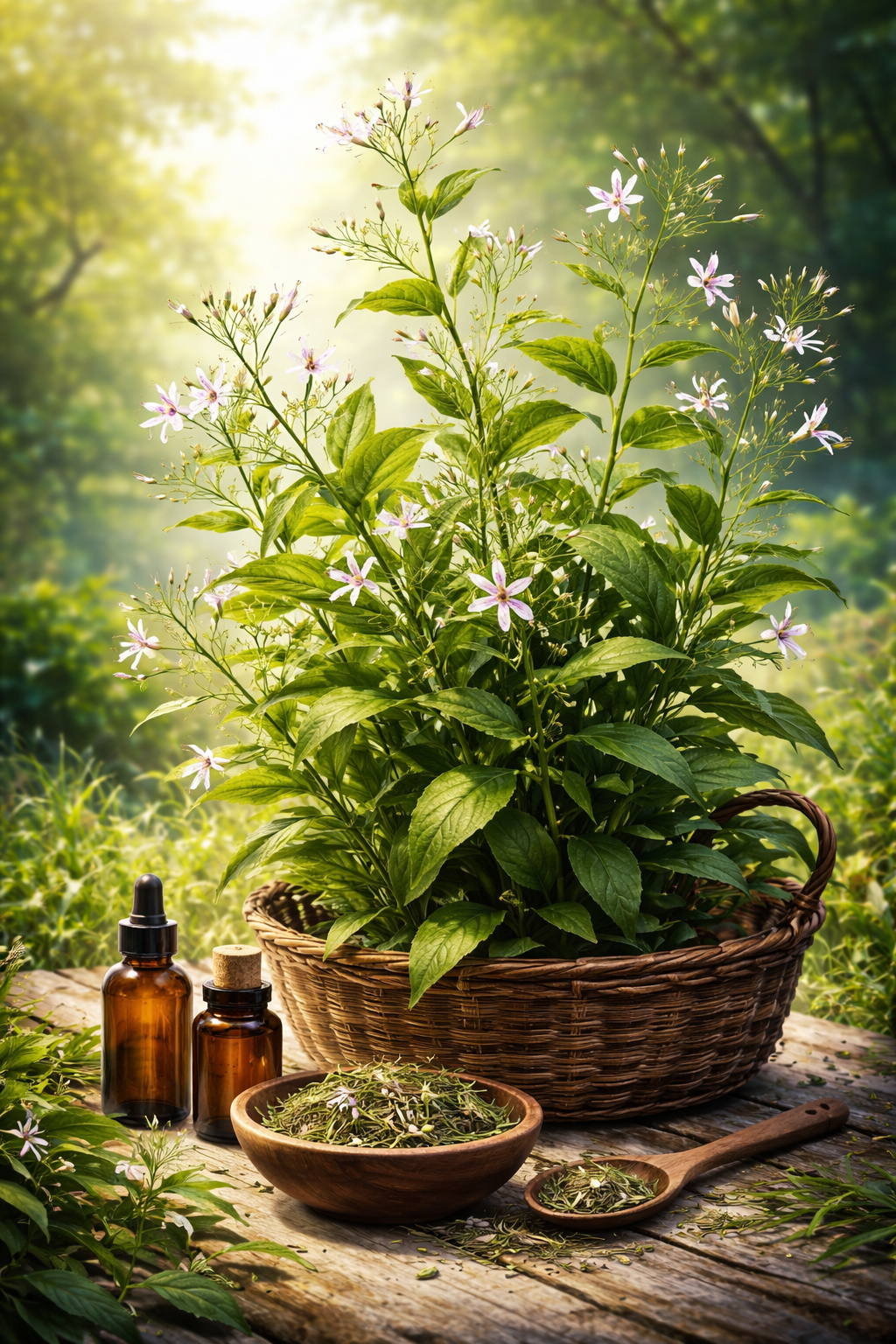
Andrographis (Andrographis paniculata) — Organic Seeds
Common Name: King of Bitters, Kalmegh
🌱 Certified Organic Growing Practices
All seeds sold by Yahuah’s Farm are organic, non-GMO, and free from chemical coatings or synthetic treatments. We believe medicine should begin in clean soil — and that starts with clean seed.
Andrographis is a fast-growing medicinal herb traditionally used across Ayurvedic, Chinese, and Southeast Asian herbal systems—best known for its intensely bitter leaves and its historical use for seasonal immune support, fevers, and respiratory wellness.
Key Plant Notes (Quick Facts)
-
Botanical name: Andrographis paniculata
-
Common names: Andrographis, Kalmegh, King of Bitters
-
Life cycle: Perennial in tropical/subtropical climates; grown as an annual where frost occurs
-
Mature size: commonly 12–30 in (varies by conditions)
-
Best climate: warm, humid, frost-free growing season
Medicinal Properties (Traditional + What Research Suggests)
Important note for your website: You can describe traditional uses and “research suggests” style statements, but avoid claiming it “cures” specific diseases.
Traditionally used for
-
Seasonal immune support / colds
-
Fever support
-
Respiratory comfort
-
Digestive “heat” / bitter tonic use (bitters are historically used to support digestion)
(These traditional patterns are widely cited across herbal medicine systems.)
Studied / observed actions (lab + clinical interest)
Major references describe andrographis as having:
-
Anti-inflammatory activity
-
Antioxidant activity
-
Immune-modulating activity (supports healthy immune response)
-
Antimicrobial activity (lab observed)
MSKCC (Memorial Sloan Kettering Cancer Center) summarizes these commonly reported actions and traditional uses.
Main active compound
-
Andrographolide is the best-known constituent and is a major reason andrographis is widely studied.
HOW TO GROW ANDROGRAPHIS FROM SEED (Complete Guide)
Best Zones / Climate
-
USDA Zones: Perennial only in frost-free/tropical climates (commonly comparable to Zone 10+ conditions). In most of the U.S., grow it as an annual.
-
Frost: will not survive frost — transplant out only after nights are warm.
When to Start Seeds
-
Indoors: start 6–8 weeks before last frost (recommended where the warm season is shorter).
-
Outdoors (direct sow): only when soil temps are warm and frost risk is gone (best in long warm seasons).
Germination Requirements (This matters a lot)
Andrographis seed can have uneven germination/dormancy, so don’t panic if it comes up in waves.
Step-by-step seed starting (best method)
-
Use a fine seed-starting mix (well-draining).
-
Surface sow: press seed into the soil but do not bury deeply.
-
Light helps germination.
-
-
Keep consistently moist (not soggy).
-
Warmth is key: target around 77°F / 25°C for best germination results.
-
Germination timing: often about 1–2 weeks under ideal conditions, but may be irregular and staggered.
Optional germination boost (advanced tip)
-
Some growers use a brief hot-water soak approach to help speed germination, with reports of improved results (still can be staggered).
Potting Up & Transplanting
-
Transplant once seedlings have several true leaves and the weather is consistently warm.
-
Harden off for 5–7 days (shade → sun gradually).
Sunlight
-
Full sun to part shade. In very hot climates, a little afternoon shade can help.
Soil
-
Well-drained soil is important.
-
Tolerates average soils, but does best with fertile, crumbly soil and organic matter.
-
A slightly acidic to neutral range is commonly recommended by growers.
Watering
-
Keep evenly moist while establishing.
-
Once established, it prefers consistent moisture (don’t let it stay bone dry for long), but avoid waterlogged soil.
Spacing
-
Give it room to bush out:
-
Home garden spacing commonly ranges 12–24 inches depending on your goal.
-
Field cultivation research often uses closer spacing to maximize biomass and quality.
-
Feeding
-
If planted in decent soil/compost, it usually doesn’t need heavy feeding.
-
For faster leafy growth: a light compost top-dress or gentle organic fertilizer during the grow season.
Common Problems (and how to avoid them)
-
Damping off (seedlings): avoid soggy soil, improve airflow, bottom-water if needed.
-
Slow/uneven germination: normal for this species—keep trays warm and lightly moist; some seeds may sprout later.
-
Cold stress: it stalls fast when nights are cool—wait for real warmth.
Harvesting (for Herbal Use)
-
Leaves and tender tops are the typical harvest.
-
For many growers, harvesting around pre-flower to early flower is common for strong leaf yield and potency (especially when grown for bitter compounds).
-
Harvest in the morning after dew dries; dry quickly with good airflow for best quality.
Seed Saving (If Customers Ask)
-
Allow flowers to mature into seed pods.
-
Harvest pods when they begin to brown/dry, then finish drying in a paper bag.
-
Winnow and store seed cool/dry/dark.
Share