Yahuah's Farm
Tansy
Tansy
Couldn't load pickup availability
Tansy
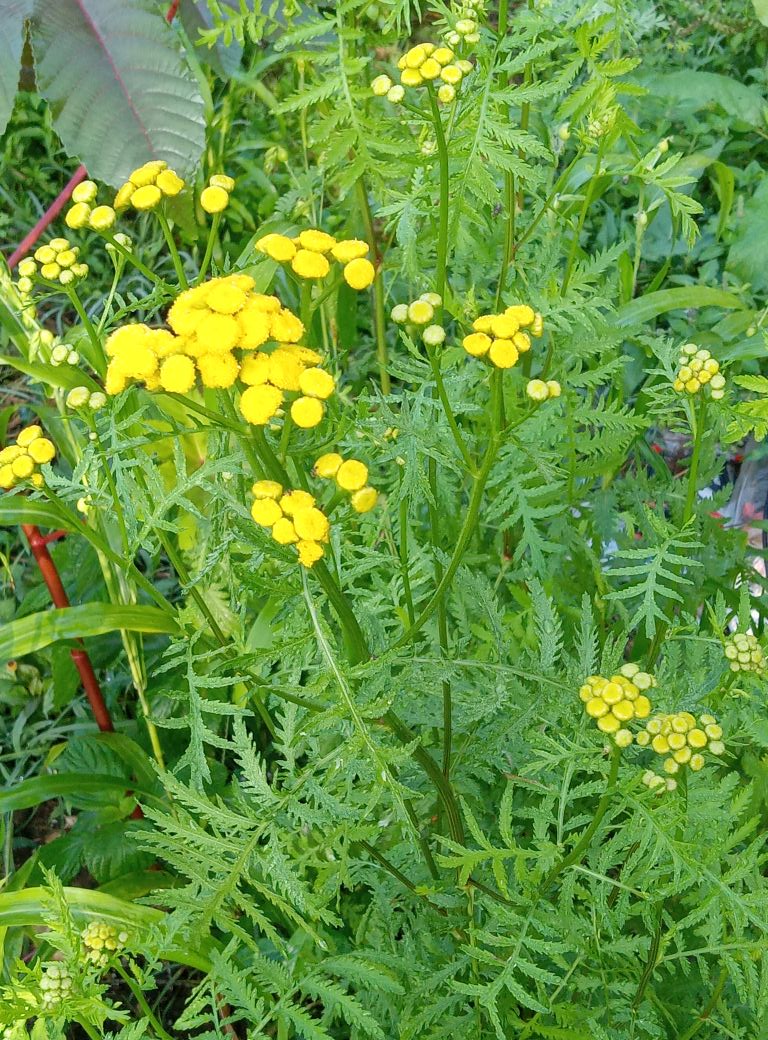
Tansy is a strong, old-fashioned perennial herb with a long history of use around homesteads, gardens, barns, and traditional herb gardens. It is known for its fern-like leaves, upright growth, strong herbal scent, and bright yellow button-like flowers. This is one of those plants that was once commonly grown because it had practical uses beyond just looking pretty.
Tansy has traditionally been valued as a garden herb, insect-repelling plant, companion plant, and old-time homestead herb. Its strong scent has made it useful around garden borders, animal areas, compost areas, and places where people wanted a natural aromatic plant to help discourage certain pests. It is also loved by many beneficial insects when in bloom.
This is a tough perennial that can return year after year once established. It is not a delicate plant. Tansy can handle heat, average soil, and less-than-perfect conditions, making it a good choice for homesteads, medicinal gardens, pollinator areas, and survival-style plantings.
Important Note
Tansy is a powerful herb and should be respected. It is not a casual edible herb and should not be used like mint, basil, oregano, or rosemary. Tansy contains strong natural compounds and can be toxic if misused, especially internally. It should not be taken internally without professional guidance, and it should be kept away from children, pets, and livestock that may eat it.
At Yahuah’s Farm, we value Tansy mainly as a useful homestead plant, garden plant, insect-repelling herb, pollinator plant, and traditional medicinal herb for knowledgeable use.
Traditional and Homestead Uses
Tansy has traditionally been used for garden and homestead purposes such as natural insect-repelling plantings, garden borders, dried herb bundles, animal area plantings, compost area plantings, and old-fashioned herbal preparations.
It has been historically associated with helping discourage flies, ants, fleas, mosquitoes, moths, and other unwanted insects. Many homesteaders have grown it near walkways, doorways, coops, barns, compost piles, and garden edges for this reason.
The flowers are bright yellow, round, and button-like, making the plant attractive in the garden. When blooming, Tansy can also draw in beneficial insects and pollinators, adding value beyond its traditional pest-deterring reputation.
How Your Plant Will Arrive
Your Tansy may be shipped as a young plant, rooted cutting, bare-root plant, or dry-root plant depending on the season and shipping method. After traveling through the mail, it may look tired, wilted, dry, small, or dormant. This is normal for shipped plants.
If it arrives as a bare-root or dry-root plant, it may not look like a full green potted plant. Even if it looks like only a root or rooted stem, it is alive and needs to be planted. The life of the plant is in the root system, and with proper care it can recover and begin growing.
When your plant arrives, open the package right away. If the roots feel dry, soak only the roots in clean water for about 1 to 2 hours before planting. Do not soak the whole plant for days. The goal is only to rehydrate the roots before planting.
Until planted, keep the roots moist and keep the plant out of direct sun, strong wind, and extreme heat. Shipped plants should not be placed straight into hot afternoon sun when they first arrive.
If you cannot plant the same day, keep the roots wrapped in slightly damp paper towel, damp peat, or damp soil and place the plant somewhere cool and shaded for a short time. Plant as soon as possible for the best chance of success.
First Care After Shipping
After planting, keep your Tansy in shade, bright indirect light, or gentle morning sun for the first few days. Do not place a newly shipped bare-root or stressed plant straight into harsh afternoon sun. It needs time to recover from shipping and adjust to its new location.
Keep the soil lightly moist while the plant settles in, but do not keep it soggy. Once established, Tansy is much tougher and can handle drier conditions, but young or newly planted roots need steady moisture at first.
Do not fertilize heavily right away. Let the plant settle and begin growing first. Once new growth appears, compost or a gentle natural fertilizer can be used if needed.
After the plant begins to perk up and show new growth, gradually increase sunlight until it is growing in its permanent location.
Planting Instructions
Plant Tansy in full sun to part sun. Full sun usually gives the strongest growth and best flowering, but it can tolerate some shade.
Tansy prefers well-draining soil and does not need rich soil to grow well. It can handle average garden soil and is tougher than many delicate herbs. Avoid planting it in areas that stay constantly wet or soggy.
Dig a hole wide enough for the roots to spread naturally. Place the plant at the same depth it was previously growing, then gently backfill with soil. Water well after planting to help settle the soil around the roots.
Mulch lightly around the base to help hold moisture while the plant establishes, but do not bury the crown or pile mulch tightly against the stems.
Because Tansy can spread over time, choose its location wisely. It works well along borders, edges, fences, pollinator areas, and places where a strong perennial herb is wanted.
Long-Term Care
Tansy is a hardy perennial once established. It grows best in full sun, well-draining soil, and average moisture. After the first year, it usually does not need much care.
Water during long dry spells, especially during the first season. Once established, Tansy is fairly drought tolerant and does not need constant watering.
Cutting the plant back after flowering can help keep it cleaner and reduce unwanted seed spread. If you do not want Tansy to self-seed, remove the flowers before they go to seed.
Tansy can slowly spread by roots and may self-seed if left alone. For this reason, it is best planted where you can manage it. It can be divided if the patch becomes too large.
Harvesting
Tansy leaves and flowers can be harvested for dried bundles, garden use, and traditional external preparations. Harvest when the plant is dry and healthy. The flowers are usually collected when fully open and bright yellow.
To dry Tansy, cut stems and hang them in a warm, dry, shaded place with good airflow. Once fully dry, store away from heat, moisture, and direct sunlight.
Always label dried Tansy clearly and keep it away from children and animals. Because this is a strong herb, it should not be confused with common kitchen herbs.
Cold Hardiness
Tansy is a cold-hardy perennial and is generally well suited for Zones 4–8. In Zone 7, it should return year after year once established.
During winter, the top growth may die back to the ground and return in spring. This is normal. A light mulch around young plants can help protect the roots during their first winter.
Best Uses
Tansy is excellent for homestead gardens, medicinal gardens, pollinator areas, garden borders, fence lines, compost areas, barn areas, and natural pest-deterring plantings. It is a useful plant for those who want old-fashioned herbs with practical value.
It is especially helpful for growers who want tough perennial herbs that come back year after year and can serve more than one purpose on the homestead.
Care Summary
Plant in full sun to part sun. Use well-draining soil. Protect from harsh direct sun for the first few days after shipping. Keep lightly moist while establishing, but do not overwater. Remember, even if it arrives looking like only a root, it is alive and needs to be planted. Tansy is hardy, strong, and perennial once established. Cut back after flowering if you want to control seed spread. Use with respect, as Tansy is a powerful herb and should not be taken internally without professional guidance.
Share