Yahuah's Farm
Tundra Honeyberry
Tundra Honeyberry
Couldn't load pickup availability
Tundra Honeyberry
Lonicera caerulea ‘Tundra’
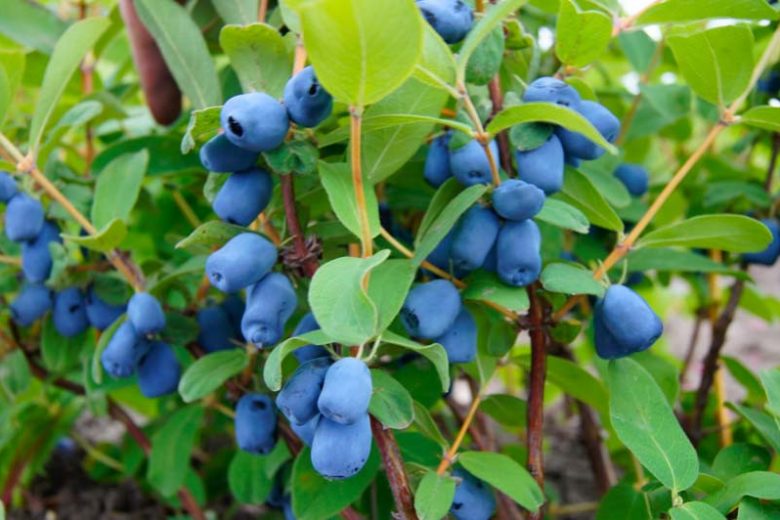
Tundra Honeyberry is a hardy, productive, early-season berry plant that deserves a place in every edible landscape, homestead, and berry garden. Also known as Haskap, honeyberries produce beautiful deep-blue fruit that ripens very early in the season, often before blueberries. The flavor is sweet-tart and rich, with hints of blueberry, raspberry, and grape, making it excellent for fresh eating, jams, syrups, pies, smoothies, freezing, baking, and homemade preserves.
Tundra is a well-known variety from the University of Saskatchewan breeding program. It is especially valued for its firm berries, good flavor, and usefulness for both fresh eating and processing. The berries are less fragile than some softer honeyberry types, making Tundra a great choice for growers who want a dependable berry that holds up well after harvest.
Tundra grows as a compact to medium-sized fruiting shrub, usually reaching around 4–6 feet tall with good care. It is very cold hardy, dependable, and easy to grow once established. Honeyberries prefer full sun to part shade and do best in fertile, well-drained soil that stays evenly moist. In hot summer areas, a little afternoon shade and a good mulch layer can help keep the roots cooler and the plant happier.
Tundra needs another compatible honeyberry variety nearby for best fruit production. Honeyberries are not usually self-fruitful enough to produce heavy crops alone. For best results, plant Tundra with another variety that blooms at the same time, such as Aurora, Honey Bee, Borealis, or Indigo Gem. Planting more than one variety greatly improves pollination, fruit set, and overall harvest.
Shipped Bare Root
This plant is shipped bare root, meaning it will arrive dormant without soil around the roots. This is normal and is one of the best ways to ship hardy fruiting plants safely. When your plant arrives, open the package right away and check the roots. The roots should be kept moist, not dried out.
Bare-root plants may look asleep when they arrive, and that is okay. Dormant plants often ship with no leaves, small buds, or bare stems. The important thing is keeping the roots moist and getting the plant planted correctly.
What To Do When Your Plant Arrives
As soon as your Tundra Honeyberry arrives, remove it from the shipping package and inspect the roots. If the roots feel dry, lightly mist them or wrap them in damp paper towels until you are ready to plant.
Before planting, soak the roots in clean water for 8–24 hours. This helps rehydrate the plant after shipping. Do not soak the plant for several days, because roots still need oxygen and can be damaged if left underwater too long.
If you cannot plant immediately, keep the roots wrapped in damp material and store the plant in a cool, shaded location. Do not leave bare roots exposed to direct sun, wind, heat, or freezing conditions.
How To Plant Tundra Honeyberry
Choose a planting location with full sun to part shade. Full sun usually gives the best fruit production, but in warmer climates, some afternoon shade can help reduce heat stress.
Dig a hole wide enough for the roots to spread out naturally. Do not force the roots into a tight hole or bend them sharply. Place the plant so the crown sits at about the same level it was growing before. Backfill with loose soil, gently firming the soil around the roots to remove air pockets.
Water deeply after planting. This helps settle the soil around the roots and gives the plant a strong start. Add mulch around the base of the plant to hold moisture, protect the roots, and reduce weeds. Keep mulch a few inches away from the main stem so the crown does not stay too wet.
For berry rows or small hedges, space honeyberries about 4–6 feet apart. This gives each plant room to grow while still allowing pollinators to move easily between varieties.
Soil and Water Needs
Tundra Honeyberry grows best in well-drained, fertile soil with steady moisture. Honeyberries do not like extremely dry soil, especially while they are establishing or while fruit is forming.
Water deeply after planting and keep the soil evenly moist through the first growing season. A good mulch layer is highly recommended, especially in areas with hot summers. Mulch helps keep the shallow root system cool and protected.
Avoid heavy fertilizer at planting time. A small amount of compost or gentle organic fertilizer is usually enough. Too much fertilizer can burn young roots or push weak growth before the plant is fully established.
Pruning and Long-Term Care
Tundra Honeyberry does not need heavy pruning when young. For the first few years, let the plant focus on building strong roots and healthy growth. Remove only broken, damaged, weak, or dead branches.
Once the plant is mature, you can thin out some of the oldest wood to improve airflow, sunlight, and fruit production. Good airflow helps keep the plant healthy and makes harvesting easier.
Harvesting Tundra Honeyberries
Honeyberries often turn blue before they are fully ripe, so do not harvest too early. Let the berries hang a little longer after they turn deep blue so the flavor can fully develop. Fully ripe berries should come off the plant easily and have a rich sweet-tart taste.
Tundra is known for firmer fruit, which makes it useful for fresh eating, freezing, preserves, and processing. The berries can be used anywhere you would use blueberries, but they bring their own unique flavor and early-season harvest.
Why Grow Tundra Honeyberry?
Tundra Honeyberry is a strong choice for anyone wanting a hardy, productive, early-fruiting berry bush. It is beautiful, useful, dependable, and easy to work into a homestead, food forest, berry patch, or backyard garden. With proper planting, steady moisture, mulch, and a good pollination partner nearby, Tundra can become a long-lasting fruiting shrub that blesses your garden year after year.
Bare-root Tundra Honeyberry plants are shipped dormant and ready for planting. For best fruit production, plant with another compatible honeyberry variety nearby.
Share