Yahuah's Farm
Wax Myrtle
Wax Myrtle
Couldn't load pickup availability
Wax Myrtle
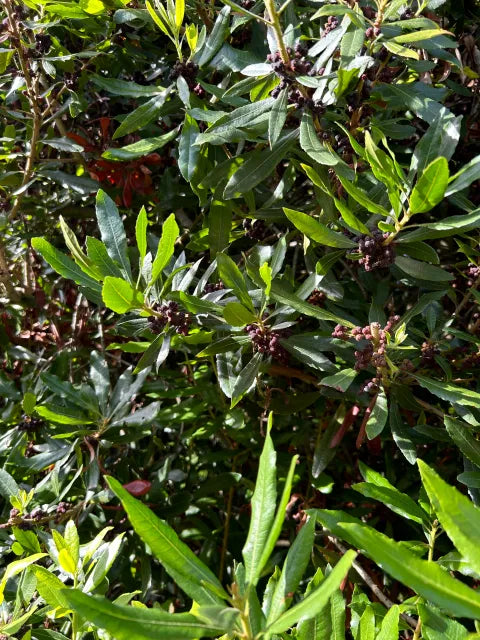
Wax Myrtle, also known as Southern Wax Myrtle or Southern Bayberry, is a beautiful, useful, fast-growing native shrub or small tree known for its aromatic evergreen foliage, wildlife value, and hardy landscape uses. Its botanical name is Morella cerifera, though older references may still list it as Myrica cerifera.
This plant is native to the southeastern United States and its natural range reaches into central Arkansas, so yes — Wax Myrtle is considered native into Arkansas, especially in the southern and central part of the state.
Wax Myrtle is one of those plants that brings beauty, usefulness, and toughness all together. It can be grown as a large shrub, privacy hedge, windbreak, wildlife planting, or small ornamental tree. The foliage is narrow, fragrant, and evergreen to semi-evergreen depending on winter temperatures. When crushed, the leaves release a strong herbal, resinous scent that many people love.
This plant is also known for its small waxy berries, which have historically been used to make bayberry-style wax for candles and soaps. The berries are also valuable to wildlife, especially birds. In the garden, Wax Myrtle is appreciated for its ability to handle poor soils, wet areas, sandy soils, wind, and heat. It is also known as a nitrogen-fixing plant, meaning it can work with soil microbes to help improve poor ground over time.
Plant Details
Botanical Name: Morella cerifera
Older Botanical Name: Myrica cerifera
Common Names: Wax Myrtle, Southern Wax Myrtle, Southern Bayberry, Bayberry
Plant Type: Native evergreen to semi-evergreen shrub or small tree
Mature Height: Commonly 10–20 feet, sometimes taller in ideal conditions
Mature Width: 8–15 feet depending on pruning and growing conditions
Sun: Full sun to part shade
Soil: Adaptable; handles sandy, poor, moist, or well-drained soils
Water Needs: Moderate at planting; more drought tolerant once established
Growth Rate: Fast-growing once established
Hardiness: Best suited for warmer temperate regions, especially Zones 7–10
Wildlife Value: Excellent for birds, cover, nesting, and natural habitat
Ships As: Bare root / dry root plant
Why Grow Wax Myrtle?
Wax Myrtle is a strong homestead and landscape plant because it can serve many purposes at once. It makes a great privacy screen, living fence, windbreak, or native wildlife hedge. It can also be limbed up and shaped into a small tree for an ornamental look.
The leaves are aromatic and have long been appreciated for their fresh, herbal scent. The berries have a waxy coating that was historically boiled down and used in traditional candle making. This is where the “wax” in Wax Myrtle comes from.
Wax Myrtle is also a valuable wildlife plant. Birds feed on the berries, and the dense branching gives cover and shelter. It can be used in native plantings, food forests, wildlife strips, pollinator areas, pond edges, and naturalized borders.
Garden & Homestead Uses
Wax Myrtle can be used for:
Privacy hedges
Windbreaks
Living fences
Native plant gardens
Wildlife habitat
Bird-friendly plantings
Rain garden edges
Pond and wet-area plantings
Natural borders
Erosion control
Food forest support planting
Small ornamental tree form
Aromatic landscape plantings
Traditional bayberry-style wax use from berries
This is a great plant for people wanting something useful, native, and tough. It gives structure to the garden, feeds wildlife, smells wonderful, and can grow where many more delicate plants struggle.
How Your Wax Myrtle Will Be Shipped
This Wax Myrtle is shipped bare root / dry root, meaning it will arrive without a pot and without heavy soil around the roots. This makes shipping easier, lighter, and safer for the plant.
Because it is shipped bare root, the plant may look different from a potted nursery plant when it arrives. It may have trimmed tops, fewer leaves, wilted leaves, or it may appear partly dormant depending on the season and shipping time. This is normal. The most important part is the root system.
Bare root plants need a little patience after planting. They often spend their first few weeks settling in underground before pushing strong new top growth.
What To Do When It Arrives
Open your package as soon as possible. Do not leave the plant sitting in a hot mailbox, porch, vehicle, or sealed package.
Check the roots. If they feel dry, soak the roots in room-temperature water for about 30 minutes to 1 hour before planting. Do not soak for days, as that can damage the roots.
If you cannot plant immediately, keep the roots lightly moist and place the plant in a cool, shaded area until you can plant. Do not let the roots dry out, and do not leave the plant in direct sun before planting.
How To Plant Bare Root Wax Myrtle
Choose a location with full sun to part shade. Wax Myrtle will grow in part shade, but it becomes fuller and denser with more sunlight.
Dig a hole wide enough to spread the roots naturally. Loosen the soil around the planting area so the roots can begin moving outward. Place the plant so the root crown sits at or just slightly above soil level. Do not bury the crown too deep.
Backfill the hole with soil and gently firm it around the roots. Water deeply after planting to settle the soil around the root system.
Add mulch around the base to help hold moisture, but keep mulch a few inches away from the trunk or crown so it does not stay too wet against the stem.
First-Year Care
For the first few weeks, keep the soil evenly moist while the plant establishes. Do not let the roots completely dry out during this settling-in period.
After planting, protect the plant from extreme stress. If it arrives with tender leaves or new growth, give it a few days of protection from harsh afternoon sun and strong wind before letting it fully adjust.
Once established, Wax Myrtle is much tougher. It can handle heat, humidity, wet areas, and periods of dry weather better than many landscape plants. It can also be pruned and shaped as needed.
Pruning & Maintenance
Wax Myrtle can be allowed to grow naturally as a large shrub, or it can be trimmed into a hedge. It can also be limbed up into a small tree shape.
If using it as a privacy hedge, plant several in a row and prune lightly to encourage bushier growth. If growing it as a tree, remove lower limbs gradually as it matures.
Avoid heavy root disturbance once planted. Wax Myrtle can sucker from the roots, especially if the root zone is damaged or disturbed.
Important Shipping Note
Because this plant is shipped bare root, some temporary stress is normal. Leaves may wilt, yellow, drop, or be trimmed before shipping. That does not mean the plant is dead.
Plant it promptly, water it well, protect it from harsh stress at first, and give it time. Bare root trees and shrubs often need time to wake up and rebuild before they look beautiful above ground.
Wax Myrtle is a strong native shrub and small tree with beauty, fragrance, wildlife value, and real homestead usefulness. Whether you want a privacy hedge, native wildlife planting, windbreak, bird-friendly border, or aromatic evergreen shrub, Wax Myrtle is a dependable choice that brings long-term value to the landscape. This plant ships bare root and should be planted promptly after arrival for best success.
Share