Yahuah's Farm
Wild Geranium
Wild Geranium
Couldn't load pickup availability
Wild Geranium
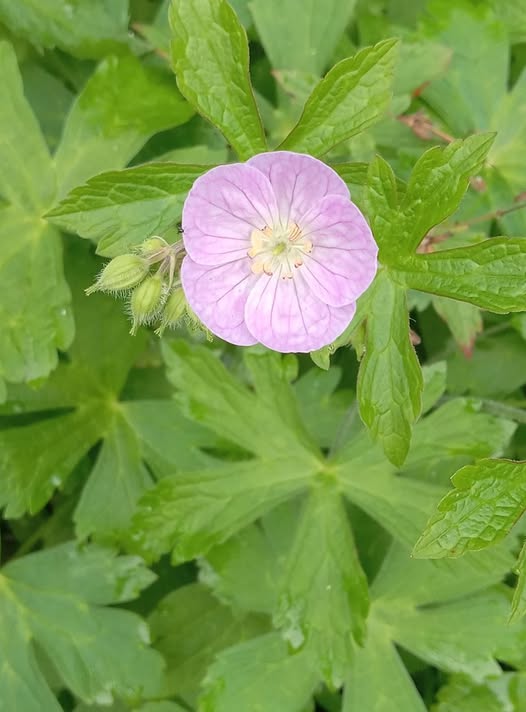
Wild Geranium is a beautiful woodland perennial known for its soft green leaves, delicate flowers, and long history of traditional herbal use. This is not the same as the common bright bedding geraniums sold as annual flowers. True Wild Geranium is a hardy perennial plant that returns year after year when planted in the right conditions.
Wild Geranium is valued as both a native-style woodland plant and a traditional medicinal herb. It grows well in shade to part shade and fits beautifully in woodland gardens, medicinal gardens, native plant areas, shaded borders, food forest edges, and homestead apothecary plantings. Once established, it can slowly form a lovely patch and bring both beauty and usefulness to the garden.
This plant is especially loved for its gentle spring flowers, attractive foliage, pollinator value, and traditional use as an astringent herb. It is a wonderful choice for growers who want plants that are not only pretty, but also carry practical homestead value.
Traditional and Homestead Uses
Wild Geranium has traditionally been valued for its astringent qualities. Astringent herbs are often used externally to help tone, tighten, dry, and support tissues. Because of this, Wild Geranium has a long history of use in traditional herbal preparations for skin, mouth, gum, throat, and digestive support.
The root is the strongest part traditionally used, though the leaves have also been used in some preparations. Wild Geranium has historically been used in teas, washes, gargles, powders, poultices, and other herbal preparations. It has been especially valued in traditional herbalism for its tannin-rich roots.
Wild Geranium is not usually grown as a food plant. It is mainly grown as a medicinal woodland herb, pollinator plant, native garden plant, and long-term perennial for shaded areas.
Medicinal and Traditional Uses
Wild Geranium has traditionally been used to support:
Mouth and gum health
Throat comfort
Skin washes
Minor skin irritation
Digestive balance
Loose stool support
Tissue toning
Astringent herbal preparations
Gargles and mouth rinses
Poultices and external washes
Traditional apothecary use
Wild Geranium should be used with wisdom, especially internally. Like many strong astringent herbs, it is not meant to be used casually in large amounts for long periods.
How Your Plant Will Arrive
Your Wild Geranium may be shipped as a live plant, bare-root plant, or dry-root plant depending on the season and shipping method. After traveling through the mail, it may look tired, wilted, trimmed back, small, or dormant. This is normal for shipped plants.
If it arrives as a bare-root or dry-root plant, it may not look like a full green potted plant. Even if it looks like only a root or small crown, it is alive and needs to be planted. The life of the plant is in the root and crown, and with proper care it can recover and begin growing.
When your plant arrives, open the package right away. If the roots feel dry, soak only the roots in clean water for about 1 to 2 hours before planting. Do not soak the whole plant for days. The goal is only to rehydrate the roots before planting.
Until planted, keep the roots moist, cool, and shaded. Do not leave Wild Geranium sitting in direct sun, strong wind, or heat. Woodland plants can dry out quickly if left exposed.
If you cannot plant the same day, keep the roots wrapped in slightly damp paper towel, damp peat, or damp soil and place the plant somewhere cool and shaded for a short time. Plant as soon as possible for the best chance of success.
First Care After Shipping
After planting, keep your Wild Geranium protected from harsh direct sun for the first few days. Shade, bright indirect light, or gentle morning sun is best while the plant recovers from shipping.
Do not place a newly shipped Wild Geranium straight into hot afternoon sun. It needs time to settle into its new home and begin recovering through the roots.
Keep the soil evenly moist while the plant establishes, but do not keep it soggy. Wild Geranium likes woodland moisture, but it does not like standing water or heavy wet soil.
Do not fertilize heavily right away. Let the roots settle first. Once new growth appears, compost, leaf mold, or a gentle natural fertilizer can be used if needed.
If the leaves wilt or die back after shipping, do not panic. Trim off damaged growth and continue caring for the roots. The plant can regrow from the crown when conditions are right.
Planting Instructions
Plant Wild Geranium in shade to part shade. Morning sun with afternoon shade works well, especially in hot climates. It can handle more sun in cooler areas if the soil stays moist, but in Arkansas and other hot-summer areas, protection from harsh afternoon sun is best.
Wild Geranium prefers rich, loose, well-draining soil with plenty of organic matter. Think woodland soil — soft, leafy, moist, and full of natural compost. Leaf mold, aged wood chips, compost, and natural mulch can help create the right growing conditions.
Dig a hole wide enough for the roots to spread naturally. Place the plant at the same depth it was previously growing, then gently backfill with soil. Water well after planting.
Mulch lightly around the plant with leaves, aged wood chips, or natural mulch to help hold moisture and keep the soil cool. Do not pile mulch tightly against the crown.
Long-Term Care
Wild Geranium is a hardy perennial once established. It grows best in shade to part shade, rich soil, steady moisture, and a woodland-style environment.
Water during dry spells, especially during the first year. Once established, it becomes easier to care for, but it should not be allowed to dry out for long periods during heat.
Keep the planting area mulched with leaves or aged wood chips to mimic the forest floor. This helps protect the roots, conserve moisture, and slowly feed the soil.
Wild Geranium can slowly spread and form a patch over time, but it is not usually an aggressive plant. It may self-seed lightly in good conditions. If you want it to spread, allow some flowers to go to seed. If you want to keep it tighter, trim seed heads after flowering.
Cold Hardiness
Wild Geranium is a cold-hardy perennial and is well suited for many temperate climates. It should grow well in Zone 7 when planted in shade or part shade with good soil and steady moisture.
In winter, the top growth may die back to the ground. This is normal. The roots remain alive underground, and the plant returns in spring.
A layer of leaf mulch can help protect young plants during their first winter and improve the soil over time.
Harvesting
Wild Geranium root is traditionally the strongest medicinal part, but roots should only be harvested from mature, well-established plants. Do not harvest roots from young plants. Allow the plant to grow and multiply before considering root harvest.
Leaves may be harvested lightly from established plants during the growing season for traditional use. Always harvest responsibly so the plant remains strong.
For drying, harvest healthy plant material and dry in a warm, shaded area with good airflow. Once fully dry, store in an airtight container away from heat, moisture, and direct sunlight.
Best Uses
Wild Geranium is excellent for woodland gardens, medicinal gardens, native plant gardens, shade gardens, food forest edges, pollinator areas, and homestead apothecary plantings. It brings beauty, pollinator value, and traditional herbal usefulness to shaded spaces.
This is a great plant for anyone wanting hardy perennial medicinals that can return year after year and fit naturally into a woodland-style garden.
Care Summary
Plant in shade to part shade. Protect from harsh direct sun for the first few days after shipping. Use rich, loose, well-draining woodland-style soil with plenty of organic matter. Keep evenly moist while establishing, but do not overwater. Remember, even if it arrives looking like only a root or small crown, it is alive and needs to be planted. Wild Geranium is a hardy perennial that returns year after year and is best grown in a cool, shaded, mulched area.
Share