Yahuah's Farm
Zaatar (Syrian Oregano)
Zaatar (Syrian Oregano)
Couldn't load pickup availability
🌿 Zaatar (Syrian Oregano) — Organic Seeds
Botanical Name: Origanum syriacum
Common Names: Biblical Hyssop (traditional name), Syrian Oregano, Za’atar Herb
🌱 Seed Quality Promise
All seeds sold by Yahuah’s Farm are 100% organic, non-GMO, and never chemically treated or coated.
We do not sell pelleted, dyed, chemically enhanced, or synthetic-treated seeds.
What you plant should be as pure as the medicine it becomes.
About Zaatar
Zaatar is a sacred and ancient Mediterranean herb treasured for its rich aroma, earthy flavor, and deep cultural and historical roots. Traditionally associated with Middle Eastern cuisine and ancient herbal practices, Zaatar has been cultivated for thousands of years as both a food and medicinal plant.
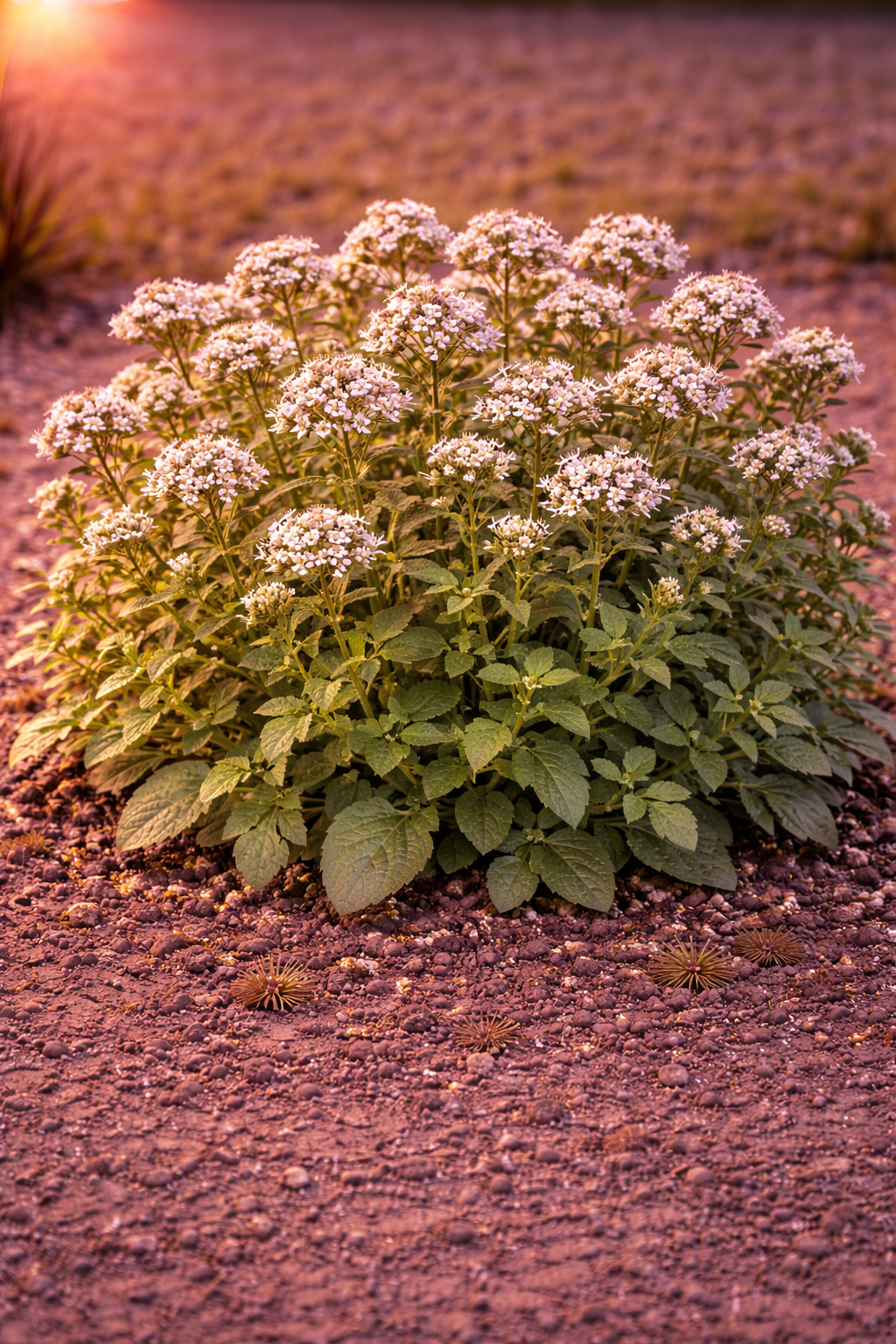
This perennial herb forms compact, woody clumps with small, soft green leaves and delicate white to pale lavender flowers. It thrives in dry, sunny conditions and becomes more aromatic with age.
Zaatar is not just a seasoning — it is a heritage plant, deeply rooted in tradition, nourishment, and healing.
Traditional & Herbal Uses
Zaatar has been traditionally used as:
• A classic digestive-supporting herb
• A traditional respiratory-supporting plant
• A warming botanical
• A tonic herb
• A traditional tea plant
• A culinary-medicinal staple
• A grounding herb
• A foundational Mediterranean plant
The leaves and flowering tops are the primary traditionally used parts.
Plant Characteristics
Botanical Name: Origanum syriacum
Life Cycle: Perennial
Growth Habit: Low-growing, woody, clumping
Mature Height: 12–24 inches
Mature Width: 18–24 inches
Flower Color: White to pale lavender
Bloom Time: Late spring through summer
Foliage: Soft green, oval, aromatic
Stem Type: Woody
Aroma: Warm, herbal, thyme-like
Attracts: Bees, butterflies, beneficial insects
Zaatar becomes more aromatic in dry, sunny conditions.
Growing Zaatar from Seed
Zaatar grows best in warm, dry, well-drained conditions and is very similar to oregano and thyme in its care needs.
How to Germinate Zaatar Seeds
Surface Sowing Recommended
Zaatar seeds need light to germinate.
-
Scatter seeds on the soil surface.
-
Press gently into soil.
-
Do NOT cover.
-
Mist lightly to keep soil moist.
Germination Time
• 10–20 days
• Slow and steady
Ideal Growing Conditions
USDA Zones
Zones 6–10
(Can be grown in containers and overwintered in colder zones)
Sun
• Full sun required
• 6–8+ hours daily
Soil
• Very well-draining
• Sandy or rocky preferred
• Low fertility ideal
Zaatar does not tolerate wet soil.
Water
• Low
• Drought tolerant once established
Spacing
• Space plants 12–18 inches apart
• Forms dense, aromatic mounds
Growth Timeline
Weeks 2–3:
• Germination
Weeks 4–8:
• Leaf development
Year 1:
• Establishment
Year 2+:
• Full size
• Heavy harvests
Harvesting
Leaves & Flowering Tops
Harvest just before flowering for strongest aroma.
• Use fresh or dry
• Harvest often to encourage bushiness
Dry in a shaded, well-ventilated space.
Seed Saving
Zaatar will flower and set seed.
-
Allow flower heads to fully dry.
-
Collect seed heads.
-
Gently crumble.
-
Store cool, dark, and dry.
Why Grow Zaatar?
• Ancient heritage herb
• Long-lived perennial
• Extremely aromatic
• Drought tolerant
• Culinary + medicinal
• Pollinator friendly
• Low maintenance
• Mediterranean staple
• Survival-friendly
Share