Yahuah's Farm
Arnica Montana
Arnica Montana
Couldn't load pickup availability
🌼 Arnica (Arnica montana) — Organic Seeds
Common Name: Mountain Arnica
🌱 Seed Quality Promise
All seeds sold by Yahuah’s Farm are 100% organic, non-GMO, and never chemically treated or coated.
We do not sell pelleted, dyed, chemically enhanced, or synthetic-treated seeds.
What you plant should be as pure as the medicine it becomes.
About Arnica
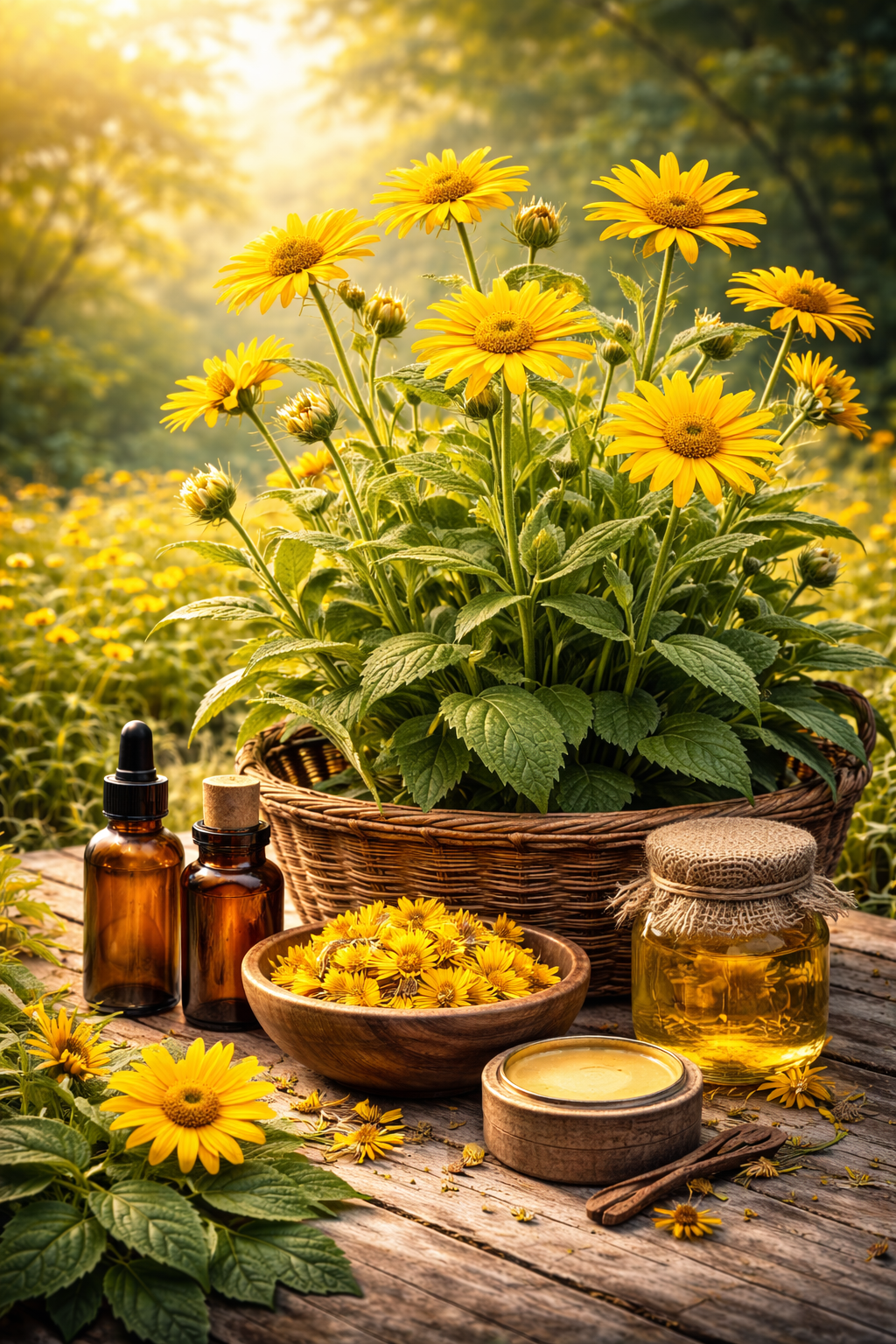
Arnica is a low-growing, alpine perennial famous for its bright golden daisy-like flowers and its long history of traditional use in herbalism. Native to the mountains of Europe, Arnica has been cultivated for centuries as a garden medicinal, valued for its resilience, beauty, and presence in traditional healing gardens.
This is a true mountain plant, preferring cooler climates, clean soil, and gentle conditions. When grown well, it forms attractive clumps and produces glowing yellow blooms that stand out beautifully in any herb bed or cottage garden.
Traditional & Herbal Uses
Arnica has been traditionally used as:
• A classic external herbal remedy
• A flower-based topical herb
• A traditional muscle and joint plant
• A bruising and trauma herb
• A circulatory-supporting plant
• A folk first-aid garden herb
• A warming botanical
• A traditional salve and oil infusion herb
Historically, Arnica flowers have been infused into oils, salves, and liniments and valued for their vibrant color and aromatic properties.
Plant Characteristics
Botanical Name: Arnica montana
Common Name: Arnica, Mountain Arnica
Life Cycle: Perennial
Growth Habit: Low-growing, clumping
Mature Height: 8–18 inches
Mature Width: 8–12 inches
Flower Color: Golden yellow
Bloom Time: Late spring to early summer
Attracts: Bees, butterflies, beneficial insects
Arnica is compact, tidy, and bright — a wonderful addition to medicinal, alpine, or wildflower gardens.
Growing Arnica from Seed
Arnica seeds require specific conditions to germinate well. They are naturally adapted to mountain environments, which means cool temperatures and cold stratification are important.
How to Germinate Arnica Seeds
Germination Type
Arnica seeds require cold stratification to break dormancy.
Method 1: Outdoor Stratification (Recommended)
-
Sow seeds outdoors in fall or early winter.
-
Press seeds gently into the soil — do not bury deeply.
-
Allow winter temperatures to naturally stratify the seeds.
-
Germination occurs in spring.
Method 2: Indoor Stratification
-
Place seeds in a lightly moist medium (sand or soil).
-
Refrigerate for 4–6 weeks.
-
After chilling, surface sow into seed trays.
-
Keep cool and consistently moist.
Light Requirements
Arnica seeds need light to germinate.
Do not bury.
Germination Time
• 14–30 days
• May be staggered
Ideal Growing Conditions
USDA Zones
Zones 3–7
Arnica prefers cool summers and does not thrive in extreme heat.
Sun
• Full sun to partial shade
• Prefers cooler light conditions
• Afternoon shade beneficial in warmer climates
Soil
• Well-draining
• Sandy or loamy
• Low to moderate fertility
• Slightly acidic
Avoid rich, heavy, or overly fertilized soil.
Water
• Moderate moisture
• Do not allow soil to dry completely
• Avoid waterlogging
Arnica likes evenly moist soil but hates soggy roots.
Spacing
• Space plants 8–12 inches apart
• Forms tidy clumps
Growth Timeline
First Year:
• Leaf rosette development
• Root establishment
Second Year and Beyond:
• Flowering begins
• Full clump formation
• Maximum bloom production
Harvesting
Flowers
Harvest when fully open and vibrant.
Leaves
Less commonly used but can be harvested gently.
Dry flowers quickly in a well-ventilated, shaded space.
Seed Saving
-
Allow flowers to fully mature and dry on the plant.
-
Collect seed heads when brown and dry.
-
Gently crumble and separate seeds.
-
Store cool, dark, and dry.
Why Grow Arnica?
• A legendary medicinal garden herb
• Compact and easy to manage
• Stunning golden blooms
• Cold hardy
• Pollinator friendly
• Traditional alpine plant
• Beautiful in wild gardens
• Perfect for salve-making gardens
Share