Yahuah's Farm
Ashwagandha (Vedic)
Ashwagandha (Vedic)
Couldn't load pickup availability
🌿 Ashwagandha (Withania somnifera) — Vedic Ecotype — Organic Seeds
Common Names: Ashwagandha, Winter Cherry, Indian Ginseng
🌱 Seed Quality Promise
All seeds sold by Yahuah’s Farm are 100% organic, non-GMO, and never chemically treated or coated.
We do not sell pelleted, dyed, chemically enhanced, or synthetic-treated seeds.
What you plant should be as pure as the medicine it becomes.
About Ashwagandha (Vedic Ecotype)
Ashwagandha is one of the most revered medicinal root plants in traditional herbal systems, known for its deep grounding nature and its long history of use as a strengthening and balancing herb. The Vedic ecotype represents the traditional form grown and used for centuries, prized for its classic growth habit, aromatic roots, and consistent medicinal quality.
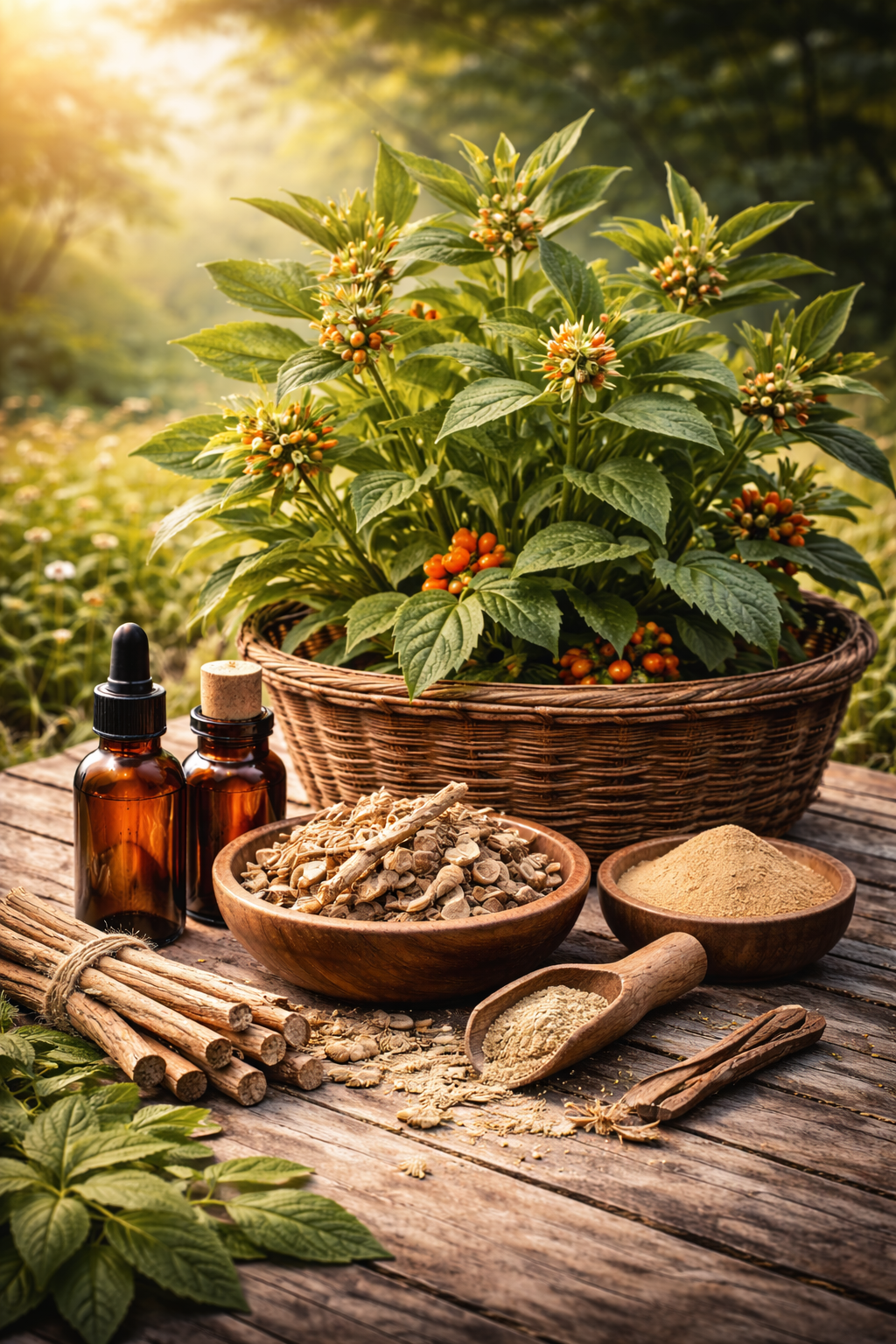
This is a true root medicine plant — quietly building its power underground while producing soft green foliage, delicate yellow-green flowers, and bright red berries enclosed in papery husks.
Traditional & Herbal Uses
Ashwagandha has been traditionally used as:
• A grounding root tonic
• A strengthening botanical
• A traditional vitality plant
• A restorative herb
• A deep nourishing root
• A warming herb
• A longevity-supporting plant
• A foundational wellness herb
The root is the primary medicinal part and is traditionally harvested after full seasonal development.
Plant Characteristics
Botanical Name: Withania somnifera
Common Name: Ashwagandha
Ecotype: Vedic
Life Cycle: Perennial in warm climates; grown as an annual in cooler regions
Growth Habit: Bushy, branching
Mature Height: 18–36 inches
Mature Width: 18–24 inches
Flower Type: Small, greenish-yellow
Fruit: Red berries enclosed in papery husks
Attracts: Pollinators
Ashwagandha blends beautifully into medicinal gardens, food forests, and permaculture beds.
Growing Ashwagandha from Seed
Ashwagandha is a warm-season plant that thrives in heat, sun, and well-draining soil. It is easy to grow once established.
How to Germinate Ashwagandha Seeds
Indoor Starting (Recommended)
-
Start seeds 6–8 weeks before last frost.
-
Lightly press seeds into the soil.
-
Cover with a very thin layer of soil.
-
Keep warm and consistently moist.
-
Place in bright light.
Outdoor Direct Sowing
-
Sow only after danger of frost has passed.
-
Soil should be warm.
-
Keep moist until seedlings establish.
Light Requirements
Seeds germinate best with light exposure.
Do not bury deeply.
Germination Time
• 10–21 days
• Can be staggered
Ideal Growing Conditions
USDA Zones
Zones 7–11 (Perennial in warm climates; annual elsewhere)
Sun
• Full sun
• At least 6–8 hours daily
Soil
• Well-draining
• Sandy or loamy
• Low to moderate fertility
• Neutral to slightly alkaline
Avoid heavy or waterlogged soil.
Water
• Moderate watering
• Drought tolerant once established
• Avoid soggy conditions
Ashwagandha prefers drier soil than most herbs.
Spacing
• Space plants 18–24 inches apart
• Allows room for deep root development
Growth Timeline
Weeks 1–4:
• Seedling establishment
Months 2–4:
• Leafy growth
• Branching
Months 4–6:
• Flowering
• Berry formation
• Root bulking
Harvesting
Roots
Harvest after 120–180 days, once plant matures and berries begin forming.
-
Loosen soil gently.
-
Pull entire plant.
-
Wash roots.
-
Slice and dry thoroughly.
Leaves
May be lightly harvested throughout the season.
Seed Saving
-
Allow berries to fully ripen to red.
-
Harvest and dry.
-
Gently crush berries to release seeds.
-
Store in a cool, dry, dark place.
Why Grow Ashwagandha (Vedic)?
• Traditional ecotype
• Strong root development
• Heat tolerant
• Drought tolerant
• Low-maintenance
• Perfect for medicinal gardens
• Beautiful, subtle growth habit
• Long-storing root
• Excellent homestead plant
Share