Yahuah's Farm
SOAPBERRY TREES
SOAPBERRY TREES
Couldn't load pickup availability
Soapberry Tree (Sapindus drummondii)
Also known as Western Soapberry, this native deciduous tree is a resilient and multifunctional addition to homesteads, wild hedgerows, and ecological landscapes. Reaching 20–40 feet tall and thriving in USDA Zones 6–9, soapberry trees are well-suited for Arkansas’s climate and offer both ornamental value and practical benefits.
Growth Habit & Seasonal Interest
-
Form: Upright to rounded crown with arching limbs and airy foliage; 20–40 feet tall and wide.
-
Foliage: Bright green, compound leaves that turn stunning yellow-gold in autumn.
-
Flowers: Creamy white flower clusters bloom in late spring, attracting bees and butterflies.
-
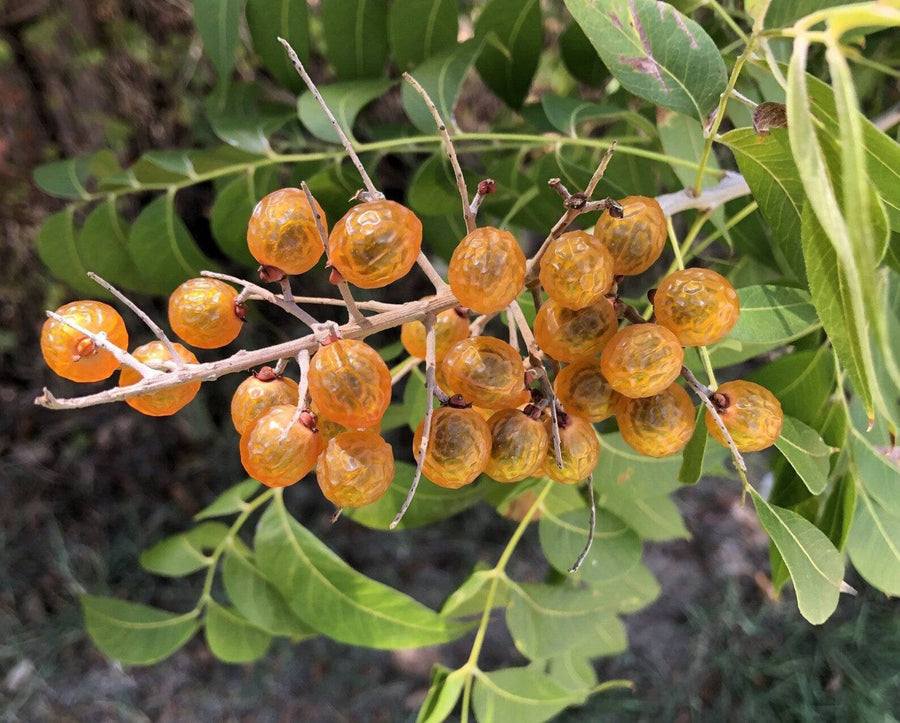
Fruit: Translucent golden-yellow berries form in summer and persist into winter, each encasing a hard black seed.
Site Preferences
-
Light: Full sun is best, but tolerates partial shade.
-
Soil: Adapts to a wide range of soils including sandy, rocky, or clay; prefers well-drained conditions.
-
Moisture: Drought-tolerant once established; excellent choice for dry or marginal soils.
Pests & Diseases (Organic Management)
-
Extremely resistant to pests and disease. Minimal intervention needed.
-
Occasional leaf spot may appear in humid seasons; prune to improve air flow and apply compost tea if needed.
Benefits in the Garden
-
Drought Resilience: Thrives in dry, rocky, or poor soils where other trees struggle.
-
Pollinator Support: Late-spring blooms feed bees and beneficial insects.
-
Low Maintenance: No regular pruning, fertilizing, or spraying required.
-
Wildlife Value: Dense branches provide shelter for birds; fruit is eaten by some wildlife but avoided by livestock.
-
Seasonal Interest: Offers shade in summer, glowing golden foliage in fall, and decorative fruit into winter.
What It’s Capable Of
-
Natural Soap Source: The berries contain natural saponins—a foaming agent. When crushed and agitated in water, they create a mild, biodegradable soap useful for washing clothes, dishes, hair, and skin.
-
Insect Repellent: Crushed berries and leaves were historically used to repel insects, especially lice and ticks.
-
Ornamental & Shade Tree: With graceful limbs and golden fall foliage, it functions beautifully as a shade tree in native or low-water landscapes.
How to Grow Soapberry Trees
-
Soil Prep: No special amendments needed. For poor soils, top-dress with aged compost to establish young trees.
-
Planting: Plant bare-root or container-grown trees in fall or early spring. Ensure root flare is just above soil level.
-
Watering: Deep water once a week during the first growing season. After establishment, water only during extended droughts.
-
Mulching: Apply 2–3 inches of organic mulch (leaf mold, bark, or straw) around the base to retain moisture and suppress weeds. Keep mulch away from the trunk.
-
Pruning: Minimal—remove damaged or crossing limbs in winter to shape if needed.
-
Propagation: Grown from seed after cold stratification. Seeds are slow to germinate but viable for several years.
Soapberry trees are a perfect blend of beauty and utility. With no need for chemicals or coddling, they thrive naturally—offering shade, pollinator habitat, and a sustainable source of all-natural soap right from your backyard.
Share